How Piston Pump Manufacturers Support Industrial Applications
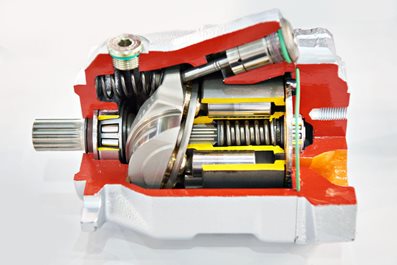
Piston pumps play an important role in industrial fluid-handling systems where pressure, accuracy, and consistent performance are essential. Their ability to handle demanding operating conditions makes them suitable for a wide range of processes across manufacturing and other industrial sectors.
A reliable piston pump manufacturer can support these applications by providing suitable equipment, technical guidance, replacement components, and application-specific solutions. The right combination of product design and engineering support can help businesses maintain efficient and dependable pumping operations.
Meeting Different Industrial Requirements
Industrial processes rarely have identical pumping requirements. Flow rates, pressure levels, fluid properties, temperatures, and operating cycles can vary significantly from one application to another.
Manufacturers therefore develop piston pumps in different configurations and capacities. This allows users to select equipment that matches their process conditions rather than relying on a single standard design.
Supporting High-Pressure Operations
One of the main advantages of piston pumps is their ability to generate high discharge pressure. This makes them useful in applications where fluids need to be moved or pressurized under demanding conditions.
Industries may use piston pumps for tasks such as pressure washing, water injection, process fluid transfer, and other high-pressure operations. The pump configuration is selected according to the required pressure, flow, and duty cycle.
Providing Application-Specific Solutions
Standard equipment may not always be suitable for specialized industrial systems. In these situations, manufacturers can help determine whether changes to materials, dimensions, seals, valves, or other components are appropriate.
Application-specific engineering can be particularly valuable when pumps must handle abrasive, corrosive, viscous, or temperature-sensitive fluids. Selecting suitable construction materials can help improve equipment reliability and service life.
Offering Technical Guidance
Choosing a pump involves more than matching a pressure rating or flow specification. Factors such as fluid characteristics, suction conditions, operating temperature, drive arrangements, and installation requirements can influence pump performance.
Technical teams can help users evaluate these factors before selecting equipment. Proper sizing and configuration can reduce the risk of inefficient operation, excessive wear, or unexpected maintenance requirements.
Supporting System Integration
A piston pump typically operates as part of a larger fluid-handling system. Its performance can be affected by connected valves, pipes, filters, pressure-control equipment, and drive systems.
Manufacturers may provide technical information that helps engineers integrate pumps into existing or new installations. Understanding how the pump interacts with surrounding equipment is important for achieving stable system performance.
Helping With Maintenance and Replacement Parts
Regular maintenance is essential for industrial pumps that operate frequently or under high pressure. Wear can occur in components such as seals, valves, pistons, bearings, and other moving parts.
Manufacturers may supply compatible replacement components and maintenance information. Easy access to the correct parts can simplify servicing and help reduce unnecessary equipment downtime.
Quality Control and Testing
Industrial pumps need to perform reliably under their specified operating conditions. Manufacturing quality and testing therefore have a direct effect on equipment dependability.
Quality-control procedures may include dimensional inspections, material checks, assembly inspections, pressure testing, and performance verification. These processes help identify manufacturing issues before equipment is placed into service.
Supporting Different Industries
Piston pumps can serve many industrial sectors because their designs can be adapted to different pressure and fluid-handling requirements.
Common applications include:
- Water and wastewater treatment
- Chemical processing
- Oil and gas operations
- Industrial cleaning
- Manufacturing processes
- Mining and heavy industry
- Reverse osmosis and water injection systems
The specific pump design depends on the process requirements and the characteristics of the fluid being handled.
Improving Long-Term Equipment Management
Manufacturer support can continue after the initial purchase. Documentation, maintenance guidance, troubleshooting assistance, and replacement-part availability can all contribute to better long-term pump management.
For industrial operators, this support can make it easier to plan preventive maintenance and address potential problems before they lead to extended downtime.
Choosing the Right Manufacturer
When comparing suppliers, businesses should consider more than product price. A manufacturer’s technical capabilities, product range, quality procedures, customization options, documentation, and service support can all influence the overall value of a pump system.
It is also useful to evaluate whether the supplier understands the specific demands of the intended application. A manufacturer with relevant engineering experience can provide more practical guidance during equipment selection and system planning.
Conclusion
Piston pump manufacturers support industrial applications through a combination of equipment, engineering knowledge, technical assistance, replacement parts, and quality-control processes. Their role extends beyond producing pumps and can influence how effectively equipment performs throughout its service life.
By considering application requirements, operating conditions, maintenance needs, and available technical support, industrial users can make more informed decisions when selecting pumping equipment. This approach helps create systems that are better suited to reliable and consistent operation.