
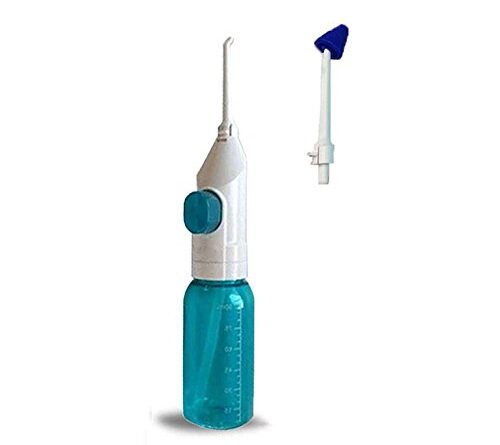
Air Pick for Teeth: Understanding Dental Air Picks, Uses, and Safety Considerations
Dental care involves specialized instruments designed to clean teeth, remove deposits, and support different oral health procedures. Some tools use compressed air or other powered mechanisms to assist dental professionals with specific tasks. However, the term “air pick for teeth” can refer to different types of equipment, so understanding its intended function is important before considering its use in a dental setting.
Unlike conventional dental instruments, industrial pneumatic picks are designed for breaking hard materials rather than treating teeth. Anyone researching an Air Pick For Teeth should distinguish between industrial air-powered tools and dental equipment specifically engineered for oral procedures. Using the wrong instrument on teeth or gums can cause serious injury, making professional guidance essential.
What Is an Air Pick for Teeth?
The phrase “air pick for teeth” is not a standard name for a widely recognized dental instrument. It may be used informally to describe an air-powered dental device, a specialized cleaning instrument, or a pneumatic tool that someone mistakenly assumes is suitable for oral care.
Professional dentistry uses purpose-built equipment for procedures such as removing plaque, cleaning periodontal pockets, preparing teeth, and treating damaged tooth structures. These instruments are designed with specific operating pressures, working tips, sterilization requirements, and safety controls.
An industrial air pick, by contrast, generates repeated mechanical impacts to break concrete, rock, or other hard materials. It is not designed for contact with human teeth, gums, or other oral tissues.
Dental Instruments That Use Air or Powered Mechanisms
Several dental technologies use air, water, vibration, or rotational movement. Although their functions may appear similar at first glance, they serve different clinical purposes.
1. Dental Air Polishers
Air polishing systems combine compressed air, water, and a specially formulated powder to remove certain surface stains and biofilm. Dental professionals use these systems as part of selected preventive and periodontal treatments.
The powder, pressure, nozzle, and application technique must be appropriate for the treatment area. Not every system or powder is suitable for every tooth surface or patient.
2. Ultrasonic Scalers
Ultrasonic scalers use high-frequency vibrations, often combined with water irrigation, to help remove calculus and other deposits from teeth. They are commonly used during professional dental cleanings.
Although these devices may sound similar to pneumatic instruments, their operating mechanisms and clinical applications are different from those of industrial air picks.
3. Dental Handpieces
Dental handpieces are powered instruments used for procedures such as removing decayed tooth material, shaping tooth surfaces, and preparing restorations. Depending on the design, they may operate using compressed air or an electric motor.
These instruments require appropriate training, compatible attachments, infection-control procedures, and careful control of operating conditions.
4. Air-Water Syringes
Dental air-water syringes deliver controlled streams of air, water, or a combination of both. They are commonly used to rinse treatment areas, dry tooth surfaces, and assist with examinations.
They do not function as impact tools and should not be confused with pneumatic picks designed for industrial applications.
Potential Uses of Air-Powered Dental Equipment
Air-powered equipment has an established role in dentistry, but its suitability depends on the device’s specific design and intended clinical use.
Common applications of appropriately designed dental equipment include:
- Removing selected surface stains and biofilm during professional cleaning.
- Drying tooth surfaces during examinations and restorative procedures.
- Supporting cavity preparation with compatible dental handpieces.
- Assisting with certain periodontal treatments under professional supervision.
- Improving access and workflow during specific dental procedures.
These applications should not be interpreted as evidence that a general-purpose air pick is suitable for dental treatment. Each instrument must be used according to its manufacturer’s instructions and accepted clinical protocols.
Safety Considerations When Using Dental Air-Powered Tools
Safety is particularly important because teeth, gums, and oral tissues can be damaged by excessive pressure, inappropriate attachments, heat, vibration, or uncontrolled mechanical force.
Avoid Industrial Tools for Oral Use
Industrial pneumatic picks are engineered for construction and material removal. Their impact mechanisms, operating forces, and tool attachments are unsuitable for direct contact with teeth or gums.
Attempting to remove tartar, loosen a tooth, or repair dental damage with an industrial tool can fracture enamel, injure the gums, damage supporting tissues, or cause other serious complications.
Seek Professional Dental Assessment
Tooth pain, hardened deposits, loose teeth, and damaged restorations can have different underlying causes. A dentist can determine the appropriate treatment after examining the teeth and surrounding tissues.
Home use of improvised pneumatic equipment should never replace a dental examination or professional cleaning.
Follow Infection-Control Requirements
Dental instruments that contact the mouth must meet appropriate cleaning, disinfection, and sterilization requirements according to their intended use. Reusable components must be processed according to validated manufacturer instructions and applicable infection-control standards.
Industrial equipment generally does not meet the design and processing requirements for intraoral use.
Understand Pressure and Tissue Damage Risks
Compressed air can injure delicate tissues if delivered inappropriately. Certain dental procedures also require careful management of air pressure, water flow, and instrument positioning.
Only trained dental professionals should operate clinical equipment in accordance with the device’s instructions and established treatment protocols.
How to Choose Appropriate Dental Equipment
Dental clinics, distributors, and healthcare professionals should assess equipment based on clinical suitability rather than appearance or general descriptions.
Important factors include:
- Intended use: Confirm that the instrument is specifically designed and approved for the relevant dental procedure in the applicable market.
- Technical specifications: Review operating pressure, speed, vibration characteristics, compatible attachments, and other relevant parameters.
- Infection control: Verify cleaning, disinfection, and sterilization requirements for all components that contact patients.
- Manufacturer documentation: Check instructions for use, maintenance procedures, warranty conditions, and the availability of replacement parts.
- Professional training: Ensure that operators have the qualifications and training required to use the equipment safely.
These checks help distinguish appropriate dental instruments from general-purpose tools that may look similar but serve entirely different purposes.
When Should You Visit a Dentist?
Professional assessment is recommended if you experience persistent tooth pain, bleeding gums, sensitivity, loose teeth, visible tooth damage, or significant hardened deposits. These symptoms may require examination and treatment that cannot be safely performed using household tools or industrial equipment.
Facial swelling, fever associated with dental pain, difficulty swallowing, or difficulty breathing can indicate a serious problem. Difficulty breathing or swallowing requires emergency medical attention.
Conclusion
The term “air pick for teeth” can create confusion because it does not identify one specific, standardized dental instrument. While compressed air and powered mechanisms are used in professional dentistry, clinical devices are purpose-built for particular procedures and must meet appropriate safety and infection-control requirements.
Industrial air picks should never be used on teeth or gums. Anyone seeking dental cleaning, tartar removal, or treatment for a damaged tooth should consult a qualified dental professional and use only equipment designed for the intended clinical application. Understanding these distinctions supports safer decisions and helps protect long-term oral health.