
Top Features to Look for in LED Headlights for Nighttime Adventures
Driving at night can be challenging, especially on unfamiliar roads, winding mountain routes, and remote trails with limited lighting. Reliable headlights help drivers identify obstacles, recognize road signs, and respond to changing conditions with greater confidence. Choosing the right lighting system is therefore an important consideration for anyone who regularly travels after dark.
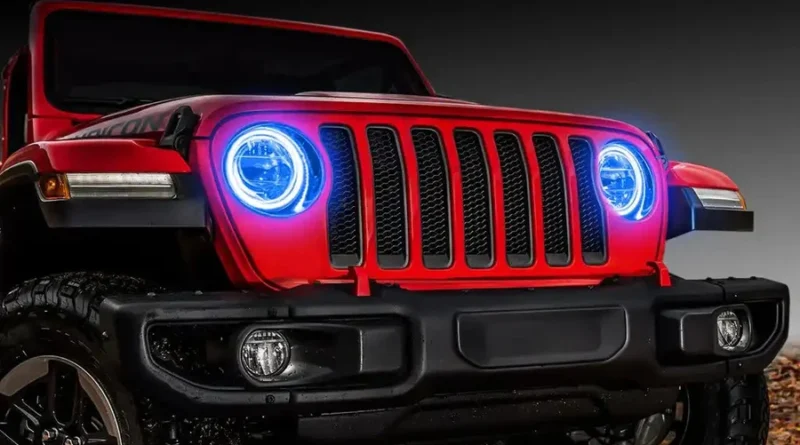
LED headlights have become a popular option because of their energy efficiency, long service life, and versatile designs. For drivers exploring replacement options for their vehicles, researching Jeep Wrangler LED Headlights can help clarify the available configurations and features to consider. Understanding brightness, beam patterns, durability, and compatibility makes it easier to select headlights that suit both everyday driving and nighttime adventures.
Why LED Headlights Are a Popular Choice
LED headlights use light-emitting diodes to produce illumination while generally consuming less electrical power than comparable halogen systems. They also reach their intended brightness almost instantly and can offer a long service life when properly designed and maintained.
Another advantage is design flexibility. LED technology can be incorporated into different headlight assemblies, allowing manufacturers to create lighting systems for a wide range of vehicles and driving applications.
However, not all LED headlights deliver the same results. Their effectiveness depends on the quality of the optics, thermal management, electrical components, and compatibility with the vehicle’s original lighting system.
Essential Features to Look for in LED Headlights
1. Brightness and Effective Light Output
Brightness is often one of the first specifications drivers compare when shopping for LED headlights. Manufacturers commonly express total light output in lumens, but a higher lumen rating does not necessarily mean better visibility on the road.
The distribution of light is equally important. Headlights should illuminate the road surface, nearby obstacles, and roadside areas without creating excessive glare for oncoming traffic.
When evaluating brightness, look for credible performance specifications and information about beam quality. A balanced lighting system can be more useful than one that simply advertises an exceptionally high output.
2. A Well-Defined Beam Pattern
A properly designed beam pattern helps drivers see relevant details without directing unnecessary light into the eyes of other motorists.
Low beams should provide useful illumination close to the vehicle and farther down the road while maintaining an appropriate cutoff. High beams should extend visibility when driving conditions permit their use.
This feature is especially important for vehicles that travel between city streets and dark rural roads. An LED bulb installed in a housing designed for a different light source may produce scattered illumination, even if the bulb itself is powerful.
Choose a compatible system that provides controlled light distribution, and ensure the headlights are correctly aligned after installation.
3. Suitable Color Temperature
Color temperature, measured in kelvins (K), describes whether light appears warmer or cooler. Many automotive LED headlights produce white light within a range of approximately 4,000 K to 6,500 K.
Cooler white light can create a crisp, modern appearance, while warmer white light may feel more comfortable in certain conditions. Nevertheless, color temperature alone does not determine how well a driver can see.
During rain, fog, or snowfall, excessive glare and reflected light can reduce visibility. Prioritize beam control, optical quality, and real-world performance rather than selecting headlights solely because they produce a bluish-white appearance.
4. Reliable Heat Management
Although LED headlights are energy-efficient, their electronic components still generate heat. Managing that heat is essential for maintaining stable output and preventing premature failure.
Depending on the design, LED headlights may use aluminum heat sinks, cooling fans, or other thermal management systems. Each approach has different maintenance and installation considerations.
For nighttime adventures, dependable thermal performance is particularly valuable because headlights may remain switched on for extended periods. Review the product’s cooling design and make sure the installed components have sufficient clearance and airflow.
5. Durability and Weather Resistance
Nighttime driving can involve more than dark roads. Rain, dust, mud, temperature changes, and vibration can all affect lighting equipment, especially on unpaved routes.
Look for robust housings, quality seals, secure mounting points, and clearly documented weather-resistance ratings. These details can help indicate whether a headlight assembly is appropriate for the conditions in which the vehicle will be used.
Drivers who frequently travel off-road should also inspect connectors and mounting hardware periodically. Even durable equipment can develop problems if exposed to repeated impacts or installed incorrectly.
6. Vehicle Compatibility and Easy Installation
Compatibility should be confirmed before purchasing any headlight upgrade. Vehicles may use different bulb sizes, connector types, mounting systems, and electrical configurations depending on their model year and trim.
Check the owner’s manual or manufacturer parts information to identify the correct specifications. Some LED systems may require additional adapters or compatible electronic components to prevent flickering and dashboard warnings.
Also determine whether you need replacement bulbs or complete headlight assemblies. An integrated LED assembly designed around its optics may provide a different performance result from an LED bulb fitted into an existing housing.
7. Energy Efficiency and Service Life
LED headlights generally consume less power than comparable halogen lighting systems, making them an appealing option for drivers who spend substantial time on the road.
Their potential service life can also reduce the frequency of replacements. However, actual longevity depends on component quality, operating temperature, electrical stability, and exposure to environmental conditions.
When comparing products, consider the quality of the entire system rather than relying on a single lifespan estimate. Warranty coverage and access to replacement components can also influence long-term value.
Choosing LED Headlights for Off-Road Adventures
Off-road driving creates specific visibility challenges. Uneven ground, rocks, tree roots, sharp turns, and sudden changes in elevation can be difficult to identify when the surrounding area is poorly illuminated.
In these environments, consider headlights that provide useful forward visibility while maintaining adequate coverage near the vehicle. A balanced beam helps drivers assess immediate obstacles without losing sight of the trail farther ahead.
Some drivers also use auxiliary lights for specialized off-road applications. Spotlights can provide concentrated forward illumination, while floodlights offer wider coverage over nearby terrain. The appropriate combination depends on the trail, vehicle setup, and intended use.
Auxiliary lighting should be mounted securely and aimed responsibly. Lights intended for off-road use may not be legal for use on public roads, so check the applicable regulations before using them outside private trails.
Comparing LED Headlights With Other Lighting Options
Understanding the alternatives can help you determine whether an LED upgrade is appropriate for your vehicle.
| Feature | LED headlights | Halogen headlights | HID headlights |
|---|---|---|---|
| Energy consumption | Generally low | Generally higher | Varies by system |
| Time to full brightness | Nearly instantaneous | Nearly instantaneous | May require warm-up |
| Potential service life | Often long | Typically shorter | Varies by bulb and system |
| Installation requirements | Depends on compatibility | Often straightforward in original applications | May require ballasts and compatible components |
| Important consideration | Optics and heat management | Replacement frequency | System complexity and compatibility |
LED headlights offer several practical advantages, but they are not automatically the best choice in every situation. A well-designed original halogen or HID system may outperform an incompatible LED conversion.
The most important factor is how effectively the complete lighting system illuminates the road while meeting safety and legal requirements.
Common Mistakes to Avoid When Selecting LED Headlights
Choosing headlights based solely on appearance or advertised brightness can lead to disappointing results. Before making a purchase, avoid these common mistakes:
- Ignoring beam quality: Bright light is not useful if it creates glare or leaves important areas poorly illuminated.
- Overlooking compatibility: Incorrect connectors or bulb sizes can create installation and electrical problems.
- Neglecting heat management: Inadequate cooling may shorten component life.
- Assuming weather resistance: Check documented specifications instead of relying on vague durability claims.
- Skipping alignment: Incorrectly aimed headlights can reduce visibility and distract other road users.
- Ignoring legal requirements: Confirm that the lighting configuration is permitted for the vehicle and intended driving environment.
Taking time to verify these details can help prevent unnecessary expenses and improve the chances of achieving the desired performance.
Tips for Maintaining Headlights During Nighttime Travel
Regular maintenance helps keep headlights operating effectively. Clean the lenses periodically and check for cloudiness, cracks, or moisture inside the assembly. Dirty or deteriorated lenses can reduce the amount of useful light reaching the road.
Inspect wiring, connectors, and mounting points, particularly after off-road trips. Loose hardware or damaged connections can cause intermittent operation and may become more problematic when driving far from populated areas.
Before a long nighttime journey, test both low and high beams and confirm that the lights are correctly aligned. Carrying out these simple checks can help identify issues before they affect visibility on the road.
If the headlights flicker, dim unexpectedly, or produce an irregular beam pattern, investigate the underlying problem instead of assuming that the bulbs need replacement. Professional inspection may be necessary when electrical or alignment issues are difficult to diagnose.
How to Choose the Right Headlights for Your Needs
The ideal LED headlights depend on how you use your vehicle. Daily commuters may prioritize controlled low beams, reliable operation, and long-term value. Drivers who regularly travel on rural highways may place greater emphasis on effective forward visibility and high-beam performance.
For off-road enthusiasts, weather resistance, secure mounting, and dependable illumination over uneven terrain may be particularly important. In every case, confirm compatibility with the vehicle and verify that the lighting system meets applicable regulations.
Compare technical specifications, installation requirements, warranty terms, and credible performance information before making a final decision. This approach helps you evaluate the complete lighting system instead of focusing on a single advertised feature.
Conclusion
The best LED headlights for nighttime adventures combine effective brightness, a controlled beam pattern, reliable heat management, durable construction, and proper vehicle compatibility. These features work together to support visibility in darkness while reducing unnecessary glare for other road users.
By considering your typical driving conditions, checking specifications carefully, and ensuring correct installation and alignment, you can choose a lighting system that meets your needs. Regular maintenance will further help preserve performance and make nighttime journeys more predictable, whether you are navigating familiar roads or exploring remote trails.