
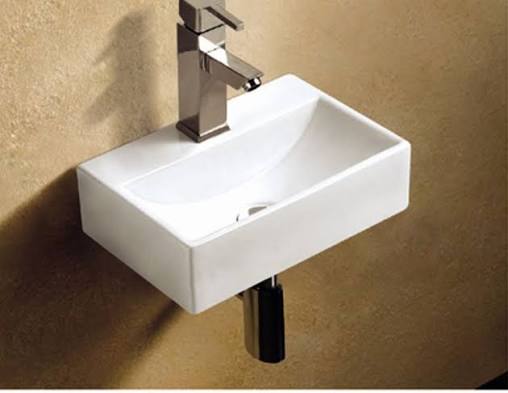
Small Basin for Bathroom: Size, Shape, and Style Considerations
Designing a compact bathroom involves making careful choices about every fixture, and the washbasin is no exception. The right basin should provide enough room for comfortable handwashing while fitting naturally into the available layout. Its dimensions, shape, and style can influence both the practicality and visual appeal of the entire space.
Homeowners should look beyond appearance when comparing different basin designs. Choosing a suitable Small Basin for Bathroom requires evaluating the available installation area, the depth of the bowl, the surrounding fixtures, and the overall interior design. Understanding these factors makes it easier to select a basin that balances comfort, functionality, and aesthetics.
1. Understanding the Importance of Basin Size
Basin size determines how much space the fixture occupies and how comfortably it can be used. In a small bathroom, an oversized basin may restrict movement, while a basin that is too small can make everyday washing inconvenient.
Before purchasing, measure the available width and depth of the installation area. Consider how far the basin will extend from the wall and whether its position will affect access to the toilet, shower, or bathroom door.
The bowl’s internal dimensions are equally important. A compact design should still provide enough usable space to wash hands without excessive splashing.
How to Choose the Right Width
The ideal width depends on the available wall space and the intended use of the basin. A narrow model may work well in a guest toilet, while a slightly wider design can offer greater comfort in a frequently used family bathroom.
Remember to leave sufficient space around the basin for taps, accessories, and comfortable movement. The surrounding fixtures should not make it difficult to approach or use the bowl.
Why Basin Depth Matters
Basin depth includes two considerations: how far the fixture projects into the room and how deep the bowl is internally.
A shallow projection can preserve walkway space, particularly in narrow bathrooms. However, the bowl itself should be deep enough to contain water effectively during normal handwashing.
Comparing these measurements separately helps prevent the common mistake of choosing a basin based only on its external dimensions.
2. Explore Different Basin Shapes
The shape of a basin affects its appearance, usable washing area, and suitability for different layouts. Although several designs can work in compact bathrooms, each offers distinct advantages.
Rectangular Basins
Rectangular basins provide a structured, contemporary appearance that pairs well with straight-edged countertops, geometric tiles, and modern bathroom accessories.
Their relatively straight sides can make efficient use of narrow wall sections. However, check the corner design and bowl dimensions to ensure the basin remains comfortable to use.
Oval and Round Basins
Oval and round basins introduce softer lines into the bathroom. Their curved edges can complement traditional interiors as well as contemporary spaces with rounded mirrors and fixtures.
Depending on the design, a rounded basin may fit comfortably into a compact vanity. Compare the usable bowl area carefully because two basins with similar external dimensions may offer different amounts of washing space.
Corner-Shaped Basins
Corner basins are designed to fit into areas that might otherwise remain unused. They can be especially helpful in small cloakrooms and narrow toilet rooms.
Their angled placement may preserve a longer section of wall for other fixtures or storage. Before selecting one, ensure that the tap remains accessible and that there is enough space to stand comfortably in front of the bowl.
Asymmetrical Basins
Some contemporary basins feature offset bowls or uneven outlines. These designs may provide additional space for soap or other small accessories on one side.
Their suitability depends on the surrounding layout and the location of the tap and drain. Check the manufacturer’s measurements to determine whether the shape genuinely improves functionality in your bathroom.
3. Select a Style That Matches Your Bathroom
A basin should complement the bathroom’s overall design rather than appear disconnected from other fixtures. The right style can help create a coordinated interior without requiring additional decorative elements.
Minimalist Designs
Minimalist basins typically feature clean lines, uncomplicated shapes, and restrained detailing. These characteristics can help a small bathroom feel organized and visually uncluttered.
They work particularly well with simple taps, frameless mirrors, and neutral wall finishes. Their straightforward design may also make routine cleaning easier, depending on the basin’s surface and shape.
Traditional Designs
Traditional basins often feature curved profiles, pedestal supports, or decorative details. They can suit classic bathrooms with patterned tiles, traditional taps, and warm interior finishes.
For compact rooms, look for a smaller version of the desired style. This preserves the intended appearance without allowing the basin to dominate the available space.
Contemporary Designs
Contemporary basins may combine geometric shapes, distinctive finishes, and innovative mounting arrangements. Wall-mounted and countertop models are common options for homeowners seeking a modern appearance.
When choosing a contemporary design, prioritize practical details alongside aesthetics. The basin should accommodate compatible fittings, provide adequate washing space, and suit the existing plumbing arrangement.
4. Compare Wall-Mounted, Countertop, and Pedestal Designs
The basin’s installation style influences how much usable space remains around it.
Wall-mounted basins attach directly to the wall and leave the floor underneath open. This can make a compact room feel less crowded and simplify floor cleaning. However, the wall must provide adequate support, and the plumbing should be arranged appropriately.
Countertop basins sit on a vanity or worktop. They can create a distinctive focal point while providing storage underneath, depending on the cabinet design. Their combined height and footprint should be checked carefully before installation.
Pedestal basins conceal plumbing behind a supporting column. They offer a traditional, finished appearance but generally provide less storage than vanity-based options.
The best choice depends on whether your main priority is preserving floor space, adding storage, or achieving a particular interior style.
5. Choose a Material That Suits Your Needs
Material selection affects the basin’s appearance, maintenance requirements, and durability. Homeowners should compare the available options according to their budget and expected use.
Ceramic and Porcelain
Ceramic and porcelain basins are widely used because their smooth surfaces are generally easy to clean. They are available in numerous shapes and styles, making them suitable for both traditional and contemporary bathrooms.
Their familiar appearance also makes it relatively straightforward to coordinate them with other bathroom fixtures.
Solid-Surface Materials
Solid-surface basins can provide a seamless, modern appearance and may be available in distinctive shapes and finishes. They can suit interiors where clean lines and coordinated surfaces are important.
Care requirements depend on the specific material, so review the manufacturer’s cleaning and maintenance recommendations before buying.
Glass Basins
Glass basins can create a decorative feature in a contemporary bathroom. However, fingerprints, water spots, and mineral deposits may be more noticeable on some finishes.
Consider how much maintenance you are willing to perform before choosing this option, especially in a bathroom used frequently by several people.
6. Coordinate Basin Color and Finish
Color and finish influence how the basin relates to the rest of the bathroom. A coordinated palette can help a compact interior appear balanced and intentional.
White remains a versatile choice because it works with a wide range of wall tiles, countertops, and tap finishes. Neutral shades can also create a subtle appearance without drawing too much attention to the fixture.
For a more distinctive design, a contrasting basin may provide a focal point. However, consider whether the finish complements the surrounding materials rather than introducing unnecessary visual clutter.
Also check the maintenance requirements of the chosen finish. Glossy and dark surfaces may reveal water spots or fingerprints more readily than some lighter or textured alternatives.
7. Consider the Relationship Between the Basin and Other Fixtures
A basin cannot be evaluated independently of the bathroom layout. Its size, shape, and mounting position should work with the toilet, shower, mirror, storage, and door clearance.
For example, a shallow wall-mounted basin may suit a narrow guest toilet, while a compact vanity basin may be preferable when storage is essential. A corner design can help in an irregularly shaped room where conventional placement is difficult.
Consider the tap’s position as well. A basin with an unsuitable tap arrangement may require additional fittings or plumbing adjustments.
If possible, sketch the bathroom layout and mark the dimensions of each fixture before making a final selection. This can reveal space conflicts before installation begins.
8. Balance Appearance With Everyday Functionality
An attractive basin should also be practical for the people who will use it. The shape and dimensions should support comfortable handwashing, while the surrounding space should allow easy access to taps and accessories.
For a busy household, durability and straightforward maintenance may be more important than an unusual design. In a guest toilet, appearance and efficient use of a limited footprint may take priority.
Before purchasing, consider these questions:
- Does the bowl provide enough space for normal handwashing?
- Will the basin obstruct movement around nearby fixtures?
- Is the material suitable for the expected cleaning routine?
- Can the existing plumbing accommodate the design?
- Does the basin provide the storage or countertop space you need?
- Are installation hardware and compatible fittings included?
Answering these questions helps ensure that the chosen basin meets practical needs as well as aesthetic preferences.
9. Common Mistakes When Choosing Basin Size, Shape, and Style
Several selection mistakes can reduce the value of an otherwise suitable basin.
- Choosing by appearance alone: An attractive design may offer insufficient bowl space or require complicated installation.
- Ignoring the projection: A basin that extends too far from the wall can make a narrow walkway uncomfortable.
- Overlooking the bowl shape: The external dimensions do not always indicate how much usable washing space is available.
- Selecting an incompatible style: A basin may require a different tap arrangement, mounting system, or drainage connection.
- Forgetting maintenance: Some materials and finishes need more frequent or specialized cleaning.
- Failing to measure the complete installation area: Nearby fixtures and accessories can affect whether the basin fits comfortably.
Careful planning helps avoid these problems and supports a more functional bathroom design.
Conclusion
Choosing the right small bathroom basin involves balancing size, shape, style, and everyday usability. Compact rectangular models can suit contemporary layouts, rounded designs can soften an interior, and corner basins can make use of otherwise neglected areas.
Material, color, mounting style, plumbing compatibility, and maintenance requirements also deserve careful consideration. Rather than selecting a basin based solely on its appearance, evaluate how it will function within the complete bathroom layout.
By comparing accurate dimensions and practical features before purchasing, homeowners can find a basin that complements their interior, makes efficient use of available space, and provides comfortable daily use.