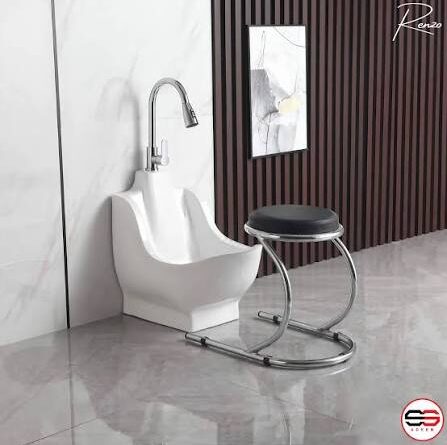
How to Choose a Muslim Wudu Sink for Residential and Commercial Spaces
Choosing the right wudu sink involves balancing comfort, functionality, durability, and available space. In residential settings, a suitable sink can make daily ablution more convenient without taking up too much room. In commercial environments such as mosques, Islamic centers, schools, and community facilities, the design must also accommodate frequent use, straightforward cleaning, and the needs of different users.
When selecting a Muslim Wudu Sink, it is important to evaluate more than appearance or purchase price. Basin dimensions, material quality, faucet placement, drainage, accessibility, and installation requirements all influence its long-term performance. Understanding these factors can help homeowners, architects, and facility managers choose a model that fits their space and intended use.
1. Identify the Intended Use
The first step is to determine where the sink will be installed and how frequently it will be used. Residential and commercial settings often have different requirements, so identifying the primary purpose helps narrow the available options.
Residential Use
For a home, the sink may serve a small number of household members throughout the day. Space efficiency, comfort, appearance, and ease of cleaning are often the main priorities.
A compact wall-mounted basin may work well in a small bathroom or dedicated prayer room. Larger homes may have enough space for a specialized ablution station with additional room for foot washing.
Commercial Use
Commercial facilities usually need to accommodate more users within a limited period, particularly before congregational prayers. Durability, drainage capacity, cleaning efficiency, and accessible layouts become especially important.
A mosque or Islamic center may benefit from multiple washing stations arranged to support a steady flow of visitors. The number of stations should reflect expected peak usage rather than average daily attendance alone.
2. Measure the Available Space
Accurate measurements help ensure that the sink fits comfortably without obstructing doors, walkways, or nearby fixtures.
Before purchasing, measure the available width, depth, and installation height. Include space for faucets, plumbing connections, mounting hardware, and any surrounding countertop.
For smaller homes, compact or corner-mounted models can help make efficient use of limited space. Commercial facilities should also allow sufficient clearance between stations so users can wash without crowding one another.
Do not select a sink based on its dimensions alone. Consider the space required to approach the basin, move comfortably while washing, and leave the station safely.
3. Choose the Right Sink Design
Different sink configurations suit different rooms and user requirements.
Wall-Mounted Wudu Sinks
Wall-mounted models are suitable for many modern bathrooms and dedicated ablution areas. They can leave the floor beneath the basin accessible for cleaning and create a streamlined appearance.
However, the wall must provide adequate structural support. Confirm the required mounting hardware and reinforcement before installation, particularly when choosing a heavy basin.
Floor-Standing Models
Floor-standing sinks can provide a substantial, dedicated washing station. They may be suitable for larger rooms where floor space is available.
Check the footprint carefully and ensure that the unit does not interfere with movement or cleaning routines.
Compact Wudu Basins
Compact basins are useful for apartments, smaller homes, and prayer rooms with limited space. A carefully designed compact model can provide convenient washing without requiring a large installation area.
Check the basin’s depth and shape to ensure that it remains practical for the intended tasks.
Seated Ablution Stations
Seated configurations can support older adults and people who have difficulty standing for extended periods. They may include a stable seat or bench positioned beside a suitable washing area.
In shared facilities, combining seated and standing stations can provide greater flexibility for users with different needs.
4. Select a Durable and Hygienic Material
The basin material affects durability, maintenance requirements, and appearance. Since wudu sinks experience regular water exposure, the surface should be appropriate for a wet environment and compatible with routine cleaning.
Ceramic and Porcelain
Ceramic and porcelain are common bathroom materials because their glazed surfaces are generally easy to clean. They suit many residential and commercial installations.
However, both materials can chip or crack when struck by heavy objects. Product quality, glaze condition, and installation support should be checked before purchase.
Solid-Surface Materials
Solid-surface sinks offer flexibility in shape and design. Some products can also be repaired if minor surface damage occurs.
Their scratch resistance, heat tolerance, and cleaning requirements vary by formulation, so review the manufacturer’s specifications.
Natural Stone
Natural stone can create an elegant appearance in custom bathrooms and prayer areas. However, certain stones require sealing and specialized cleaning products to prevent staining or deterioration.
Consider the additional maintenance before choosing this material for a high-use commercial setting.
Stainless Steel
Stainless steel can be appropriate for functional washing areas that experience frequent use. Its performance depends on the steel grade, finish, and manufacturing quality.
Water spots and scratches may be more noticeable than on some other surfaces, so regular wiping may be necessary.
5. Evaluate Basin Size, Shape, and Depth
The basin should provide enough room for comfortable washing while helping contain splashing. A bowl that is too shallow or narrow may be inconvenient, especially when users need to wash their arms or feet.
Consider these design factors:
- Basin depth: A suitable depth helps contain water and reduce splashing.
- Bowl width: Adequate width provides room for movement during washing.
- Edge design: Smooth, accessible edges make cleaning easier.
- Drain position: A well-positioned drain supports effective water flow.
- Overall height: The installation should suit the primary users and applicable accessibility requirements.
Where foot washing is a key requirement, consider a specialized model designed for that purpose rather than assuming every wudu sink provides the necessary space or features.
6. Check Faucet and Water-Control Features
Faucet placement influences comfort, water efficiency, and the cleanliness of the surrounding area. The outlet should direct water into the basin without excessive splashing.
Single-lever faucets can simplify operation where hot and cold water are provided. Other installations may use separate taps or a cold-water connection, depending on local requirements and user preferences.
For commercial settings, select durable fittings that can withstand frequent operation and are easy to maintain. Accessible shutoff valves can also simplify repairs.
Review the recommended water pressure and connection sizes before purchasing. After installation, test the flow and adjust it to a practical level where the plumbing system allows.
7. Prioritize Drainage and Floor Safety
Effective drainage is essential in any ablution area. Poor drainage can lead to standing water, unpleasant odors, and increased slip risks.
Check that the sink’s drain outlet is compatible with the plumbing system and that the pipework is installed correctly. In dedicated ablution rooms, floor drains may also be necessary to manage water that splashes outside the basin.
The surrounding floor should be suitable for wet conditions and provide appropriate slip resistance. Ensure that the floor slope directs water toward drainage points and that there are no persistent puddles.
For commercial installations, drainage capacity should reflect the number of users and the expected volume of water. A qualified plumber or building professional can assess the requirements.
8. Consider Accessibility and User Comfort
A well-designed wudu sink should accommodate the people who will use it. Homes may need to consider children and older family members, while public facilities may serve worshippers with a wider range of mobility needs.
Useful features can include:
- Suitable basin heights for the intended users.
- Easy-to-operate faucet controls.
- Clear space for approaching and using the basin.
- Stable seating or support features where appropriate.
- Unobstructed walkways and accessible entrances.
- Slip-resistant flooring and effective drainage.
Where accessibility standards apply, consult the relevant local building codes before finalizing the design. Planning for accessibility early can prevent expensive modifications later.
9. Compare Residential and Commercial Requirements
Although many wudu sinks can be used in different environments, the best choice depends on usage patterns and maintenance expectations.
| Selection factor | Residential spaces | Commercial spaces |
|---|---|---|
| Expected usage | Usually limited to household members | Often frequent, high-volume use |
| Space planning | May prioritize compact dimensions | Must support user flow and circulation |
| Material choice | Balance appearance and maintenance | Prioritize durability and cleaning efficiency |
| Cleaning routine | Regular household cleaning | More frequent scheduled cleaning |
| Accessibility | Based on household needs | Should consider a broad range of users |
| Maintenance planning | Occasional inspections and repairs | Documented inspections and prompt servicing |
These are general considerations rather than strict rules. A large home may require commercial-grade durability, while a small community facility may prioritize compact design.
10. Review Installation Requirements
Before purchasing a sink, confirm that the intended location can support its installation. Check the water supply, drain outlet, wall structure, mounting hardware, and surrounding finishes.
Wall-mounted sinks may require structural reinforcement. Floor-standing models need a stable installation surface, and all plumbing connections should be accessible for inspection where practical.
The surrounding walls and floor should be suitable for repeated moisture exposure. Use compatible sealants and follow the manufacturer’s installation instructions.
Professional installation is advisable when plumbing needs to be relocated, the wall requires reinforcement, or the project involves complex drainage work. After installation, test the water supply, drain, mounting stability, and seals before regular use.
11. Consider Maintenance and Long-Term Costs
The initial purchase price does not represent the full cost of owning a wudu sink. Installation, cleaning, water use, repairs, and replacement parts can all influence long-term value.
Before choosing a model, ask the supplier about:
- Recommended cleaning products and maintenance procedures.
- Warranty terms and exclusions.
- Availability of replacement faucets and drain components.
- Repair options for surface damage.
- Installation requirements and technical support.
- Expected maintenance needs under regular use.
For shared facilities, ease of cleaning and access to replacement parts may be especially important. A slightly higher initial investment may be worthwhile if the sink is durable, practical to maintain, and suitable for frequent use.
12. Maintain the Sink After Installation
Regular maintenance helps preserve the sink’s appearance and functionality. Clean the bowl and faucet using products suitable for the material, and remove mineral deposits before they accumulate.
Inspect the drain for debris and check the plumbing connections for leaks. Wipe up standing water around the fixture and repair damaged sealant promptly.
Avoid abrasive cleaners or harsh chemicals unless the manufacturer confirms they are safe for the surface. In mosques and other busy facilities, establish a cleaning schedule that reflects peak usage and the needs of the community.
Conclusion
Choosing a Muslim wudu sink for residential or commercial spaces requires careful attention to design, dimensions, materials, plumbing, accessibility, and maintenance. Compact wall-mounted models may be suitable for smaller homes, while larger facilities may benefit from multiple durable stations that support frequent use and efficient movement.
Before making a purchase, assess the installation area, identify the needs of the users, and compare product specifications rather than relying on appearance or price alone. With the right design, professional installation where necessary, and consistent maintenance, a wudu sink can provide a convenient and hygienic space for daily ablution.