
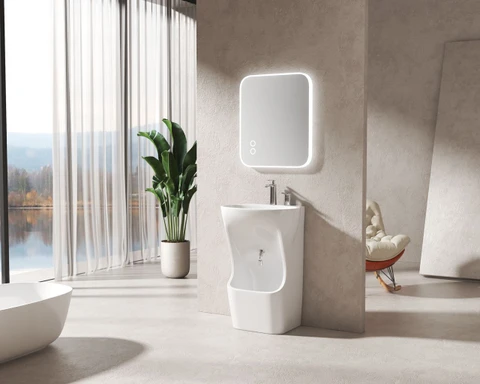
Space-Saving Wudu Wash Basin Ideas for Small Prayer Areas
Designing efficient ablution spaces in compact prayer areas is becoming increasingly important as urban mosques, Islamic centers, offices, and educational institutions face space limitations. Even with restricted floor areas, it is still possible to create a comfortable and hygienic wudu zone through smart planning and modern fixtures.
Space optimization is not only about fitting equipment into small areas but also about ensuring smooth user flow, cleanliness, and accessibility. A well-designed Wudu Wash Basin system helps achieve this balance by combining functionality with compact design, making it suitable for facilities that want to maximize every square meter. At the same time, from an export marketing perspective, promoting compact and innovative solutions can help businesses attract international buyers looking for practical, space-efficient products for modern infrastructure projects.
Use Wall-Mounted Basin Designs
Wall-mounted installations are one of the most effective solutions for small ablution areas. By freeing up floor space, they create a more open and organized environment.
Benefits of wall-mounted systems include:
- Reduced floor clutter
- Easier cleaning and maintenance
- Better user movement in tight spaces
- Flexible installation heights
This design approach is especially useful in urban mosques where every inch of space matters.
Opt for Multi-User Linear Configurations
Instead of installing separate units with large gaps, linear configurations allow multiple users to perform ablution side by side in a structured layout.
Key advantages include:
- Higher capacity in limited space
- Streamlined plumbing installation
- Better crowd management during peak times
- Uniform and organized appearance
This setup is ideal for prayer rooms in offices, schools, and shopping centers where usage spikes at specific times.
Prioritize Compact and Slim Designs
Modern ablution systems are increasingly designed with space efficiency in mind. Slim profiles and integrated structures help reduce unnecessary bulk while maintaining functionality.
When selecting compact designs, consider:
- Narrow basin depth for tight spaces
- Integrated shelving or foot-washing sections
- Minimalist structure for visual openness
- Multi-functional design elements
Compact solutions ensure that even small prayer areas remain fully functional and comfortable.
Improve Layout Efficiency with Smart Positioning
Even the best equipment can fail to perform well if the layout is inefficient. Proper positioning is critical for space-saving design.
Effective layout strategies include:
- Placing basins along unused walls or corners
- Avoiding obstruction near prayer entry points
- Creating single-direction user flow
- Maintaining clear walking pathways
Smart positioning ensures that the space feels larger and more organized than it actually is.
Choose Durable Materials for High Usage
Small spaces often experience concentrated usage, making durability a key factor. Materials must withstand frequent contact with water and continuous daily use.
Recommended material characteristics include:
- Scratch and stain resistance
- Non-porous surfaces for hygiene
- Strong load-bearing structure
- Easy cleaning and maintenance
A reliable solution like the Wudu Wash Basin ensures long-term durability while maintaining a clean and modern appearance in compact environments.
Incorporate Water Efficiency Features
Space-saving design should also consider resource efficiency. Compact ablution areas benefit from controlled water usage systems that reduce waste and maintain cleanliness.
Helpful features include:
- Low-flow faucets
- Splash-resistant basin design
- Quick-drain systems
- Smart water distribution setup
These features not only support sustainability but also reduce operational costs for facility managers.
Enhance Accessibility in Tight Spaces
Even small prayer areas must remain inclusive. Proper design ensures that users of all ages and abilities can comfortably use the ablution facility.
Accessibility improvements may include:
- Varying basin heights
- Support rails for stability
- Adequate lighting in compact zones
- Slip-resistant flooring
Inclusive design ensures that space limitations do not affect usability or comfort.
Conclusion
Creating efficient ablution areas in small prayer spaces requires thoughtful planning and modern design strategies. By using wall-mounted units, compact layouts, and smart positioning, facilities can maximize usability without compromising comfort or hygiene.
At the same time, businesses can use these innovative, space-saving concepts as part of their export marketing strategy. Highlighting practical solutions like compact ablution systems helps attract global buyers who are seeking efficient, modern infrastructure products for limited-space environments.