
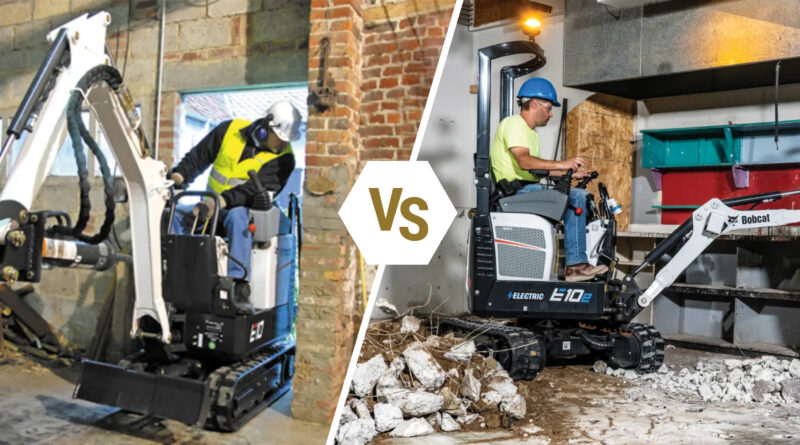
Electric Mini Excavator for Sale: Understanding Operating Costs and Savings
Electric construction equipment is becoming increasingly popular as contractors look for more efficient and environmentally responsible alternatives to traditional diesel machines. Among these innovations, electric mini excavators stand out for their ability to reduce operating expenses while maintaining strong performance for a wide range of job site applications. Understanding the true cost structure of these machines is essential before making a purchasing decision.
When evaluating an electric mini excavator for sale, it is important to look beyond the initial purchase price. Long-term savings come from reduced fuel consumption, lower maintenance needs, and improved energy efficiency. These factors combine to make electric models an increasingly practical investment for contractors, landscapers, and construction companies aiming to optimize their operational budgets.
Initial Purchase Cost vs Long-Term Value
Electric mini excavators may sometimes have a higher upfront cost compared to diesel-powered alternatives. This is mainly due to advanced battery systems and newer electric drive technology.
However, focusing only on the purchase price can be misleading. Over time, electric models often provide better financial value because they reduce ongoing expenses associated with fuel, engine maintenance, and mechanical repairs. This shift in cost structure makes them more appealing for long-term use.
Energy Consumption and Charging Costs
One of the most important cost factors for electric mini excavators is electricity consumption. Compared to diesel fuel, electricity is generally more stable in price and often more affordable per unit of energy.
Charging costs depend on:
- Local electricity rates
- Battery capacity of the machine
- Charging frequency and working hours
In many cases, operators find that daily charging costs are significantly lower than equivalent diesel fuel consumption. This creates consistent savings over time, especially for businesses with heavy equipment usage.
Reduced Fuel Dependency
Diesel-powered machines require continuous fuel supply, which not only adds cost but also creates logistical challenges on remote or busy job sites. Fuel transportation, storage, and handling also increase operational complexity.
Electric mini excavators eliminate these issues entirely. By relying on battery power, they reduce dependency on fuel supply chains and minimize the risk of delays caused by refueling requirements. This contributes to smoother project execution and improved cost control.
Lower Maintenance Expenses
Maintenance is one of the largest ongoing costs for diesel machinery. Regular oil changes, filter replacements, engine servicing, and exhaust system repairs can add up significantly over time.
Electric mini excavators have fewer moving parts and do not require many of these traditional maintenance tasks. Key savings come from:
- No engine oil changes
- Reduced wear on mechanical components
- Fewer breakdowns and repairs
- Simplified servicing schedules
This reduction in maintenance complexity not only saves money but also minimizes downtime, allowing equipment to remain productive for longer periods.
Battery Lifespan and Replacement Considerations
While electric machines offer many savings, it is important to consider battery lifecycle costs. Batteries are a key component of operating expenses and will eventually require replacement depending on usage intensity and charging habits.
Modern battery systems are designed for long life cycles and consistent performance. Proper charging practices and routine maintenance can extend battery lifespan, helping to maximize return on investment over the machine’s operational life.
Labor Efficiency and Productivity Gains
Electric mini excavators often provide smoother and more precise control compared to diesel models. This improved responsiveness can enhance operator efficiency and reduce time spent on tasks.
Faster completion of excavation work means lower labor costs per project. Over time, this improved productivity contributes to overall financial savings, especially for contractors managing multiple or time-sensitive projects.
Environmental Compliance and Cost Avoidance
In many regions, environmental regulations are becoming stricter, especially in urban construction zones. Diesel equipment may face restrictions, additional compliance costs, or limitations on working hours.
Electric mini excavators help avoid these potential expenses by producing zero direct emissions and operating more quietly. This allows contractors to work in more locations without regulatory barriers, reducing the risk of project delays or fines.
Conclusion
Understanding the operating costs of electric mini excavators reveals why they are becoming a preferred choice in modern construction. While the initial investment may be higher, the long-term savings in fuel, maintenance, and operational efficiency often outweigh upfront expenses.
For businesses seeking a more sustainable and cost-efficient solution, exploring an electric mini excavator for sale can be a strategic decision that supports both financial performance and environmental responsibility over time.