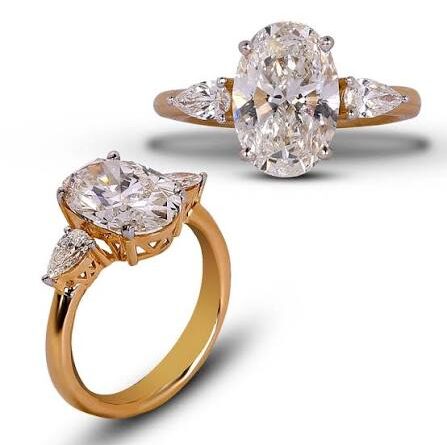
Gold vs. Platinum: Which Metal Is Best for a Lab Diamond Ring?
Choosing the right metal is an important part of designing or purchasing a diamond ring. While the center diamond often receives the most attention, the metal determines the ring’s color, overall appearance, durability, weight, and maintenance requirements. Gold and platinum are two popular precious metals, each offering distinct advantages.
When selecting a Lab Diamond Ring, buyers often compare gold and platinum to find a metal that complements the diamond and suits their lifestyle. Both materials can create beautiful settings, but their differences in composition, appearance, cost, and long-term care are worth understanding before making a decision.
This guide explores the main characteristics of gold and platinum to help you determine which option is more suitable for your preferences and budget.
Understanding Gold and Platinum
Gold and platinum are precious metals commonly used in fine jewelry. Although both are valued for their beauty and durability, they have different physical and chemical properties.
What Is Gold?
Gold is a naturally occurring precious metal valued for its attractive appearance and resistance to corrosion. Pure gold is relatively soft, so jewelry is generally made using gold alloys that combine gold with other metals.
Gold jewelry is available in several colors, including:
- Yellow gold: Offers a traditional warm appearance.
- White gold: Provides a bright, silvery look and is often rhodium-plated.
- Rose gold: Has a pinkish tone created by adding copper to the alloy.
Gold purity is measured in karats. Common jewelry options include 14K and 18K gold.
What Is Platinum?
Platinum is a naturally white precious metal known for its density, durability, and resistance to corrosion. Jewelry is commonly made using high-purity platinum alloys, such as 950 platinum, which contains 95% platinum.
Unlike white gold, platinum does not depend on rhodium plating to maintain its naturally white appearance.
Its substantial weight and distinctive finish make it a popular choice for engagement rings and other fine jewelry.
1. Durability: How Do Gold and Platinum Compare?
Durability is an important consideration for a ring that may be worn every day. Both gold and platinum can provide long-lasting performance, but they respond differently to regular wear.
Gold Durability
The durability of gold depends on its karat and alloy composition.
14K gold contains approximately 58.5% pure gold and is generally harder than higher-purity gold alloys. It is often selected for everyday jewelry because of its balance between gold content and durability.
18K gold contains 75% pure gold. It offers a richer precious-metal content but is generally softer than comparable 14K gold alloys.
Gold can develop scratches and lose small amounts of metal through repeated wear. White gold may also require periodic rhodium replating to maintain its bright finish.
Platinum Durability
Platinum is dense and durable, making it suitable for holding diamonds securely in well-designed settings. However, it can develop surface scratches and a soft matte appearance known as patina over time.
One important difference is how the metals respond to wear. Platinum tends to move or displace rather than wear away as quickly under many everyday conditions, although actual performance depends on the design and use of the ring.
Which Is Better?
Platinum is often preferred for its substantial construction and long-term setting performance. However, 14K gold can also be a practical and durable option when properly designed and maintained.
2. Appearance: Choosing the Right Color
The metal’s color influences the overall style of the ring and how the center diamond looks.
<text></text>
Yellow Gold
Yellow gold creates a warm, classic appearance. Its rich color contrasts with colorless diamonds, making it suitable for traditional and vintage-inspired designs.
It is also a popular option for people who prefer warm-toned jewelry.
White Gold
White gold has a bright, silvery appearance that complements the colorless look of many lab-grown diamonds.
Because white gold is typically coated with rhodium, its finish may gradually change as the plating wears. Replating can restore its original bright appearance.
Rose Gold
Rose gold offers a soft pink tone that creates a distinctive look. Its copper content contributes to the color and can make it an appealing choice for romantic or contemporary ring designs.
Platinum
Platinum has a naturally white, slightly grayish appearance. It does not require rhodium plating, although its surface can develop a patina with regular use.
Buyers who prefer a naturally white metal may find platinum particularly appealing.
3. Price: Which Metal Is More Affordable?
Price is often one of the biggest differences between gold and platinum.
Gold is generally more affordable for many ring designs, although the final price depends on gold purity, current market prices, ring weight, and craftsmanship.
Platinum rings often cost more because platinum is a dense metal, so a ring may require more metal by weight. Its material cost and manufacturing requirements can also influence the final price.
Factors That Affect Ring Pricing
- Metal type and purity.
- Total metal weight.
- Ring design and construction.
- Number and size of accent diamonds.
- Customization requirements.
- Manufacturing and finishing costs.
A simple 14K gold setting may be more budget-friendly than a comparable platinum design. However, buyers should also consider long-term maintenance expenses rather than comparing the initial purchase price alone.
4. Weight and Wearing Comfort
The weight of a ring can affect how comfortable it feels throughout the day.
Gold Rings
Gold is generally lighter than platinum. This makes gold settings appealing to people who prefer a ring with a less substantial feel.
The actual weight depends on the ring’s dimensions, metal purity, and construction.
Platinum Rings
Platinum is significantly denser than gold. As a result, a platinum ring of similar dimensions may feel heavier on the finger.
Some people appreciate this substantial feel, while others prefer a lighter ring.
Neither option is automatically more comfortable. The band’s width, thickness, profile, and overall design also influence how a ring feels.
5. Maintenance: What Care Does Each Metal Require?
Both metals benefit from regular cleaning and professional inspection. However, their maintenance requirements differ.
Caring for Gold Rings
Gold rings should be cleaned gently using warm water, mild soap, and a soft brush when suitable for the design.
White gold may need rhodium replating as the coating gradually wears away. Yellow and rose gold do not require this particular treatment, although they can still develop scratches and signs of everyday wear.
For rings with intricate settings, professional cleaning can help remove dirt from areas that are difficult to reach.
Caring for Platinum Rings
Platinum does not require rhodium plating, which can reduce one recurring maintenance task.
However, its surface may develop scratches and patina. Some owners prefer this naturally aged appearance, while others choose professional polishing to restore a brighter finish.
Periodic inspection is important for both platinum and gold settings to ensure the diamond and any accent stones remain secure.
6. Hypoallergenic Properties and Skin Sensitivity
People with sensitive skin may need to pay attention to the metal composition of their rings.
High-purity platinum is often a suitable option for people concerned about metal allergies. It is generally well tolerated, although individual reactions can vary.
Gold alloys may contain nickel, copper, or other metals that can cause reactions in some people. White gold deserves particular attention because certain formulations use nickel to create its color.
If you have known metal sensitivities, ask the jeweler for the exact alloy composition before purchasing. Nickel-free white gold or suitable platinum alloys may be alternatives worth considering.
Gold vs. Platinum: A Side-by-Side Comparison
The following table highlights the main differences between the two metals.
| Feature | Gold | Platinum |
|---|---|---|
| Appearance | Yellow, white, or rose | Naturally white |
| Common Purity | 14K and 18K | Often 950 platinum |
| Density | Generally lighter | Significantly denser |
| Durability | Depends on karat and alloy | Durable and suitable for fine settings |
| Surface Wear | Can scratch and lose small amounts of metal | Can scratch and develop patina |
| Maintenance | White gold may need rhodium replating | No rhodium replating required |
| Initial Cost | Generally lower | Generally higher |
| Skin Sensitivity | Depends on alloy composition | Often suitable for sensitive skin |
| Design Options | Broad range of colors and finishes | Primarily white-metal appearance |
Which Metal Is Better for Different Diamond Shapes?
The metal and setting should complement the diamond’s proportions and design.
Round Brilliant Diamonds
Round diamonds are highly versatile and look attractive in yellow gold, white gold, rose gold, and platinum. A white metal can create a seamless appearance, while yellow or rose gold adds contrast.
Oval and Pear Diamonds
Elongated shapes often work well with slim bands and delicate settings. Platinum and white gold create a refined appearance, while yellow gold can add a warmer visual effect.
Emerald and Asscher Diamonds
These geometric shapes often suit clean, structured settings. Platinum and white gold can emphasize their sharp lines, while yellow gold can create a distinctive vintage-inspired design.
Princess and Radiant Diamonds
These shapes work with a variety of metals. The setting should provide suitable protection for the corners while maintaining the desired appearance.
Ultimately, the diamond shape does not determine which metal must be used. Personal style, setting construction, and practical needs should guide the decision.
How to Choose Between Gold and Platinum
The best metal depends on how you plan to wear the ring and what matters most to you.
Choose Gold If:
- You want more color options.
- You prefer a lighter ring.
- You are working with a more limited budget.
- You like traditional yellow or romantic rose gold.
- You are comfortable with occasional maintenance, such as replating white gold.
Choose Platinum If:
- You prefer a naturally white metal.
- You like the feel of a heavier ring.
- You want to avoid periodic rhodium replating.
- You value high-purity precious-metal construction.
- You have concerns about certain alloy metals and want to discuss suitable options.
Neither metal is universally better. The right choice depends on your priorities and the quality of the finished ring.
Common Mistakes to Avoid When Selecting Ring Metal
Before purchasing a diamond ring, consider these common mistakes:
- Focusing only on the initial price: Long-term care and maintenance can also affect ownership costs.
- Assuming all gold is equally durable: Different karats and alloy compositions have different properties.
- Expecting platinum to remain scratch-free: Platinum can develop surface marks and patina with regular use.
- Ignoring alloy composition: People with sensitive skin should check which metals are included.
- Choosing based only on color: Weight, comfort, and maintenance are also important.
- Overlooking setting quality: Even a premium metal requires proper design and craftsmanship to hold a diamond securely.
Comparing these details helps ensure that the selected metal suits both the diamond and the wearer’s daily routine.
Conclusion
Gold and platinum are both excellent choices for a lab-grown diamond ring, but they offer different benefits. Gold provides a wider range of colors, a lighter feel, and generally lower initial costs. Platinum offers a naturally white appearance, substantial weight, and high-purity construction without the need for rhodium replating.
If affordability, color variety, and a lighter design are priorities, gold may be the better option. If you prefer a naturally white metal and appreciate its substantial feel and maintenance characteristics, platinum may be more suitable.
The most important step is to compare metal composition, ring construction, comfort, and long-term care requirements. A thoughtfully selected metal will complement the diamond and help create a ring that fits your personal style and everyday needs.