
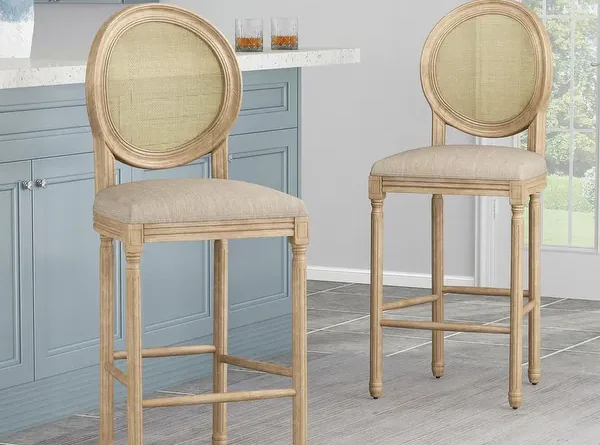
Essential Certifications Every Bar Furniture Manufacturer Should Have
Quality, safety, and reliability are important considerations when selecting furniture suppliers for commercial spaces. Bars, restaurants, hotels, and hospitality venues need furniture that can withstand frequent use while meeting expected standards for durability and performance.
Certifications provide valuable insight into a manufacturer’s production practices, quality management systems, and commitment to responsible manufacturing. A professional bar furniture manufacturer with recognized certifications can give businesses greater confidence when choosing a supplier for their commercial furniture projects.
Why Certifications Matter in Furniture Manufacturing
Certifications help demonstrate that a manufacturer follows established guidelines for production, safety, and environmental responsibility. They also provide buyers with a way to evaluate suppliers beyond appearance and pricing.
Certified manufacturers often demonstrate:
- Consistent production processes
- Improved quality control
- Responsible material management
- Better workplace practices
- Compliance with industry requirements
For international buyers, certifications can be an important factor when comparing potential suppliers.
ISO 9001 Quality Management Certification
ISO 9001 is one of the most recognized quality management standards worldwide. It focuses on improving production systems, customer satisfaction, and consistent product quality.
A manufacturer following ISO 9001 principles typically maintains:
- Documented production procedures
- Quality monitoring systems
- Continuous improvement processes
- Customer-focused operations
This certification indicates that a company has structured methods for managing quality throughout its operations.
ISO 14001 Environmental Management Certification
Environmental responsibility is becoming increasingly important in the furniture industry. ISO 14001 focuses on environmental management systems that help companies reduce their impact on the environment.
Manufacturers following this standard may focus on:
- Reducing production waste
- Improving resource efficiency
- Managing environmental risks
- Using sustainable practices
This certification demonstrates a commitment to more responsible manufacturing.
FSC Certification for Responsible Wood Sourcing
For manufacturers using wood materials, FSC certification is an important consideration. It supports responsible forestry practices by ensuring wood comes from properly managed sources.
FSC-certified materials help support:
- Sustainable forest management
- Responsible sourcing
- Environmental protection
- Traceable material supply chains
This is especially valuable for businesses seeking environmentally conscious furniture solutions.
Safety and Product Testing Certifications
Commercial furniture must meet safety expectations, especially in high-traffic hospitality environments. Product testing certifications help confirm that furniture performs reliably under regular use.
Testing may evaluate:
- Structural strength
- Weight capacity
- Stability
- Material performance
- Safety features
These evaluations help reduce risks and improve customer confidence.
BSCI Social Compliance Certification
BSCI (Business Social Compliance Initiative) focuses on ethical working conditions and responsible supply chain practices.
Manufacturers following BSCI standards typically emphasize:
- Safe working environments
- Fair labor practices
- Employee welfare
- Responsible business operations
Social compliance certifications are increasingly important for companies working with international suppliers.
CE Marking for Applicable Products
For certain furniture products and components sold in specific markets, CE marking may indicate compliance with applicable European safety, health, and environmental requirements.
Depending on the product category, CE-related compliance can support:
- Market access
- Safety assurance
- Regulatory alignment
Businesses should confirm which certifications apply to their specific furniture requirements.
CARB Compliance for Wood-Based Materials
CARB (California Air Resources Board) standards address formaldehyde emissions from composite wood products. This certification is important for manufacturers using engineered wood materials.
CARB compliance helps ensure:
- Lower chemical emissions
- Improved indoor air quality
- Safer material selection
This is particularly relevant for furniture used in enclosed hospitality environments.
Quality Testing for Materials and Finishes
Beyond formal certifications, reliable manufacturers often perform additional testing on materials and finishes.
Testing may include:
- Scratch resistance
- Moisture resistance
- Surface durability
- Fabric performance
- Color stability
These tests help ensure furniture maintains its appearance and functionality over time.
How Certifications Benefit Buyers
Choosing a certified manufacturer provides several advantages for businesses.
Benefits include:
- Greater confidence in product quality
- Reduced risk of manufacturing issues
- Improved supplier transparency
- Support for sustainability goals
- Better compliance with international requirements
Certifications help businesses make more informed purchasing decisions.
Questions to Ask About Certifications
Before selecting a furniture supplier, consider asking:
- Which certifications does your company hold?
- Are certifications current and valid?
- Which materials are covered by certifications?
- Do you conduct regular quality testing?
- Can you provide certification documentation?
These questions help verify a manufacturer’s commitment to quality and responsible production.
Final Thoughts
Certifications play an important role in identifying reliable furniture suppliers. They demonstrate a manufacturer’s commitment to quality management, environmental responsibility, safety, and ethical business practices.
When choosing a bar furniture manufacturer, businesses should consider certifications alongside experience, craftsmanship, customization options, and customer service. A certified supplier can provide greater confidence that furniture will meet commercial requirements and deliver long-term value.