Key Features to Consider When Choosing Reliable Quick Connectors for Industrial Applications
Industrial fluid systems depend on secure and efficient connections to maintain consistent equipment performance. Whether used in manufacturing machinery, hydraulic installations, pneumatic tools, or fluid transfer operations, connection components play an important role in system reliability. Choosing an unsuitable connector can result in fluid leakage, pressure loss, equipment interruptions, and increased maintenance requirements.
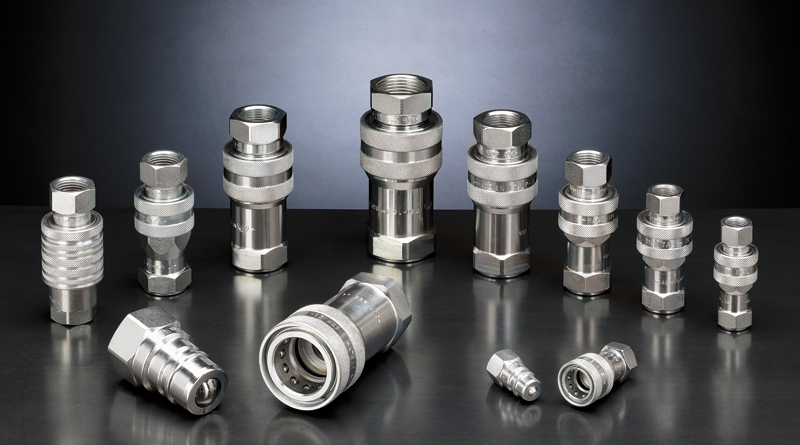
Modern industrial facilities require connection solutions that offer durability, convenient handling, and dependable sealing performance. A Quick Connector provides a practical way to join and disconnect compatible fluid lines with minimal effort. However, not every connector is suitable for every industrial environment. Understanding the essential features and technical specifications can help engineers, maintenance professionals, and equipment buyers make informed selection decisions.
Understanding Quick Connectors in Industrial Systems
Quick connectors are mechanical components designed to establish secure connections between hoses, pipes, and equipment. They allow operators to connect or disconnect fluid lines without relying on complicated installation procedures.
Many designs feature locking mechanisms that hold mating components together during operation. Depending on their intended application, they may also include internal valves that control fluid movement when the connection is separated.
These connectors are commonly used in hydraulic systems, pneumatic installations, cooling equipment, and industrial fluid transfer applications.
Essential Features to Consider When Choosing Quick Connectors
Selecting a reliable connector involves evaluating several technical characteristics. Each feature contributes to the overall performance, safety, and service life of the connection.
1. Pressure Handling Capacity
Pressure rating is one of the most important specifications when selecting an industrial connector. Different systems operate under different pressure conditions, and the connector must withstand the pressure generated during normal operation.
Before purchasing, consider:
- Maximum system working pressure.
- Possible pressure fluctuations and surges.
- Pressure ratings of connected hoses and fittings.
- Manufacturer-approved operating limits.
Using a connector beyond its specified pressure capacity can increase the risk of leakage, mechanical damage, and accidental disconnection.
2. Material Quality and Durability
The connector material directly affects its strength, corrosion resistance, and ability to withstand demanding industrial conditions.
Common material options include:
- Stainless steel: Provides good corrosion resistance and is suitable for many demanding industrial environments.
- Carbon steel: Offers mechanical strength for applications requiring durable connections.
- Brass: Commonly used in certain pneumatic, water, and general-purpose fluid systems.
- Aluminum: Offers a lightweight alternative where reducing equipment weight is important.
Material selection should account for the working fluid, operating environment, mechanical stress, and expected service life.
3. Reliable Sealing Performance
A dependable sealing system helps prevent fluid or air leakage during equipment operation. Poor sealing can reduce system efficiency, create workplace hazards, and increase maintenance expenses.
Many industrial connectors use elastomeric seals or other specialized sealing elements to maintain connection integrity.
When evaluating sealing performance, consider fluid compatibility, temperature resistance, operating pressure, and expected connection frequency.
Regular seal inspections are also necessary because even durable sealing materials can deteriorate over time.
4. Secure Locking Mechanism
A locking mechanism prevents connected components from separating unintentionally during operation.
Different connector designs may use locking balls, sliding sleeves, threaded arrangements, or other mechanical systems.
The selected mechanism should provide reliable engagement under the equipment’s expected operating conditions. This is particularly important in machinery exposed to vibration, movement, and repeated connection changes.
5. Ease of Connection and Disconnection
Industrial maintenance often requires operators to connect and disconnect hoses or accessories regularly. A connector with a convenient operating mechanism can reduce manual effort and simplify servicing.
Push-to-connect and sleeve-operated designs are examples of configurations that support efficient handling.
However, ease of operation should never replace proper locking and safety requirements. Operators must always confirm that the connection is fully secured before starting equipment.
6. Flow Capacity and Pressure Drop
The internal passage of a connector affects how efficiently fluid or air moves through the system.
An undersized connector may restrict flow and create excessive pressure drops, potentially affecting equipment performance.
When selecting a connector, evaluate the required flow rate, internal diameter, fluid viscosity, and system pressure conditions.
Choosing an appropriate size helps maintain consistent flow without introducing unnecessary resistance.
7. Temperature Resistance
Industrial equipment may operate in environments involving extreme heat, cold, or significant temperature fluctuations.
These conditions can affect connector materials and sealing elements. High temperatures may accelerate seal deterioration, while low temperatures can influence material flexibility.
Always check the manufacturer’s temperature specifications to ensure compatibility with the intended application.
Safety Features That Improve Industrial Connector Reliability
Industrial connection systems must provide more than convenience. They should also help reduce operational hazards and support controlled fluid handling.
Automatic Shut-Off Valves
Some quick connectors include internal valves that automatically close when disconnected. These mechanisms help reduce fluid loss and prevent uncontrolled discharge.
Double shut-off configurations can close both mating sides, providing additional protection during equipment changes.
Such features are particularly useful in hydraulic applications involving pressurized liquids.
Protection Against Contamination
Dirt, dust, and other particles can enter exposed connection points during equipment maintenance. Contamination may damage sensitive hydraulic and pneumatic components.
Connectors with protective designs, combined with suitable dust caps and proper cleaning procedures, can help reduce this risk.
Resistance to Vibration and Mechanical Stress
Industrial machinery frequently operates under vibration and movement. These conditions can place additional stress on connection components.
A suitable connector should feature a locking arrangement and construction appropriate for the equipment’s mechanical operating environment.
Regular inspections help identify wear or damage before it affects connection security.
Common Industrial Applications of Quick Connectors
Quick connectors are used in different industries because they simplify equipment connections and support flexible system configurations.
Hydraulic Machinery
Hydraulic systems use pressurized fluids to operate cylinders, pumps, motors, and other mechanical components.
Quick connectors are commonly used in construction equipment, agricultural machinery, industrial presses, and mobile hydraulic installations. They make it easier to replace hoses and connect compatible attachments.
Pneumatic Equipment
Pneumatic systems depend on compressed air to operate tools, actuators, and automated machinery.
Quick connectors simplify the connection of air hoses and accessories, particularly in manufacturing facilities and industrial workshops.
Manufacturing and Automation
Production facilities often contain multiple machines with different fluid, cooling, and pneumatic requirements.
Reliable connectors make maintenance and equipment reconfiguration more convenient while helping maintain consistent operating conditions.
Fluid Transfer Systems
Industrial processes may involve transferring water, oils, coolants, and other compatible liquids.
Appropriately selected connectors help establish secure fluid pathways and simplify hose replacement and routine servicing.
Common Mistakes to Avoid When Selecting Quick Connectors
Even experienced equipment buyers can overlook important specifications when comparing industrial connection components.
Some common selection mistakes include:
- Ignoring pressure requirements: Choosing a connector with an insufficient pressure rating can compromise system safety.
- Overlooking material compatibility: Incorrect materials or seals may deteriorate when exposed to certain fluids.
- Selecting the wrong connection size: Inadequate sizing can restrict flow and increase pressure losses.
- Focusing only on initial cost: Inexpensive components may require more frequent replacement if they are unsuitable for the operating environment.
- Ignoring connection standards: Similar-looking connectors may have different dimensions or locking configurations and may not be interchangeable.
- Neglecting maintenance requirements: Worn seals and damaged locking mechanisms can reduce reliability over time.
Evaluating technical specifications before purchasing helps avoid compatibility problems and unnecessary maintenance expenses.
Maintenance Practices for Longer Service Life
Proper maintenance is essential for keeping industrial connectors reliable. Even well-manufactured components can experience wear when exposed to repeated connections, pressure fluctuations, and environmental contaminants.
Maintenance teams should follow these practices:
- Inspect connector bodies for corrosion, cracks, and physical damage.
- Examine seals for wear, swelling, or deterioration.
- Clean mating surfaces before making connections.
- Use protective caps to cover disconnected components.
- Check locking mechanisms for proper engagement.
- Monitor the system for signs of leakage or pressure loss.
- Replace damaged parts with compatible manufacturer-approved components.
Following recommended maintenance intervals and installation procedures helps preserve connection performance and reduce unexpected failures.
How to Select the Right Connector for Your Application
A systematic selection process makes it easier to identify a connector that meets specific industrial requirements.
Start by determining the type of fluid or gas being transported. Next, establish the system’s working pressure, temperature range, and required flow rate.
Evaluate the available materials, sealing arrangements, connection mechanisms, and safety features. It is also important to confirm that the connector matches the existing hose fittings and applicable connection standards.
Finally, review the manufacturer’s technical documentation and consider long-term maintenance requirements. A suitable connector should meet current operating needs while providing dependable performance throughout its expected service life.
Conclusion
Choosing reliable quick connectors is essential for maintaining efficient and safe industrial fluid systems. Pressure capacity, material quality, sealing performance, locking mechanisms, flow requirements, and temperature resistance all influence connector suitability.
By evaluating these features carefully, industrial operators can reduce leakage risks, improve equipment reliability, and simplify routine maintenance. Combining proper component selection with regular inspections and correct installation practices helps ensure consistent connection performance across demanding industrial applications.