
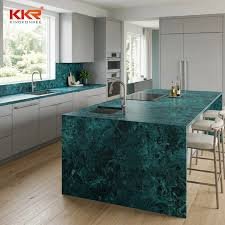
Future Developments in Solid Surface Technology and Product Innovation
Introduction
The solid surface industry continues to evolve as architects, manufacturers, and interior designers look for materials that combine attractive appearances with practical performance. Advances in manufacturing equipment, material science, digital fabrication, and environmental management are creating new opportunities for product development. These changes are influencing how solid surface materials are designed, manufactured, and used in residential and commercial environments.
Solid surface products are already used in countertops, bathroom vanities, reception desks, wall panels, and customized furniture. Manufacturers such as those offering KingKonree Solid Surface products operate within a market where customization, quality consistency, and technical performance are important considerations. Understanding future developments in this field can help buyers, designers, and construction professionals make more informed material decisions.
1. Advancements in Solid Surface Material Formulations
Material formulation will remain an important area of innovation. Traditional solid surface products commonly combine mineral fillers, polymer resins, pigments, and other additives. Researchers and manufacturers continue to explore ways to improve material properties while maintaining suitable fabrication characteristics.
Improved Performance Characteristics
Future formulations may focus on improving resistance to everyday scratches, impact, stains, and temperature changes. These developments could expand the range of applications where solid surface products are practical.
More Consistent Material Composition
Better control over raw material quality and mixing processes may help manufacturers achieve more consistent colors, textures, and physical properties across production batches.
Specialized Product Formulations
Different applications require different material characteristics. Manufacturers may develop products specifically suited to bathrooms, commercial countertops, healthcare furniture, or decorative architectural features.
Easier Fabrication
Formulations that support predictable cutting, joining, sanding, and shaping could help fabricators improve production efficiency and reduce installation difficulties.
Any claimed performance improvement should be supported by product-specific testing and technical documentation.
2. Development of More Sustainable Materials
Environmental responsibility is becoming increasingly important in the construction and interior design sectors. This is encouraging material manufacturers to examine raw material sourcing, recycled content, manufacturing waste, and product lifecycle performance.
Recycled Raw Materials
Future solid surface formulations may incorporate suitable recycled mineral or other recovered materials. The challenge will be maintaining consistent quality and appearance while ensuring that recycled inputs meet technical requirements.
Alternative Resin Technologies
Research into alternative resin systems may create opportunities to reduce the environmental impact of certain formulations. New resin technologies must still provide appropriate strength, stability, and fabrication performance.
Lower-Waste Manufacturing
Improved production planning and cutting technology can reduce offcuts and unnecessary material consumption.
Transparent Environmental Information
Buyers may increasingly expect environmental declarations, recycled-content details, and emissions information to support material selection.
Sustainability improvements should be evaluated using verified information rather than general environmental claims.
3. Greater Use of Digital Manufacturing Technologies
Digital manufacturing is transforming how customized interior components are planned and produced. Solid surface fabrication can benefit from more accurate design software, automated machinery, and improved production monitoring.
Computer-Aided Design
CAD systems allow designers to develop detailed models of countertops, furniture, basins, and architectural features before production begins.
Computer-Controlled Cutting
CNC equipment can produce precise cuts and complex shapes while reducing dependence on manual measurements.
Automated Surface Processing
Automated sanding and polishing systems may help manufacturers achieve more consistent finishes across repeated components.
Digital Production Planning
Integrated software can help coordinate material inventory, cutting layouts, machine schedules, and quality inspections.
These technologies can improve productivity, although successful implementation depends on equipment capabilities, operator training, and suitable production processes.
4. More Advanced Customization Options
Customization is a major reason designers consider solid surface materials. As manufacturing and fabrication methods develop, the range of possible shapes, dimensions, and integrated features may expand.
Complex Furniture Shapes
Improved forming and machining techniques may support more detailed furniture profiles, including curved reception desks, sculptural tables, and decorative wall features.
Customized Vanity Designs
Future product development may provide more options for integrated-looking vanity tops, coordinated basins, and project-specific bathroom furniture.
Unique Edge Profiles
More precise fabrication equipment can help produce distinctive edge details for countertops, tables, and commercial fixtures.
Project-Specific Dimensions
Digital design and manufacturing systems can make it easier to produce components that match unusual room layouts and architectural requirements.
Design flexibility will continue to depend on the physical properties and forming limitations of each product.
5. Improved Seamless Joint Technology
A continuous appearance is an important design preference in modern kitchens, bathrooms, hotels, and commercial interiors. Seamless-looking joints can help create a more unified surface and reduce visual interruptions.
Future developments may focus on improving joining materials, edge preparation, and fabrication precision.
Advanced Adhesive Systems
Research may produce joining systems with improved compatibility, curing characteristics, and color matching for particular solid surface formulations.
More Accurate Joint Preparation
Automated machining can help create precise edges, improving alignment between connected sections.
Better Color Coordination
Improved adhesive and pigment technologies may help reduce visible differences around joined areas.
Integrated Furniture Construction
More refined joining methods may support coordinated countertops, vertical panels, and selected integrated components.
The actual quality of a joint will continue to depend on material compatibility, preparation, curing conditions, and installer expertise.
6. Expansion of Thermoforming and Three-Dimensional Design
Thermoforming allows certain solid surface materials to be heated and shaped into curved forms. This capability has influenced the use of these products in contemporary furniture and architectural applications.
Future developments in forming equipment and process control may make complex designs easier to produce.
Curved Reception Counters
Commercial designers may continue exploring rounded counters that create distinctive entrance areas.
Sculptural Washbasins
Formed surfaces can support creative basin designs where the material and production method are suitable.
Organic Furniture Profiles
Curved tables, decorative panels, and custom furniture may become more accessible through improved fabrication techniques.
Three-Dimensional Architectural Features
Advanced machining and forming may allow manufacturers to create more detailed decorative elements.
However, not every solid surface product is suitable for thermoforming. Temperature limits, thickness, and minimum bending radius must be confirmed before production.
7. New Colors, Patterns, and Surface Finishes
Aesthetic innovation will remain important as interior design preferences change. Buyers increasingly consider how a surface complements lighting, cabinetry, flooring, and other architectural finishes.
Natural Stone-Inspired Patterns
Manufacturers may continue developing decorative patterns inspired by marble, granite, and other natural materials.
More Detailed Color Effects
Improved pigment distribution and production control could support more varied colors and visual patterns.
Matte and Low-Gloss Finishes
Understated finishes may remain popular in minimalist and contemporary interiors.
Textured Surface Options
Developments in finishing technology may create additional tactile effects and decorative possibilities.
Coordinated Product Collections
Manufacturers may offer complementary colors and finishes across different product categories to support consistent interior design schemes.
Physical samples will remain important because the appearance of a finish can vary under different lighting conditions.
8. Smart Technology Integration in Interior Surfaces
Smart buildings are influencing furniture and fixture design. Modern reception counters, bathroom vanities, and commercial workstations increasingly need to accommodate electronic equipment and connected devices.
Solid surface fabrication may support these applications through customized openings and integrated design features.
Wireless Charging Areas
Selected furniture designs may incorporate designated spaces for compatible wireless charging equipment.
Sensor-Based Fixtures
Bathroom countertops and vanity designs may be planned around sensor-operated taps, lighting, and other smart accessories.
Integrated Displays
Reception desks and retail counters can be designed to accommodate screens and interactive equipment.
Concealed Cable Management
Customized furniture components can include openings and pathways that help organize electrical and data connections.
Electronic systems must be installed with appropriate ventilation, maintenance access, and electrical and moisture protection.
9. Improved Hygiene and Specialized Applications
Hygiene requirements are important in healthcare, hospitality, food-service, and public facilities. This creates opportunities for manufacturers to develop surface products that are compatible with specific cleaning procedures and operating conditions.
Healthcare Work Surfaces
Selected solid surface products may be considered for nursing stations, consultation counters, and other healthcare furniture when their technical properties meet facility requirements.
Integrated Wash Areas
Coordinated countertop and basin designs can support streamlined bathroom layouts.
Commercial Washrooms
Durable, properly specified vanity surfaces can be used in high-traffic public and hospitality facilities.
Cleaning Compatibility
Future formulations and finishing technologies may focus on improved compatibility with commonly used cleaning agents.
Material suitability must be confirmed through product-specific testing. A smooth surface alone does not establish that a product is antimicrobial or appropriate for every healthcare or food-service application.
10. Artificial Intelligence and Data-Driven Quality Control
Artificial intelligence and data analytics are increasingly being explored across manufacturing industries. These technologies may support more efficient solid surface production by helping identify defects and improve process consistency.
Automated Defect Detection
Computer vision systems can inspect surfaces for visible imperfections, color inconsistencies, and production defects.
Predictive Equipment Maintenance
Machine data can help manufacturers identify signs of equipment wear before unexpected breakdowns occur.
Production Process Optimization
Data analysis may reveal opportunities to improve curing times, material usage, and machine operating schedules.
Quality Documentation
Digital inspection records can make it easier to trace production batches and review quality trends.
These systems are most useful when combined with reliable inspection standards and trained production personnel.
11. Greater Attention to Indoor Environmental Quality
Material selection can influence indoor environmental conditions, especially in buildings where occupants spend extended periods.
Future product development may place greater emphasis on chemical composition, emissions testing, and transparent product documentation.
Lower-Emission Formulations
Manufacturers may investigate formulations designed to reduce certain emissions while maintaining product performance.
Improved Chemical Transparency
More detailed information about material ingredients may help architects and procurement teams evaluate product suitability.
Verified Emissions Testing
Independent testing can provide information about volatile organic compound emissions and other relevant indoor air quality considerations.
Compatible Installation Materials
Adhesives, sealants, and other installation products should also be evaluated because they can influence the overall environmental performance of an installed system.
Buyers should request current documentation for the complete product and installation system rather than relying on unsupported claims.
12. More Efficient Production and Resource Management
Manufacturing efficiency will remain important as producers seek to control costs and reduce environmental impact.
Several technologies and operational practices may influence future production methods.
- Automated material handling: Can reduce unnecessary handling and improve production workflows.
- Optimized cutting layouts: Can improve sheet utilization and reduce offcuts.
- Energy monitoring: Helps identify equipment and production stages with high energy consumption.
- Water management: Can support more efficient use and treatment of process water.
- Inventory systems: Help manufacturers coordinate raw material purchases and reduce excess stock.
- Preventive maintenance: Supports reliable equipment operation and reduces avoidable production interruptions.
These improvements can support more consistent manufacturing while helping companies manage resources responsibly.
13. New Applications in Residential and Commercial Architecture
As design and fabrication technologies develop, solid surface materials may be considered for an expanding range of interior applications.
Residential Kitchens
Customized worktops, breakfast counters, and selected integrated components may continue to be important applications.
Contemporary Bathrooms
Vanity units, washbasins, shelving, and decorative panels can support coordinated bathroom designs.
Hospitality Interiors
Hotels and restaurants may use custom reception counters, service desks, and bathroom fixtures.
Retail Environments
Display counters, branded furniture, and point-of-sale fixtures can benefit from customized dimensions and finishes.
Office Buildings
Reception furniture, meeting tables, and selected wall features can contribute to modern workplace design.
Future applications will depend on whether the material meets the relevant structural, safety, maintenance, and performance requirements.
14. The Importance of Research and Development
Research and development will help determine how quickly new technologies become commercially useful. Manufacturers need to evaluate new formulations and fabrication processes before introducing them into regular production.
Important areas of research include:
Material Testing
New formulations should be tested for relevant physical, chemical, and environmental properties.
Prototype Development
Producing prototypes allows manufacturers to examine appearance, fabrication behavior, and practical usability.
Production Trials
Testing new processes under manufacturing conditions helps identify equipment requirements and potential quality issues.
Customer and Designer Feedback
Feedback from architects, fabricators, contractors, and end users can help identify areas where products and manufacturing methods need improvement.
A strong research process supports innovation while reducing the risk of introducing products that do not meet application requirements.
15. Challenges That May Influence Future Innovation
Although technology creates new opportunities, the solid surface industry must address several challenges before new developments become widely adopted.
Research and Development Costs
Developing new materials and production systems requires investment in testing, equipment, and technical expertise.
Balancing Cost and Performance
Innovative formulations must remain commercially practical while meeting required quality standards.
Recycling Limitations
Some solid surface products contain combined materials that are difficult to separate and recover.
Manufacturing Consistency
New colors, patterns, and recycled ingredients can introduce quality-control challenges.
Skills and Training
Advanced fabrication equipment requires trained operators who understand both the technology and the behavior of the material.
Regulatory Requirements
Manufacturers must consider applicable chemical, environmental, safety, and building regulations in their target markets.
Addressing these issues will require cooperation between manufacturers, suppliers, researchers, designers, and regulatory organizations.
16. How Buyers Can Prepare for Future Solid Surface Developments
Buyers do not need to wait for future innovations to make better material decisions. They can already use a structured evaluation process when comparing solid surface products.
Before selecting a material, consider:
- Application requirements: Define the intended use and expected operating conditions.
- Technical specifications: Review information about thickness, composition, heat tolerance, moisture performance, and chemical compatibility.
- Fabrication capabilities: Confirm whether the product supports the required shapes, joints, and integrated features.
- Design options: Examine available colors, patterns, and finishes using physical samples.
- Environmental information: Request relevant emissions reports, environmental declarations, and recycled-content details where available.
- Installation requirements: Confirm support structures, adhesives, and approved fabrication methods.
- Supplier support: Review technical assistance, product availability, lead times, and warranty conditions.
These checks help buyers distinguish genuine product capabilities from general market trends.
Conclusion
The future of solid surface technology will be shaped by developments in material formulations, digital manufacturing, customization, joining methods, sustainable production, and smart interior integration. These innovations may create new opportunities for architects, designers, manufacturers, and property owners seeking practical and visually distinctive interior solutions.
When evaluating KingKonree Solid Surface products, buyers should consider both current product specifications and the manufacturing capabilities relevant to their projects. Reviewing technical documentation, samples, fabrication requirements, and environmental information can support informed decisions. As the industry continues to develop, combining material innovation with careful design and professional installation will remain essential for achieving reliable interior results.


