
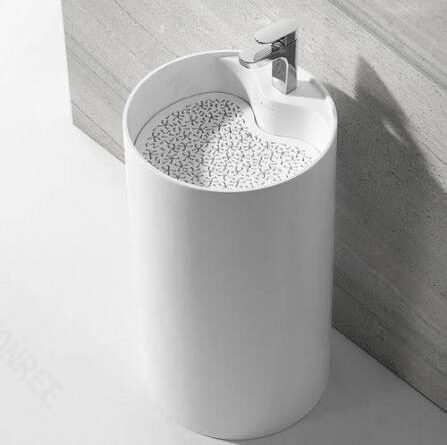
How KingKonree Addresses Quality and Performance Requirements in Global Markets
The global bathroom products industry serves customers with different expectations regarding product quality, functionality, design, and durability. Residential property owners may prioritize appearance and everyday convenience, while commercial developers often focus on consistent specifications, maintenance requirements, and suitability for frequent use. Manufacturers must understand these differences to develop products that meet the needs of various markets.
International buyers also consider technical documentation, material characteristics, manufacturing consistency, and compliance with applicable regulations before selecting bathroom products. These factors make quality management an essential part of global manufacturing. As a company operating in the solid surface and bathroom products sector, KingKonree is part of an industry where addressing diverse market requirements involves careful attention to product development, manufacturing processes, and customer expectations.
Understanding Quality Requirements Across Global Markets
Different regions have different construction practices, interior design preferences, and product expectations. A bathroom product suitable for one market may require adjustments before it can be used in another.
Manufacturers must consider several factors when developing products for international customers:
- Local construction and installation practices.
- Regional design and color preferences.
- Material performance expectations.
- Applicable product safety requirements.
- Maintenance and cleaning conditions.
- Environmental and sustainability considerations.
- Packaging and international transportation needs.
Understanding these factors helps manufacturers establish appropriate product specifications and communicate more effectively with international buyers.
Material Selection and Product Quality
Material selection is one of the most important stages in bathroom product development. It influences the appearance, fabrication possibilities, maintenance requirements, and expected performance of finished products.
Solid surface materials are commonly used in applications such as washbasins, countertops, and other interior components. Their characteristics depend on their composition, manufacturing methods, and finishing processes.
Evaluating Material Composition
Manufacturers need to understand the composition of the materials used in their products.
Technical information can help buyers evaluate whether a particular material is appropriate for the intended bathroom application.
Assessing Surface Characteristics
Surface appearance is important in both residential and commercial interiors.
Color consistency, texture, finishing quality, and visible surface imperfections should be evaluated according to established product specifications.
Considering Application Requirements
Different environments place different demands on bathroom products.
For example, fixtures used in busy commercial facilities may require different specifications from products intended for private residential bathrooms. Material selection should reflect the expected conditions of use.
Maintaining Consistent Manufacturing Standards
Manufacturing consistency is particularly important when supplying international customers or fulfilling large orders.
Variations in dimensions, surface finishes, or product construction can create installation difficulties and affect the appearance of completed projects.
Standardized Production Procedures
Documented manufacturing procedures help production teams follow consistent requirements.
These procedures may cover material preparation, molding, cutting, shaping, polishing, and final inspection.
Equipment Maintenance
Production equipment needs regular inspection and maintenance to support reliable operation.
Well-maintained machinery can help reduce avoidable production errors and improve process consistency.
Employee Training
Manufacturing personnel need appropriate training in equipment operation, material handling, fabrication techniques, and quality procedures.
Clear responsibilities and training practices support more consistent production outcomes.
Quality Control Throughout the Production Process
Quality control should take place at multiple manufacturing stages rather than relying only on a final inspection.
A structured inspection process helps identify problems early and reduces the likelihood of defective products reaching customers.
Raw Material Inspection
Incoming materials should be checked against approved specifications.
Relevant checks may include material identification, appearance, dimensions, and supplier documentation.
Production Stage Inspection
Manufacturers can inspect components during fabrication to identify dimensional errors or visible defects.
Early identification makes it easier to correct problems before additional production work is completed.
Final Product Inspection
Finished products should be evaluated against agreed quality requirements.
Depending on the product, inspection may include:
- Dimensional accuracy.
- Surface appearance and finish.
- Product construction.
- Relevant functional characteristics.
- Packaging condition.
- Conformity with approved specifications.
Clear inspection records can also help manufacturers investigate quality concerns and improve future production.
Adapting Products to Regional Design Preferences
Global markets include a wide range of interior design styles and customer preferences.
Some buyers favor minimalist bathroom products, while others prefer traditional details, distinctive shapes, or luxury-inspired finishes.
Color and Finish Options
Different markets may favor different color combinations and surface appearances.
Offering suitable design options can help manufacturers serve a wider range of architectural and residential projects.
Product Shapes and Dimensions
Bathroom layouts vary according to building standards, available space, and local construction practices.
Product dimensions and configurations should therefore be selected according to the requirements of the intended project.
Coordinated Product Designs
Consistent product styles can help architects and developers create unified bathroom interiors.
This is particularly relevant for hotels, apartment developments, and commercial buildings that contain multiple bathrooms.
Meeting Residential and Commercial Performance Expectations
Product requirements often depend on the environment in which bathroom fixtures will be installed.
Manufacturers must understand the differences between private residential use and demanding commercial applications.
Residential Bathroom Applications
Residential customers often look for products that combine comfortable everyday use with attractive designs.
Practical dimensions, convenient maintenance, and compatibility with existing bathroom layouts are important considerations.
Hotel and Hospitality Projects
Hotels may require coordinated products across guest rooms and shared facilities.
Consistency, appearance, cleaning requirements, and installation planning are important when selecting products for these projects.
Office and Public Facilities
Office buildings and public facilities may experience frequent bathroom use.
Product specifications should be evaluated according to expected traffic, maintenance schedules, and applicable safety and accessibility requirements.
Healthcare and Educational Buildings
Healthcare and educational facilities may have additional requirements involving hygiene, accessibility, and cleaning procedures.
Project teams should verify applicable regulations and technical specifications before selecting products for these environments.
Customization and Technical Support for International Projects
International projects frequently involve specific dimensions, design preferences, and installation conditions.
Customization can help manufacturers respond to these requirements when standard product configurations are unsuitable.
Customized Product Dimensions
Architects and contractors may need specific basin sizes, countertop lengths, or other product measurements.
Accurate technical drawings help communicate these requirements before production begins.
Design and Finish Coordination
Customized colors, shapes, and finishes can help products match a project’s interior design concept.
Buyers should confirm the available options and review physical samples where possible.
Technical Documentation
Clear documentation supports communication between manufacturers, distributors, designers, and contractors.
Useful information may include product dimensions, material details, installation instructions, and maintenance guidance.
Communication Across Project Stages
International projects often involve different teams working across separate locations.
Clear communication about specifications, samples, approvals, production schedules, and delivery arrangements helps reduce misunderstandings.
Packaging and Transportation for Global Distribution
Product quality must be maintained during storage and transportation.
International shipping can involve multiple handling stages, changes in environmental conditions, and extended delivery periods.
Protective Packaging
Bathroom products should be packaged according to their material, shape, weight, and transportation requirements.
Suitable protective materials can help reduce the risk of scratches, impact damage, and other handling-related problems.
Shipment Planning
Large orders may need to be coordinated with construction schedules and available storage facilities.
Accurate shipping information helps importers and project managers prepare for receiving and inspecting products.
Delivery Inspection
Buyers should check delivered products against order specifications and inspect packaging for visible damage.
Documenting any issues promptly can help support communication with the supplier and transportation provider.
Compliance and Documentation in International Markets
Different countries and regions may apply different product regulations, building requirements, and environmental standards.
Manufacturers and buyers need to understand which requirements apply to the intended product and destination market.
Understanding Applicable Standards
Product compliance requirements may relate to safety, material composition, installation, or environmental performance.
The applicable requirements depend on the product category and the market where it will be used.
Maintaining Technical Records
Technical specifications, inspection records, and supplier documentation can help buyers evaluate product suitability.
Accurate records also support more effective quality management.
Verifying Certifications
Certifications can provide evidence that a product or manufacturing process meets particular requirements.
However, buyers should confirm the certification’s scope, validity, and applicability rather than assuming that one certification covers every product or market.
Sustainability as Part of Global Product Quality
Environmental responsibility is becoming an increasingly important consideration in international purchasing decisions.
Manufacturers may evaluate material sourcing, energy consumption, waste generation, and product longevity when reviewing their production practices.
Efficient Material Usage
Optimized cutting plans and accurate production measurements can help reduce unnecessary material waste.
Product Longevity
Products suitable for long-term use may reduce the frequency of replacement.
Actual service life depends on material properties, installation quality, usage conditions, and maintenance.
Responsible Environmental Claims
Buyers should request supporting documentation when evaluating claims about recycled content, recyclability, or environmental performance.
Reliable information helps distinguish verified product characteristics from general marketing statements.
How Global Buyers Can Evaluate Bathroom Product Quality
International buyers should use a structured evaluation process before selecting a manufacturer or supplier.
The following considerations can help guide purchasing decisions:
- Review material specifications: Understand the composition and characteristics of the proposed product.
- Check manufacturing quality: Ask about production procedures and inspection methods.
- Evaluate product suitability: Confirm that dimensions and performance characteristics match the intended application.
- Request samples: Compare surface appearance, finish, and overall construction.
- Verify technical documents: Review available drawings, installation guidance, and maintenance information.
- Confirm compliance: Identify the standards and regulations applicable to the destination market.
- Discuss order requirements: Clarify customization, quantities, packaging, and delivery arrangements.
- Assess communication: Ensure that product questions and project changes can be addressed clearly.
Following these steps helps buyers compare suppliers based on technical suitability and overall reliability rather than price alone.
Future Developments in Global Bathroom Product Quality
Global market expectations will continue to influence bathroom product manufacturing.
Several developments may shape future quality and performance practices.
Greater Manufacturing Precision
Improved fabrication equipment and digital measurement systems may support more consistent product dimensions and finishes.
Advanced Material Research
Ongoing material research may create opportunities for new formulations and improved surface characteristics.
All developments will need appropriate testing to confirm their suitability for specific applications.
More Detailed Product Information
International buyers may increasingly expect clear information about material composition, maintenance, product specifications, and manufacturing quality.
Better documentation can improve purchasing confidence and simplify project coordination.
Increased Focus on Sustainable Production
Manufacturers may continue exploring ways to reduce material waste, improve resource efficiency, and provide more transparent environmental information.
Conclusion
Meeting quality and performance requirements in global bathroom markets involves more than producing visually appealing fixtures. Manufacturers must consider material selection, production consistency, quality control, customization, transportation, documentation, and the different expectations of residential and commercial buyers.
For companies operating in the solid surface and bathroom products industry, including KingKonree, these factors are important when developing products for international customers. Buyers can make more informed decisions by reviewing technical specifications, evaluating samples, confirming applicable standards, and communicating project requirements clearly. A structured approach to quality and performance helps support reliable purchasing decisions and successful bathroom projects across different markets.


