
Key Advantages of Tinned Copper Stranded Wire in Corrosion-Resistant Electrical Applications
In electrical installations, the condition of a conductor matters just as much as its ability to carry current. Moisture, salt, industrial chemicals, and changing temperatures can gradually affect exposed metal surfaces, particularly at connection points. In demanding environments, choosing a conductor with additional resistance to surface corrosion can help reduce maintenance concerns and support dependable electrical performance.
One option is Tinned Copper Stranded Wire, which combines the electrical properties of copper with a thin protective tin coating. Its stranded construction also makes it easier to route through installations that require flexibility. These characteristics make it worth considering for marine equipment, industrial control systems, outdoor electrical assemblies, and other applications where environmental exposure can be a concern.
What Is Tinned Copper Stranded Wire?
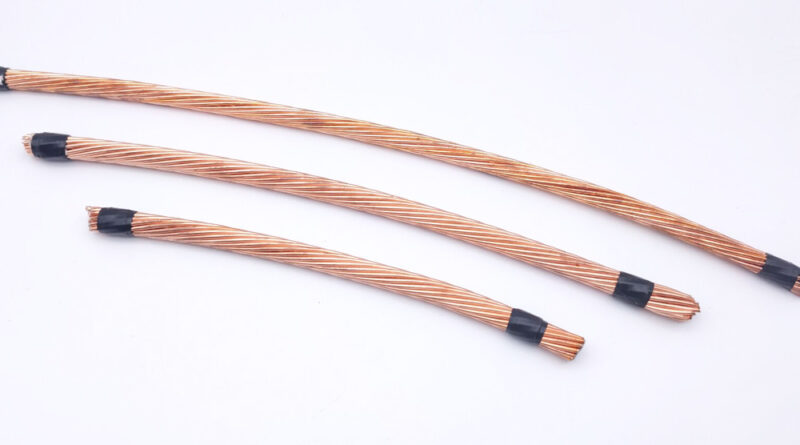
Tinned copper stranded wire is manufactured by coating individual copper strands with a layer of tin before combining them into a conductor. The copper provides the main current-carrying capability, while the tin coating helps protect the metal surface from oxidation and certain forms of corrosion.
Unlike a conductor made from a single solid copper wire, a stranded version consists of several smaller wires twisted or laid together. This construction allows the finished conductor to bend more easily, making it useful in equipment with limited installation space or components that experience movement.
The coating is typically thin, so it does not change the basic identity of the conductor: it remains a copper-based electrical wire with a protective surface treatment.
Why Add Tin to Copper?
Copper is already valued for its electrical conductivity and practical performance in electrical systems. However, its exposed surface can oxidize, particularly in humid or chemically aggressive surroundings. Tin plating provides an additional barrier between the copper and the surrounding environment.
This coating does not make the conductor immune to every type of corrosion. Its effectiveness depends on coating quality, exposure conditions, installation practices, and the condition of the finished connections. Nevertheless, it can offer useful advantages in applications where uncoated copper may be more vulnerable.
The Main Advantages of Tinned Copper Stranded Wire
Better Resistance to Surface Oxidation
One of the most important reasons for tinning copper is to help limit surface oxidation. When copper is exposed to air and moisture, it can develop oxide layers that may affect surface condition and connection performance.
The tin coating helps shield the copper beneath it. This is particularly useful in installations where conductors are exposed to humid air or frequent environmental changes.
Improved Suitability for Damp Environments
Electrical equipment used around water, condensation, or high humidity needs carefully selected materials. Tinned copper wire is often used in these settings because its coating provides an additional level of protection against environmental exposure.
Applications may include marine wiring, outdoor control panels, pumps, and equipment installed in damp industrial locations. Appropriate insulation, sealing, and enclosure protection remain necessary; tinning alone is not a complete moisture-protection solution.
Flexibility for Complicated Wiring Routes
Stranded construction is a practical advantage when wiring must pass through narrow spaces, follow curved paths, or connect components positioned at different angles.
The individual strands allow the conductor to bend more readily than a comparable solid wire. This can simplify assembly in control cabinets, machinery, vehicles, and electrical equipment.
Flexibility is also influenced by strand count and individual strand diameter. Buyers should therefore check the actual construction rather than assume that every stranded conductor offers the same bending performance.
More Reliable Connection Surfaces
Electrical connections are common points of weakness in an installation. Oxidation and corrosion around terminals can contribute to increased contact resistance, overheating, or intermittent operation.
Tin-plated strands can provide a useful surface for compatible terminals and connection systems. Correct crimping, suitable connectors, and proper installation torque are still essential to achieving a stable connection.
Easier Handling and Assembly
Stranded wire is generally easier to position in compact electrical assemblies than a rigid solid conductor. This can reduce installation difficulty when routing wires through machinery, instrument panels, or equipment enclosures.
The tin coating can also help keep the strands’ surfaces protected during storage and handling, provided the wire is stored and used according to the manufacturer’s recommendations.
Where Is Tinned Copper Stranded Wire Commonly Used?
The combination of copper conductivity, surface protection, and flexible construction makes this wire relevant to several sectors. Its suitability in each case depends on voltage, current, temperature, mechanical stress, and applicable electrical standards.
Marine and Shipboard Electrical Systems
Salt-laden air and persistent moisture make marine environments especially demanding for electrical materials. Wiring in boats, ships, and offshore equipment may be exposed to conditions that accelerate corrosion at metal surfaces and terminals.
Tinned copper stranded wire is commonly considered for marine electrical assemblies because the coating helps protect individual copper strands. The finished cable must still have insulation, connectors, and protective construction rated for the specific marine application.
Industrial Control Cabinets
Control cabinets contain wiring for sensors, relays, switches, motors, and automation equipment. The wires may need to pass through compact spaces and connect to numerous terminal blocks.
Stranded conductors are useful for this type of assembly because they are easier to route and arrange. Tinning can provide additional surface protection where humidity or industrial atmospheric conditions are relevant.
Automotive and Transportation Equipment
Vehicles contain extensive electrical harnesses that connect lighting, control units, sensors, motors, and other components. These wires may experience vibration, temperature variation, and moisture exposure.
Flexible stranded conductors are suitable for many harness applications. Tinned copper versions may be selected where additional corrosion resistance is desirable, subject to the vehicle manufacturer’s specifications and relevant automotive standards.
Outdoor Electrical Installations
Outdoor equipment can be exposed to rain, humidity, temperature changes, and airborne contaminants. These conditions make conductor and connector selection important.
Tinned copper stranded wire may be used in suitable outdoor assemblies, but it must be paired with appropriate insulation, cable glands, weatherproof enclosures, and installation methods.
Renewable Energy Equipment
Solar and other renewable energy systems often include outdoor electrical connections and equipment exposed to changing weather. Conductors used in these installations must meet the project’s electrical ratings and environmental requirements.
Tinned copper may be suitable for selected internal wiring, control connections, and other specified applications. It should not be treated as a substitute for cables certified for photovoltaic or other specialized uses.
Tinned Copper vs. Bare Copper Stranded Wire
Both conductor types use copper as their primary conductive material, but their surface treatments differ. That distinction can influence which option is appropriate for a particular installation.
| Comparison | Tinned Copper Stranded Wire | Bare Copper Stranded Wire |
|---|---|---|
| Surface | Copper strands coated with tin | Exposed copper strands |
| Corrosion protection | Additional protection from tin coating | Relies on copper’s natural surface characteristics and installation environment |
| Conductivity | High, with copper carrying most of the current | High |
| Flexibility | Depends on strand construction | Depends on strand construction |
| Typical consideration | Damp, humid, or corrosive environments | Applications where uncoated copper is suitable |
| Cost | Often higher due to additional processing | Generally simpler to manufacture |
Neither option is automatically the right choice for every project. Bare copper may be entirely suitable in controlled environments or applications where it is specified by the design. Tinned copper is worth considering when the operating conditions make additional surface protection beneficial.
What to Check Before Purchasing
A conductor’s appearance cannot confirm whether it meets the technical requirements of an installation. Before placing an order, compare its specifications with the electrical design and the conditions in which it will operate.
Conductor size and cross-sectional area: Confirm that the wire is rated for the required current and installation conditions. The appropriate size depends on factors such as load, conductor length, ambient temperature, and installation method.
Strand count and diameter: These characteristics influence flexibility and handling. Equipment with tight routing spaces may require a finer-stranded construction.
Tin coating quality: Ask about coating consistency, thickness, and manufacturing controls. A uniform coating helps ensure that the product has been processed as intended.
Copper material: Check the copper grade and relevant material specifications. Electrical performance should be supported by reliable product documentation.
Insulation requirements: Bare tinned strands and insulated tinned copper cable are different products. Select insulation suitable for the voltage, temperature, chemicals, and physical conditions of the installation.
Applicable certifications: Verify that the product complies with the standards required for its intended industry and market. Marine, automotive, industrial, and building applications may have different approval requirements.
Installation Considerations for Long-Term Performance
Even a corrosion-resistant conductor can develop problems if it is installed incorrectly. Good workmanship is therefore essential.
Start by selecting terminals and connectors that are compatible with tinned copper. Follow the connector manufacturer’s instructions for stripping, crimping, tightening, and any required preparation. Avoid damaging the strands during stripping, as broken wires can reduce the effective conductor area and affect mechanical reliability.
Other useful practices include:
- Keep conductors within their specified bend radius.
- Use suitable strain relief where wires may experience movement or vibration.
- Protect connections from water entry and chemical contamination.
- Avoid direct contact with incompatible metals unless an approved connection method is used.
- Label and organize wiring to simplify future inspection.
- Check completed connections for mechanical security and electrical continuity.
Where conductors are installed in environments with significant salt exposure or industrial contaminants, inspection intervals should reflect the actual operating conditions.
Does Tinned Copper Wire Eliminate Corrosion?
No. Tinning improves the resistance of the copper surface to certain forms of oxidation and corrosion, but it does not provide unlimited protection.
The coating may be damaged by abrasion, poor handling, excessive heat, or unsuitable installation methods. Moisture can also enter through damaged insulation or poorly sealed connections. In addition, the presence of dissimilar metals can create galvanic corrosion risks under certain conditions.
For this reason, tinned copper should be viewed as one part of a broader material-selection and protection strategy. Proper enclosure design, compatible connectors, suitable insulation, and regular maintenance remain important.
Choosing a Conductor That Matches the Environment
The best conductor is not necessarily the one with the most elaborate construction. It is the one that meets the electrical requirements while tolerating the physical and environmental conditions of its intended use.
Tinned copper stranded wire offers a useful combination of conductivity, flexibility, and additional surface protection. These properties make it a practical option for many marine, industrial, transportation, and outdoor electrical applications.
Before choosing a product, assess the required conductor size, strand construction, coating quality, insulation, and relevant certifications. Matching these details to the installation helps avoid premature connection problems and supports dependable service over time.


