
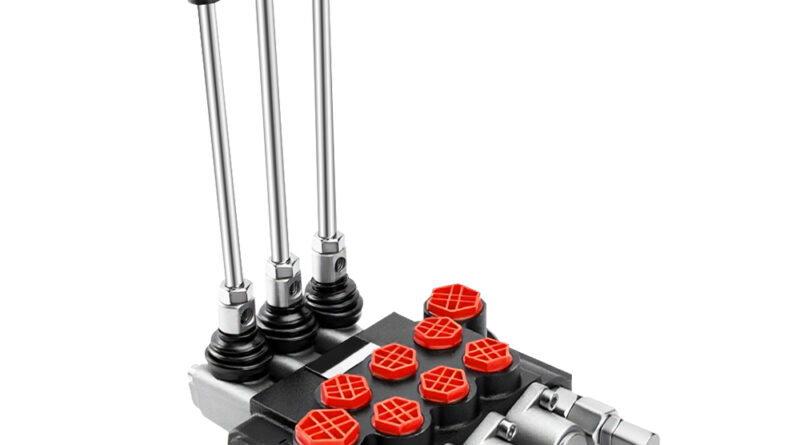
Customized Hydraulic Control Valve Solutions for Complex Hydraulic Systems
Complex hydraulic systems often combine multiple actuators, pressure zones, flow paths, and control functions within a single machine. As system requirements become more specialized, selecting a valve based solely on standard specifications may not provide the required combination of performance, compatibility, and installation flexibility.
A customized hydraulic control valve can be developed around the specific requirements of a hydraulic circuit. Instead of adapting the entire system to a standard component, engineers can consider factors such as pressure, flow, port configuration, mounting dimensions, actuation, and environmental conditions when defining the valve.
Understanding Complex Hydraulic Systems
A complex hydraulic system may contain several control valves working together to operate different functions. Each section can have its own pressure, flow, timing, or movement requirements.
For example, mobile machinery may need independent control of lifting, steering, gripping, and auxiliary functions. Industrial equipment may require synchronized actuator movement and precise pressure management. These differences make proper valve configuration particularly important.
Why Standard Valves May Not Be Enough
Standard hydraulic valves are designed around commonly used operating conditions. They are practical for many applications, but their fixed dimensions and specifications can create challenges when equipment has unusual requirements.
Common limitations can include:
- Incompatible port arrangements
- Restricted installation space
- Specific pressure or flow requirements
- Unusual mounting dimensions
- Specialized actuation requirements
- Compatibility issues with existing components
In these situations, modifying the surrounding hydraulic circuit to accommodate a standard valve may add unnecessary complexity.
Designing for Pressure Requirements
Pressure management is fundamental to hydraulic system performance. A valve must withstand the system’s normal operating pressure while also accommodating temporary pressure increases that may occur during demanding cycles.
When developing a custom valve, engineers should evaluate maximum working pressure, pressure fluctuations, and the requirements of connected actuators. Appropriate materials and internal components can then be selected according to these conditions.
Managing Flow in Multiple Circuits
Complex systems frequently require different flow rates for different hydraulic functions. A valve that provides insufficient flow can restrict actuator performance, while excessive flow capacity may result in inefficient control or unnecessary pressure losses.
Custom valve configurations can be developed with the required flow paths and control characteristics in mind. This can be particularly useful when several hydraulic functions operate simultaneously.
Flexible Port and Connection Design
Hydraulic connections must be carefully matched to the existing system. Port size, location, thread type, and orientation can all affect installation.
Custom valve bodies can accommodate application-specific connection arrangements. This flexibility may simplify hydraulic routing and reduce the number of additional fittings needed to connect the valve to other components.
Compact Designs for Limited Spaces
Hydraulic equipment is not always designed with generous space around its control components. Mobile machinery, compact industrial equipment, and integrated hydraulic assemblies can have particularly tight installation constraints.
A custom valve can be designed with these physical limitations in mind. Adjusting the body dimensions, mounting points, or port positions can help the component fit within the available space.
Selecting the Right Actuation Method
The method used to operate a hydraulic valve depends on the machine’s control architecture. Manual operation may be suitable for simple equipment, while electrically controlled valves are often used in automated systems.
Other applications may require hydraulic or mechanical actuation. When developing a custom solution, the actuation method can be considered alongside response time, control accuracy, available power, and environmental conditions.
Materials and Environmental Resistance
Hydraulic components may operate in challenging environments. Exposure to moisture, dust, chemicals, vibration, high temperatures, or low temperatures can influence valve durability.
Material selection should therefore consider both mechanical requirements and environmental exposure. Valve body materials, internal components, seals, and surface treatments can be selected according to the conditions expected during service.
Integration With Existing Equipment
One of the most important considerations for a complex hydraulic system is compatibility with existing equipment. Replacing or adding a valve should not create problems elsewhere in the circuit.
A custom design can take existing hose connections, mounting arrangements, pressure requirements, and control interfaces into account. This can make integration more straightforward and reduce the need for extensive modifications.
Supporting Precise Hydraulic Control
Some machines require more than simple on-and-off fluid control. Applications involving positioning, synchronized movement, or controlled speed may require carefully defined valve characteristics.
Factors such as flow stability, pressure response, spool configuration, and actuation behavior can influence the precision of hydraulic movement. These characteristics should be evaluated according to the machine’s actual operating cycle.
Testing Custom Hydraulic Valves
Testing is an essential stage in developing a valve for a complex hydraulic application. The objective is to confirm that the finished component performs as expected under relevant operating conditions.
Testing may cover pressure resistance, internal and external leakage, flow performance, actuation, dimensional accuracy, and functional response. For demanding applications, endurance testing can provide additional information about long-term reliability.
Maintenance and Serviceability
A complex hydraulic system can already be challenging to maintain, so valve design should not make service work unnecessarily difficult.
Serviceability can be considered through accessible components, replaceable seals, practical mounting arrangements, and clear maintenance procedures. Designing with maintenance in mind can help technicians inspect and service the hydraulic system more efficiently.
Applications for Custom Valve Solutions
Custom hydraulic valve configurations can be useful in systems with specialized operating requirements. Potential applications include:
- Construction and earthmoving machinery
- Agricultural equipment
- Automated production systems
- Material handling machinery
- Machine tools
- Mining equipment
- Injection molding systems
- Marine equipment
- Specialized hydraulic power units
Each application requires a different balance of pressure, flow, control, durability, and physical integration.
Key Specifications to Define
Before beginning a custom hydraulic valve project, engineers should document the operating requirements as accurately as possible.
Important specifications include:
- Normal and maximum hydraulic pressure
- Required flow rate
- Hydraulic fluid type
- Operating temperature
- Port sizes and connection types
- Mounting dimensions
- Actuation method
- Available installation space
- Required response characteristics
- Expected operating cycle
A complete specification gives designers a clearer understanding of the system and helps prevent compatibility issues later in development.
Balancing Customization and Simplicity
Customization should solve a defined engineering problem rather than add complexity without a clear purpose. Every additional feature can affect manufacturing, maintenance, testing, and cost.
For this reason, an effective custom valve design focuses on the functions that are genuinely required. Keeping the design as simple as possible while meeting performance requirements can support easier manufacturing and long-term service.
Conclusion
Complex hydraulic systems require careful coordination between pressure, flow, control, mechanical installation, and environmental factors. When standard valves cannot accommodate these requirements, a custom approach can provide greater flexibility in both hydraulic performance and physical integration.
A successful customized hydraulic control valve solution begins with a detailed understanding of the complete system. By defining operating conditions, connection requirements, control methods, materials, testing procedures, and maintenance needs, engineers can develop valve configurations that are better suited to specialized hydraulic equipment and demanding industrial applications.