BOPP Film Manufacturers and Their Role in Flexible Packaging Industry
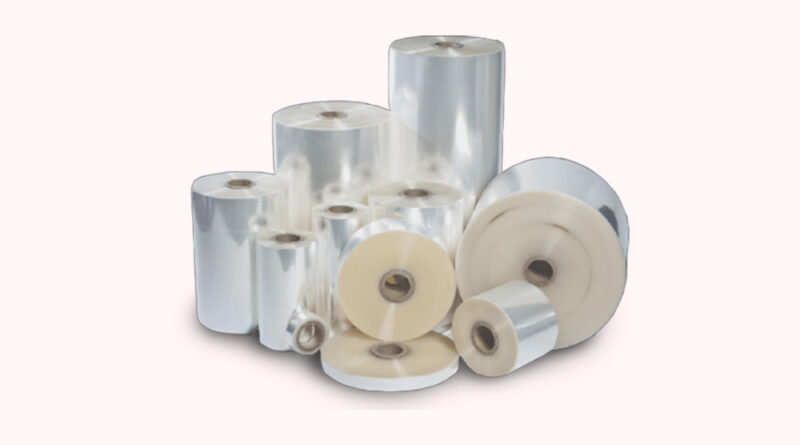
Biaxially Oriented Polypropylene (BOPP) film has become a cornerstone material in modern flexible packaging due to its durability, clarity, and cost-effectiveness. It is widely used across food, pharmaceutical, and consumer goods industries where product protection and visual appeal are equally important. As global packaging needs continue to evolve, the demand for high-performance films is steadily increasing.
In this competitive landscape, BOPP film manufacturers play a vital role in ensuring consistent quality and innovation across production lines. They are responsible for transforming raw polypropylene into high-performance films through advanced stretching and finishing processes. Their expertise directly impacts key properties such as tensile strength, gloss, barrier protection, and printability, which are essential for modern packaging applications.
Understanding BOPP Film in Flexible Packaging
BOPP film is a thermoplastic polymer film that is stretched in both machine and transverse directions during production. This biaxial orientation enhances its physical and optical properties, making it suitable for a wide range of packaging solutions.
In flexible packaging, BOPP film is valued for its ability to protect products while maintaining lightweight efficiency. It helps extend shelf life, improve branding visibility, and reduce material costs compared to traditional packaging materials.
Role of BOPP Film in the Flexible Packaging Industry
Flexible packaging has become one of the fastest-growing segments in the global packaging market. It is favored for its adaptability, sustainability potential, and cost efficiency. BOPP film plays a central role in this growth due to its versatile performance characteristics.
Some of the key contributions of BOPP film in this sector include:
- Enhancing product shelf appeal through high clarity and gloss
- Providing moisture and oxygen resistance for food preservation
- Supporting high-quality printing for branding and labeling
- Reducing packaging weight while maintaining strength
These advantages make BOPP film a preferred choice for manufacturers aiming to balance performance with sustainability goals.
Manufacturing Process of BOPP Film
The production of BOPP film involves a series of precisely controlled stages designed to optimize material properties.
Extrusion Stage
Polypropylene pellets are melted and formed into a flat sheet. This initial stage determines the film’s base thickness and uniformity.
Orientation Process
The film is stretched in two directions:
- Machine Direction Orientation (MDO) improves tensile strength
- Transverse Direction Orientation (TDO) enhances flexibility and dimensional stability
This biaxial stretching is what gives BOPP film its superior performance characteristics.
Heat Setting and Surface Treatment
After orientation, the film is heat-set to stabilize molecular structure. Surface treatments like corona discharge improve print adhesion and coating compatibility.
Key Benefits of BOPP Film
BOPP film offers a wide range of benefits that contribute to its widespread adoption in flexible packaging:
- High tensile strength and durability
- Excellent moisture and barrier protection
- Superior transparency and gloss for product visibility
- Lightweight nature that reduces transportation costs
- Strong resistance to chemicals and environmental stress
These properties make it suitable for both primary and secondary packaging applications across industries.
Common Applications of BOPP Film
The versatility of BOPP film allows it to be used in multiple packaging formats and industries. Some of the most common applications include:
- Food packaging such as snacks, confectionery, and bakery items
- Labeling solutions for bottles, containers, and retail products
- Adhesive tapes and industrial laminates
- Pharmaceutical packaging requiring hygiene and barrier protection
- Decorative wrapping and lamination films
Its adaptability continues to expand as new packaging technologies emerge.
Industry Trends and Future Outlook
The flexible packaging industry is undergoing significant transformation driven by sustainability and innovation. BOPP film is evolving alongside these trends, with manufacturers focusing on recyclable structures and improved material efficiency.
Key developments shaping the future include:
- Increased demand for eco-friendly and recyclable films
- Advanced coating technologies for enhanced barrier properties
- Lightweight packaging solutions to reduce carbon footprint
- Automation and digital monitoring in production processes
These advancements are expected to further strengthen the role of BOPP film in global packaging systems.
Conclusion
BOPP film has established itself as an essential material in the flexible packaging industry due to its strength, clarity, and versatility. Its ability to meet the demands of modern packaging applications makes it a preferred choice across multiple sectors.
As innovation continues to drive the industry forward, BOPP film manufacturers will remain central to improving performance, sustainability, and efficiency. Their ongoing advancements ensure that BOPP film will continue to support the evolving needs of global packaging markets.