
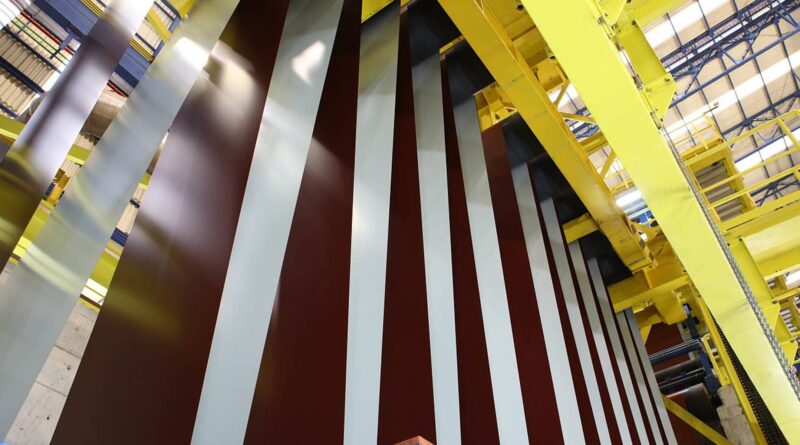
Color Coating Line Technology and Surface Treatment Methods
In modern metal processing industries, surface treatment technology is essential for improving corrosion resistance, durability, and aesthetic value of metal products. Among the most advanced solutions, a color coating line is widely used for producing pre-painted steel and aluminum coils with consistent quality and long service life. It combines mechanical, chemical, and thermal processes into a continuous production system designed for efficiency and precision.
A well-designed color coating line integrates multiple surface treatment stages, ensuring that metal substrates are properly cleaned, chemically prepared, coated, and cured. This controlled workflow not only enhances adhesion strength but also allows manufacturers to achieve a wide variety of surface finishes suitable for different industrial applications.
Understanding Color Coating Line Technology
Color coating line technology refers to an automated system that applies organic coatings on metal coils in a continuous process. The system is engineered to maintain strict control over coating thickness, temperature, and line speed to ensure consistent product quality.
The core principle behind this technology is to improve both functional performance and visual appearance of metal surfaces. By combining advanced automation with precise chemical treatment, the process delivers high-quality coated materials used in construction, appliances, and industrial manufacturing.
Key Surface Treatment Methods Used in the Process
Surface treatment is one of the most critical stages in a color coating line. It determines how well the coating adheres to the metal substrate and how long the final product will last under different environmental conditions.
1. Degreasing and Cleaning
The first step involves removing oil, dirt, and other contaminants from the metal surface. This is typically done using alkaline cleaning solutions or specialized detergents.
A clean surface ensures:
- Better coating adhesion
- Reduced risk of coating defects
- Improved overall surface uniformity
2. Rinsing and Surface Activation
After cleaning, the metal strip is thoroughly rinsed with water to remove chemical residues. This step is essential to prevent contamination in later stages.
Surface activation may also be performed to prepare the metal for chemical bonding with the coating layer.
3. Chemical Conversion Coating
This stage involves applying a thin chemical layer on the metal surface, often based on phosphate or chromium-free formulations. It enhances corrosion resistance and improves bonding between the metal and paint layers.
Conversion coating is a key factor in extending the lifespan of coated metal products, especially in harsh environmental conditions.
4. Primer Coating Application
Once surface preparation is complete, a primer layer is applied using precision roller coating equipment. The primer serves as the foundation for subsequent layers and significantly improves adhesion and corrosion protection.
This layer must be uniform and carefully controlled to avoid defects such as streaking or uneven thickness.
5. Top Coating and Color Application
The top coat provides the final appearance and environmental resistance of the product. It defines color, gloss level, and texture.
Modern systems allow a wide range of finishes, including:
- Matte or glossy surfaces
- Metallic effects
- Textured coatings
This flexibility makes the technology highly valuable for architectural and decorative applications.
6. Curing and Heat Treatment
After coating, the metal strip passes through a high-temperature curing oven. This step solidifies the paint layers and ensures strong adhesion to the substrate.
Proper curing ensures:
- High mechanical strength
- Improved scratch resistance
- Long-term weather durability
Temperature control is critical to avoid discoloration or coating defects.
Importance of Automation in Surface Treatment
Automation plays a major role in modern color coating line systems. Advanced control systems regulate line speed, temperature, and coating thickness in real time, ensuring stable production quality.
Key advantages of automation include:
- Reduced human error
- Higher production efficiency
- Consistent product quality
- Lower material waste
Industrial Applications of Coated Metal Products
Metal sheets processed through color coating lines are used across various industries due to their durability and aesthetic flexibility.
Common applications include:
- Building roofing and wall systems
- Home appliances such as refrigerators and ovens
- Automotive interior and exterior components
- Industrial panels and enclosures
These applications benefit from both corrosion protection and decorative appeal.
Conclusion
Color coating line technology represents a highly advanced and efficient approach to metal surface treatment. By integrating cleaning, chemical treatment, coating, and curing into a continuous process, it ensures superior quality and performance of finished metal products.
With increasing demand for durable and visually appealing materials, surface treatment methods within a color coating line continue to evolve, offering greater precision, efficiency, and versatility for modern industrial applications.