
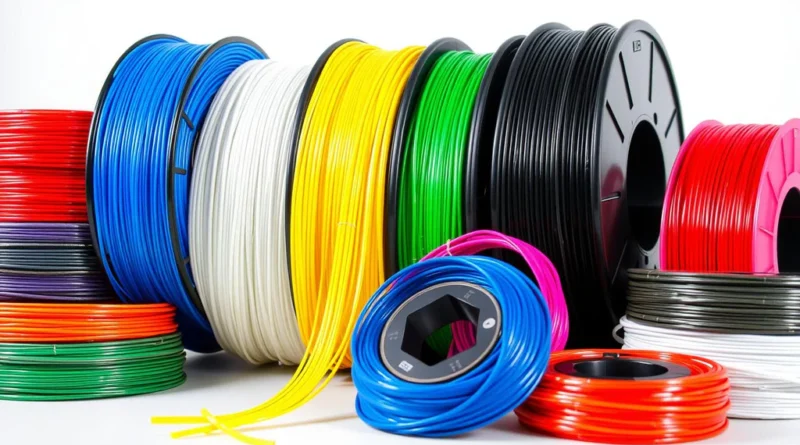
PET Material Benefits: Lightweight, Recyclable, and Durable
PET, or Polyethylene Terephthalate, is one of the most widely used thermoplastic materials in modern manufacturing. It is valued for its excellent balance of lightweight structure, mechanical strength, and recyclability. From packaging and textiles to industrial components, PET has become a standard material across multiple industries due to its versatility and cost efficiency.
Its widespread use is driven by a combination of performance and practicality. PET can be molded into rigid or flexible forms, making it suitable for both consumer goods and technical applications. Its transparency, durability, and chemical resistance further enhance its appeal in competitive manufacturing environments.
Understanding material options such as PET is essential for industries that require reliable performance with minimal environmental impact. It offers a strong combination of physical stability and processing flexibility, which allows manufacturers to create everything from beverage bottles to engineering-grade components. Its adaptability continues to make it a preferred choice in both mass production and specialized use cases.
Lightweight Structure with High Strength
One of the most important benefits of PET is its lightweight nature. Despite being light, it maintains impressive mechanical strength, which makes it ideal for packaging and transportation industries. Products made from PET are easier to handle, ship, and store, reducing overall logistics costs.
At the same time, PET provides excellent tensile strength, meaning it can withstand stretching and pressure without breaking. This combination of low weight and high strength is especially valuable in applications such as beverage bottles, where durability and portability are both required.
Excellent Recyclability and Environmental Value
PET is widely recognized for its recyclability. It can be collected, processed, and reused multiple times without significant loss of quality in many applications. This makes it an important material in efforts to reduce plastic waste and support circular economy models.
Recycled PET, often used in textiles and packaging, helps reduce dependency on virgin plastic production. It also lowers energy consumption and carbon emissions during manufacturing. These environmental advantages have made PET a key material in sustainability-focused industries.
However, the effectiveness of PET recycling depends on proper waste management systems. When collected efficiently, it becomes one of the most sustainable plastic options available today.
Durability and Chemical Resistance
Another major advantage of PET is its durability. It is resistant to many chemicals, moisture, and environmental factors, which helps maintain product integrity over time. This makes it especially useful for food and beverage packaging, where protection from external contamination is critical.
PET also performs well under normal temperature conditions, maintaining its structure without deforming easily. While it is not intended for high-heat environments, it offers reliable performance in everyday applications.
Its resistance to impact further enhances its durability, reducing the risk of breakage during handling or transportation. This makes it a safer alternative to more brittle plastics in many scenarios.
Transparency and Aesthetic Appeal
PET is naturally clear, which makes it ideal for packaging applications where product visibility is important. Consumers often prefer packaging that allows them to see the contents, and PET provides this transparency without compromising strength.
In addition to clarity, PET also has a smooth surface finish that enhances its visual appeal. This makes it suitable for branding and product presentation, especially in retail environments where appearance plays a key role in consumer decisions.
Common Applications of PET
PET is used across a wide range of industries due to its versatility. Its properties allow it to be adapted for both rigid and flexible applications.
Some common uses include:
- Beverage bottles and food containers
- Polyester fibers for clothing and upholstery
- Packaging films for food preservation
- Electrical insulation materials
- Automotive interior components
In the textile industry, PET is processed into polyester fibers that are widely used in clothing, home furnishings, and industrial fabrics. These fibers are durable, wrinkle-resistant, and cost-effective, making them highly popular worldwide.
Processing and Manufacturing Flexibility
PET is relatively easy to process using standard manufacturing techniques such as injection molding, blow molding, and extrusion. This allows manufacturers to produce a wide variety of shapes and products efficiently.
Its ability to maintain dimensional stability during processing ensures consistent product quality. This is particularly important in industries where precision and uniformity are required.
Manufacturers also benefit from PET’s compatibility with high-speed production systems, making it suitable for large-scale industrial use.
Advantages and Limitations
While PET offers many benefits, it is important to understand its limitations as well.
Advantages
- Lightweight yet strong structure
- High recyclability and sustainability potential
- Excellent clarity and aesthetic appeal
- Good resistance to moisture and chemicals
Limitations
- Moderate heat resistance compared to engineering plastics
- Can become brittle under long-term stress in certain conditions
- Not suitable for high-temperature industrial processes without modification
Despite these limitations, PET remains one of the most efficient and widely used plastics due to its balanced performance profile.
Conclusion
PET continues to play a crucial role in modern manufacturing due to its unique combination of lightweight structure, durability, and recyclability. Its versatility allows it to be used across packaging, textiles, automotive, and industrial applications, making it one of the most important thermoplastics in the global market.
As sustainability becomes increasingly important, PET’s recyclability further strengthens its value. With ongoing improvements in recycling technologies and material processing, PET is expected to remain a key material in both industrial and consumer applications for years to come.