
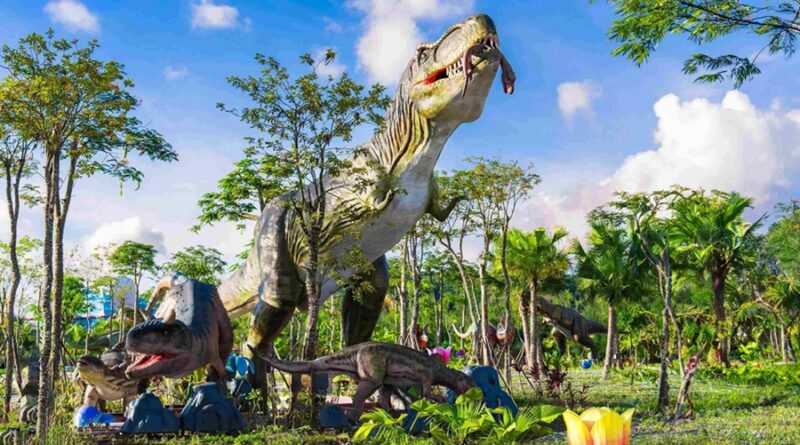
Realistic Animal Models: How Detailed Designs Enhance Theme Parks, Museums, and Exhibitions
Realistic animal models have become an important part of modern entertainment, education, and exhibition design. From lifelike wildlife displays to interactive mechanical creatures, these models help recreate the natural world in environments where visitors can observe animals up close. Their detailed appearance and carefully designed features make them valuable additions to theme parks, museums, zoos, educational centers, and commercial exhibitions.
A high-quality Realistic Animal Model combines artistic craftsmanship, advanced materials, and, in some cases, mechanical technology to reproduce the appearance of real animals. Detailed skin textures, accurate body proportions, natural colors, and realistic facial expressions contribute to their visual appeal. When used effectively, these models can transform ordinary exhibition spaces into engaging environments that encourage curiosity and learning.
What Are Realistic Animal Models?
Realistic animal models are carefully designed replicas that reproduce the physical characteristics of different animal species. They may represent mammals, reptiles, birds, marine creatures, or extinct animals.
Unlike simple decorative figures, realistic models focus on anatomical accuracy and natural details. Manufacturers study animal photographs, physical references, and biological characteristics to recreate recognizable features.
Depending on their purpose, these models can be divided into several categories:
- Static animal models: Designed primarily for decoration, educational displays, and themed environments.
- Animatronic animal models: Equipped with mechanical systems that produce movements and interactive actions.
- Educational replicas: Created to demonstrate animal anatomy, habitats, and biological characteristics.
- Customized display models: Developed according to specific exhibition themes, dimensions, and design requirements.
Each type serves a different purpose, making it important to select a suitable design for the intended application.
How Detailed Designs Improve Realism
The quality of an animal model depends heavily on its design details. Even small differences in body proportions, surface textures, and facial features can influence how realistic the finished figure appears.
1. Accurate Body Proportions
Correct anatomy is one of the most important elements of realistic animal modeling. Manufacturers must consider the animal’s body structure, limb proportions, head shape, and natural posture.
For example, a model of a tiger should accurately represent its muscular body, powerful legs, facial structure, and characteristic tail. Similarly, an elephant replica requires carefully proportioned ears, a trunk, tusks, and a large body structure.
Accurate proportions help make models more recognizable and suitable for educational presentations.
2. Detailed Skin and Surface Textures
Surface detailing gives animal models a more natural appearance. Different species require different textures depending on their biological characteristics.
Common examples include:
- Fur patterns and hair-like surface details for mammals.
- Scales and textured skin for reptiles.
- Feather patterns for birds.
- Smooth or specialized surfaces for marine animals.
- Wrinkles and skin folds for elephants and other large mammals.
Manufacturers may use silicone, rubber, fiberglass, resin, and other specialized materials to achieve the required appearance.
3. Realistic Colors and Finishing
Color accuracy plays an important role in animal model production. Natural color variations, markings, and shading help reproduce the appearance of different species.
Artists often apply multiple paint layers and finishing techniques to create depth and realistic surface patterns.
For example, the distinctive stripes of a zebra or the spotted coat of a leopard require careful detailing to achieve a convincing result.
4. Facial Expressions and Small Features
Facial details can make a significant difference in the final appearance of an animal replica.
Eyes, ears, noses, mouths, teeth, and other small features should reflect the characteristics of the species. Attention to these elements helps create a more lifelike expression and improves the overall quality of the display.
Materials Used in Realistic Animal Model Manufacturing
Material selection affects the appearance, durability, weight, and maintenance requirements of animal models.
Different materials are suitable for different applications, depending on whether the model will be installed indoors, outdoors, or in an interactive exhibition.
Fiberglass
Fiberglass is widely used for decorative animal sculptures because it offers structural strength and can be molded into detailed shapes.
It is suitable for large static displays, themed attractions, and outdoor decorative installations when properly finished and protected.
Silicone
Silicone is valued for its flexibility and ability to reproduce detailed surface features. It is particularly useful when a model requires realistic skin textures or flexible body parts.
It can also be incorporated into certain animatronic designs.
Rubber and Flexible Materials
Specialized rubber materials are used to create flexible exterior surfaces and moving sections. Their properties vary according to the intended application and environmental requirements.
Metal Frameworks
Metal frameworks provide internal structural support for larger models and animatronic figures. They help maintain stability while supporting mechanical components.
For moving animal models, the framework must also accommodate the required movement range and operating forces.
The Role of Animatronic Technology in Animal Models
Modern technology has expanded the possibilities of realistic animal displays. Animatronic systems allow certain models to move and respond to their surroundings rather than remaining completely stationary.
These systems combine mechanical engineering, electronics, and programmed controls.
Mechanical Movements
Motors and actuators can control different body parts to reproduce natural-looking actions.
Depending on the design, movements may include:
- Head turning and nodding.
- Mouth opening and closing.
- Eye blinking.
- Tail movement.
- Neck and body movement.
- Simulated breathing.
The movement capabilities depend on the model’s complexity and intended operating environment.
Sound Effects
Some animatronic animal models include integrated speakers that reproduce species-related sounds.
Examples include roaring lions, trumpeting elephants, bird calls, and other animal-inspired audio effects.
Synchronizing sounds with movements can make the display more engaging and realistic.
Sensors and Interactive Controls
Advanced models may include motion sensors or proximity detectors that activate specific movements when visitors approach.
This technology is useful in museums, family attractions, and interactive exhibitions where visitor participation is an important part of the experience.
Applications of Realistic Animal Models
Realistic animal replicas are used across many industries because they offer a combination of visual appeal, educational value, and creative flexibility.
Theme Parks and Entertainment Attractions
Theme parks use animal models to develop themed environments, wildlife trails, adventure zones, and interactive attractions.
Realistic lions, elephants, giraffes, bears, and prehistoric creatures can help establish different environments and improve the overall visitor experience.
Animatronic versions add another dimension through movement and sound effects, making the attraction more immersive.
Museums and Educational Centers
Museums use realistic animal replicas to help visitors understand wildlife and biodiversity.
These models can demonstrate animal anatomy, physical adaptations, and species characteristics. They are particularly useful when displaying rare, endangered, or extinct animals that visitors cannot easily observe in real life.
Educational information boards can be placed alongside the models to provide additional scientific context.
Zoos and Wildlife Exhibitions
Animal replicas can complement zoo environments and wildlife exhibitions by providing decorative or educational displays.
They may also be used in areas where interactive presentations or themed installations are required.
For wildlife education, realistic replicas can help illustrate species that live in distant habitats.
Shopping Centers and Commercial Displays
Shopping malls and commercial venues often use realistic animal models to create visually interesting themed spaces.
Large figures can serve as decorative attractions, photography locations, or seasonal exhibition features.
Customized models can also support promotional events and themed marketing activities.
Trade Shows and Public Exhibitions
At trade shows, realistic animal models can help businesses create distinctive exhibition booths and attract attention.
Their size, appearance, and customization possibilities make them suitable for nature-themed events, educational campaigns, and entertainment exhibitions.
How to Choose the Right Realistic Animal Model
Selecting an appropriate model requires careful consideration of the intended use, available space, budget, and desired level of realism.
Identify the Purpose of the Display
Start by deciding whether the model will be used for decoration, education, entertainment, or interactive activities.
A museum may prioritize anatomical accuracy, while a theme park may focus more on visual impact and mechanical movements.
Understanding the objective makes it easier to select the right model type.
Consider Size and Installation Space
The model’s dimensions should match the available installation area.
Large figures can create an impressive visual effect but may require additional structural support, transportation arrangements, and installation equipment.
Measure the available space and consider visitor pathways, viewing distances, and maintenance access before making a decision.
Evaluate Material Quality
Ask manufacturers about the materials used for both internal structures and exterior surfaces.
For outdoor installations, resistance to sunlight, rain, humidity, and temperature changes should be considered.
The material should also be suitable for the model’s intended level of movement and visitor interaction.
Review Customization Options
Customization allows buyers to select specific species, colors, dimensions, surface details, and mechanical features.
This is particularly useful when developing a themed exhibition or creating displays that need to match an existing environment.
Check Manufacturer Experience
Review previous projects, product photographs, demonstration videos, and available technical specifications.
For animatronic models, request videos showing the actual movements and sound functions.
It is also important to understand warranty conditions, replacement-part availability, and after-sales support.
Maintenance and Long-Term Durability
Regular maintenance helps preserve the appearance and functionality of realistic animal models.
Static figures generally require cleaning, surface inspections, and occasional repainting or protective treatment.
Animatronic models require additional attention because their mechanical and electronic systems contain moving components.
Important maintenance activities include:
- Inspecting motors, actuators, and mechanical joints.
- Checking electrical connections and control systems.
- Cleaning exterior surfaces using suitable methods.
- Repairing cracks, scratches, or damaged coatings.
- Testing sensors and sound equipment.
- Checking structural supports and mounting points.
Outdoor models may need more frequent inspections because weather exposure can gradually affect their materials and finishes.
Following the manufacturer’s maintenance recommendations can help extend the useful life of an installation.
Future Trends in Realistic Animal Model Design
Developments in robotics, materials science, and digital technology are creating new opportunities for realistic animal displays.
Improved flexible materials may allow manufacturers to reproduce more detailed textures and natural-looking movements. Advanced control systems can also support smoother animation and more responsive interactions.
Artificial intelligence and sensor-based technology may introduce more adaptive behaviors, allowing certain models to respond differently to visitor activity.
Augmented reality could further improve educational exhibitions by combining physical animal replicas with digital information about species, habitats, feeding patterns, and conservation.
These innovations are likely to make future animal displays more interactive and informative.
Conclusion
Realistic animal models provide an effective way to combine visual design, education, and entertainment. Their detailed anatomy, carefully reproduced textures, and lifelike appearances make them valuable additions to theme parks, museums, exhibitions, and commercial environments.
With the integration of animatronic technology, some models can go beyond static presentation by introducing movement, sound, and interactive features. Selecting suitable materials, working with experienced manufacturers, and planning proper maintenance are essential for achieving lasting results.
As manufacturing techniques continue to improve, realistic animal models will offer even more opportunities to create engaging environments that help visitors appreciate the diversity and beauty of the natural world.