Applications of PLA Nonwoven Fabric in Medical, Packaging, and Textile Industries
Sustainable materials are becoming a major focus across modern industries as companies seek environmentally responsible alternatives to conventional plastics and synthetic fibers. Among the innovative materials gaining attention, PLA-based nonwoven fabrics are emerging as a practical solution for applications that require performance, flexibility, and reduced environmental impact.
Derived from renewable plant resources such as corn starch and sugarcane, PLA Nonwoven Fabric offers a biodegradable alternative to petroleum-based nonwoven materials. Its lightweight structure, breathability, and compostable potential have made it increasingly valuable in medical, packaging, and textile industries.
Understanding PLA Nonwoven Fabric
PLA stands for polylactic acid, a biodegradable polymer created through the fermentation of plant sugars. The resulting fibers are processed into nonwoven materials using methods such as spunbond, meltblown, or needle-punch technologies.
Unlike traditional woven fabrics, nonwoven materials are formed by bonding fibers together mechanically, chemically, or thermally. This process allows manufacturers to produce lightweight and versatile fabrics suitable for both disposable and durable applications.
The growing emphasis on sustainability has accelerated the adoption of PLA nonwoven materials in industries seeking renewable and eco-friendly manufacturing solutions.
Role of PLA Nonwoven Fabric in the Medical Industry
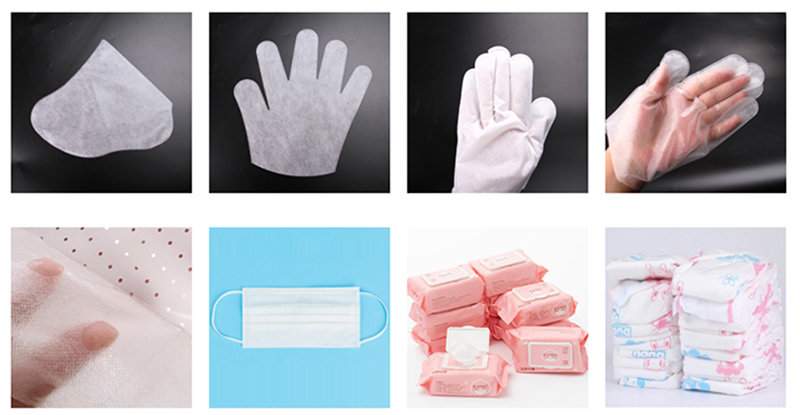
The medical sector is one of the largest users of nonwoven materials because of the need for hygiene, comfort, and cost-effective disposable products. PLA nonwoven fabrics are increasingly being used in healthcare applications due to their breathable and biodegradable properties.
Medical Protective Products
PLA nonwoven materials are commonly used in:
- Surgical masks
- Isolation gowns
- Disposable caps
- Shoe covers
- Protective medical drapes
These products require lightweight fabrics with good air permeability and reliable barrier performance.
Hygiene and Patient Care
PLA nonwoven fabrics are also suitable for hygiene-related medical products such as:
- Disposable bedding
- Wet wipes
- Sanitary products
- Adult care products
Their soft texture and moisture management properties improve comfort while supporting sustainable disposal practices.
Environmental Benefits in Healthcare
Healthcare facilities generate significant amounts of disposable waste every day. Using biodegradable PLA-based products can help reduce long-term plastic accumulation and support environmentally conscious waste management initiatives.
Applications in the Packaging Industry
The packaging sector is rapidly transitioning toward sustainable materials as governments and consumers demand alternatives to conventional plastics. PLA nonwoven fabrics provide several advantages for eco-friendly packaging solutions.
Reusable and Compostable Bags
PLA nonwoven materials are frequently used in shopping bags, promotional bags, and compostable packaging products. These fabrics offer sufficient strength while reducing dependence on petroleum-based plastics.
Protective Packaging Materials
Many industries use PLA nonwoven fabrics as cushioning and protective layers for fragile goods during shipping and transportation. Their lightweight structure helps reduce packaging weight while maintaining product protection.
Food Packaging Solutions
Because PLA is derived from renewable resources, it is increasingly considered for sustainable food packaging applications. In some cases, PLA nonwoven materials are used as liners, wraps, or absorbent packaging layers.
Supporting Circular Economy Goals
The packaging industry is under growing pressure to reduce plastic waste and improve recyclability. PLA nonwoven materials support circular economy strategies by offering renewable and potentially compostable alternatives.
Use of PLA Nonwoven Fabric in the Textile Industry
The textile industry is also exploring sustainable fibers to reduce environmental impact and meet changing consumer expectations.
Home Textile Applications
PLA nonwoven fabrics are used in various home furnishing products, including:
- Mattress padding
- Upholstery layers
- Cushion filling
- Insulation materials
Their lightweight structure and renewable origin make them attractive for eco-conscious interior manufacturing.
Apparel and Fashion Accessories
Although PLA nonwoven materials are more commonly used in industrial textiles, they are also finding applications in sustainable fashion accessories and disposable garments.
The growing demand for biodegradable textiles is encouraging designers and manufacturers to experiment with plant-based fiber technologies.
Filtration and Industrial Textiles
PLA nonwoven fabrics are used in filtration systems, industrial wipes, and technical textile applications where lightweight and breathable materials are needed.
Their compatibility with modern nonwoven production methods allows manufacturers to create specialized materials for different industrial requirements.
Key Benefits Across Industries
The increasing adoption of PLA nonwoven fabric across multiple sectors is driven by several important advantages.
Renewable Raw Materials
PLA fibers are produced from plant-based sources rather than fossil fuels, supporting more sustainable production systems.
Biodegradability
Under industrial composting conditions, PLA materials can break down into natural components, helping reduce long-term waste accumulation.
Lightweight and Breathable Structure
The lightweight nature of PLA nonwoven fabrics improves comfort and usability in medical, textile, and packaging applications.
Manufacturing Flexibility
PLA fibers can be processed using common nonwoven technologies, making integration into existing production systems more practical.
Challenges and Future Outlook
Despite its many benefits, PLA nonwoven fabric still faces certain limitations. Industrial composting infrastructure is not yet widely available in all regions, and PLA may have lower heat resistance compared to some conventional synthetic materials.
However, continued advancements in biodegradable polymer technology are improving the performance and affordability of PLA-based products. As sustainability regulations become stricter and consumer awareness increases, demand for PLA nonwoven materials is expected to continue growing.
Conclusion
PLA nonwoven fabric is playing an increasingly important role in medical, packaging, and textile industries due to its renewable origin, biodegradability, and versatile performance. From disposable healthcare products to sustainable packaging and eco-friendly textiles, PLA-based materials offer practical solutions for industries transitioning toward greener manufacturing practices.
As innovation continues to improve material performance and production efficiency, PLA nonwoven fabric is expected to become a key component of sustainable industrial development worldwide.