
GERIATRICS Overview and Definition
Aging is a natural process that brings many physical, emotional, and mental changes. As people grow older, their healthcare needs become more specialized, requiring focused medical attention and long-term support. This is where Geriatrics plays a vital role. Geriatrics is the branch of medicine dedicated to promoting the health, independence, and quality of life of older adults. It focuses on preventing, diagnosing, and treating conditions commonly associated with aging.
With increasing life expectancy around the world, the demand for geriatric healthcare services has grown significantly. Older adults often experience multiple health conditions at the same time, making specialized care essential. Geriatric medicine aims to provide comprehensive healthcare that addresses physical, mental, and emotional well-being.
Definition of Geriatrics
The term geriatrics originates from the Greek words “geron,” meaning old person, and “iatros,” meaning healer. Together, the word refers to medical care for elderly individuals. Unlike general healthcare, geriatrics concentrates on the unique medical challenges faced by seniors.
A geriatrician is a doctor trained specifically in elderly healthcare. These professionals understand how aging affects the body and how treatments should be adjusted for older patients. Their goal is not only to treat diseases but also to help seniors maintain independence and enjoy a better quality of life.
Importance of Geriatric Care
As people age, the body becomes more vulnerable to chronic diseases, reduced mobility, and memory-related conditions. Older adults may require ongoing treatment for illnesses such as arthritis, diabetes, heart disease, and osteoporosis. Geriatric care provides a coordinated approach to managing these health concerns effectively.
One of the most significant benefits of geriatrics is preventive healthcare. Regular checkups, healthy lifestyle guidance, and early diagnosis can help reduce complications and improve overall well-being. Geriatric specialists also help patients manage medications safely, as older adults are often prescribed multiple medicines that may interact with each other.
Another essential aspect of geriatrics is emotional and mental health support. Many seniors face loneliness, anxiety, or depression due to lifestyle changes or loss of loved ones. Proper care and social engagement can improve emotional health and reduce stress.
Common Conditions in Geriatrics
Geriatric medicine covers a wide range of age-related conditions. Some of the most common include:
Arthritis
Diabetes Mellitus
Osteoporosis
Parkinson’s Disease
Depression
GERIATRICS Alzheimer Disease
Among these conditions, GERIATRICS Alzheimer Disease is one of the most challenging disorders affecting elderly individuals. It is a progressive brain disease that impacts memory, thinking, and behavior. Patients with Alzheimer’s disease often need long-term medical care, emotional support, and assistance with daily activities. Geriatric specialists play an essential role in managing symptoms and improving the patient’s quality of life.
Preventive Measures in Geriatrics
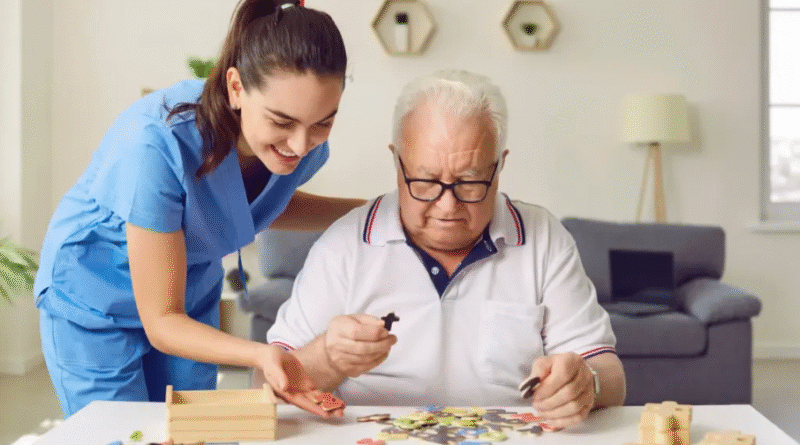
Healthy aging depends greatly on preventive care and lifestyle choices. Seniors are encouraged to maintain a balanced diet, engage in regular physical activity, and attend routine medical checkups. Mental exercises such as reading, puzzles, and social interaction can also help maintain cognitive health.
Fall prevention is another important aspect of geriatric care. Reduced balance and weaker bones increase the risk of injuries in older adults. Proper exercise, home safety measures, and regular health monitoring can help prevent accidents.
Conclusion
Geriatrics is an essential medical specialty that focuses on the health and well-being of older adults. It addresses the complex physical, emotional, and mental challenges associated with aging while promoting independence and dignity. Conditions such as GERIATRICS Alzheimer Disease highlight the importance of specialized elderly care and early medical support.
As the aging population continues to grow worldwide, geriatric medicine will remain increasingly important. Through preventive care, compassionate treatment, and comprehensive health management, geriatrics helps seniors lead healthier, safer, and more fulfilling lives.