
Leucine Supplements: Benefits, Formulations, and Important Product Quality Factors
Leucine is an essential branched-chain amino acid (BCAA) that plays an important role in protein metabolism and muscle protein synthesis signaling. Because the human body cannot produce enough leucine to meet its nutritional requirements, it must be obtained through dietary protein or suitable nutritional products. Its involvement in regulating cellular pathways associated with muscle protein synthesis has made it a popular ingredient in sports nutrition supplements, amino acid blends, and specialized protein formulations.
For consumers, manufacturers, and ingredient buyers, understanding a Leucine Supplement involves more than recognizing its connection with muscle health. The supplement’s formulation, ingredient source, purity, manufacturing controls, and suitability for its intended use all influence product quality. This article explores leucine’s nutritional functions, common supplement formats, formulation considerations, and important quality factors to evaluate before purchasing or manufacturing leucine-based products.
What Is Leucine?
Leucine is one of the nine essential amino acids required by the human body. It belongs to the branched-chain amino acid group, together with isoleucine and valine.
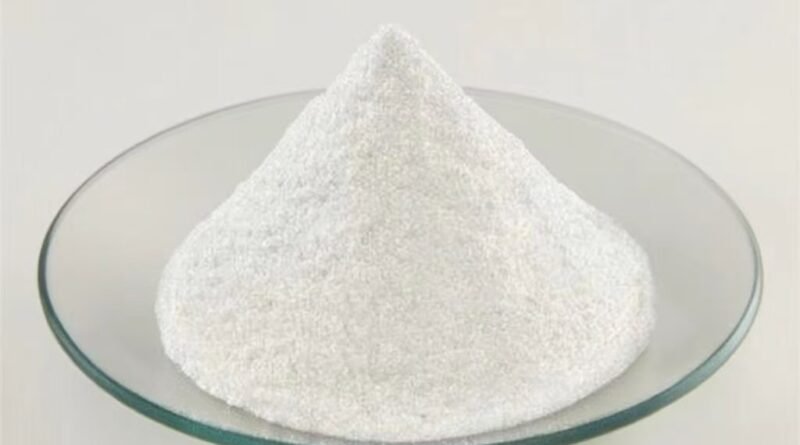
The L-form of leucine is commonly used in human nutrition and supplement manufacturing. It has the molecular formula C₆H₁₃NO₂ and is generally supplied as a white crystalline powder.
Leucine has two important roles in the body:
- It serves as a building block incorporated into proteins.
- It helps regulate cellular signaling pathways associated with muscle protein synthesis, particularly the mTORC1 pathway.
Leucine is also metabolized substantially in skeletal muscle and is classified as a ketogenic amino acid. These characteristics make it an important component of dietary protein and several commercial amino acid formulations.
Potential Benefits and Nutritional Functions of Leucine
Leucine is often discussed in sports nutrition because of its role in protein metabolism. Its functions are connected to normal physiological processes rather than being limited to supplement use.
1. Supports Muscle Protein Synthesis Signaling
One of leucine’s best-known functions is its involvement in regulating the mechanistic target of rapamycin complex 1, commonly called mTORC1.
This cellular signaling complex helps regulate protein production and other processes related to cell growth. Leucine availability is one of several nutritional signals that can influence its activity.
However, activating this pathway does not independently guarantee sustained muscle protein synthesis. The body also needs sufficient amounts of the other essential amino acids.
2. Contributes to Muscle Protein Formation
Leucine is directly incorporated into muscle proteins and other proteins throughout the body.
Muscle tissue is continuously undergoing protein synthesis and breakdown. Adequate dietary protein supplies the amino acids needed for this ongoing process, with leucine contributing to the available amino acid pool.
3. Participates in Energy Metabolism
Leucine is metabolized in skeletal muscle and other tissues. It is classified as ketogenic because its breakdown produces compounds that can contribute to ketone-body metabolism.
This is different from glucogenic amino acids, which can contribute to glucose production.
4. Helps Meet Essential Amino Acid Requirements
As an essential amino acid, leucine must be supplied through food or appropriate nutritional products.
Adequate intake contributes to the body’s overall amino acid balance and supports normal protein metabolism.
5. Supports Nutritional Formulation Goals
Supplement manufacturers use leucine to develop products with specific amino acid profiles.
It may be included in BCAA blends, essential amino acid products, and protein formulations, depending on the intended nutritional purpose.
Leucine Supplements and Their Common Formulations
Leucine is available in several supplement formats. Each format has different characteristics related to ingredient composition, convenience, and manufacturing requirements.
1. Single-Ingredient Leucine Powder
Single-ingredient leucine powder provides leucine without intentionally combining it with other BCAAs or essential amino acids.
It gives formulators greater control over the amount of leucine added to a product. Powder formats are commonly used in sports nutrition blends and customized amino acid formulations.
2. BCAA Supplements
BCAA products combine three branched-chain amino acids:
- L-Leucine.
- L-Isoleucine.
- L-Valine.
Leucine may be present in a higher proportion because of its recognized role in muscle protein synthesis signaling.
BCAA products are commonly available as powders, capsules, and tablets. However, they do not provide all nine essential amino acids required for protein synthesis.
3. Essential Amino Acid Formulations
Essential amino acid products contain all nine amino acids that the body cannot synthesize in sufficient quantities.
These formulations include leucine alongside isoleucine, valine, lysine, methionine, threonine, tryptophan, phenylalanine, and histidine.
Compared with BCAA-only products, they provide a more complete range of essential amino acids.
4. Protein-Based Supplements
Protein powders made from whey, milk, soy, and other sources naturally contain leucine.
Some manufacturers add isolated leucine to adjust the amino acid composition of the finished product. Formulators should calculate the leucine already supplied by the base protein before determining whether additional material is needed.
5. Combination Sports Nutrition Products
Leucine may be combined with other amino acids and nutritional ingredients in products designed for use around exercise.
The purpose and effectiveness of these products depend on the complete formulation. The presence of leucine alone does not establish that a supplement improves endurance, exercise performance, or recovery.
Natural Food Sources of Leucine
Many people obtain leucine through ordinary dietary protein without needing a separate supplement.
| Food Category | Examples | Nutritional Contribution |
|---|---|---|
| Meat | Beef and lamb | Provides protein containing essential amino acids |
| Poultry | Chicken and turkey | Supplies high-quality protein |
| Seafood | Fish and shellfish | Contributes protein and other nutrients |
| Dairy | Milk, yogurt, and cheese | Provides protein and leucine |
| Eggs | Whole eggs and egg products | Supplies a broad range of essential amino acids |
| Soy | Tofu and soybeans | Provides plant-based protein |
| Legumes | Lentils and beans | Contributes protein and dietary fiber |
| Nuts and seeds | Peanuts, almonds, and pumpkin seeds | Supplies protein and other nutrients |
The leucine content varies according to food type, serving size, and preparation. Overall protein intake and dietary variety are important when evaluating nutritional adequacy.
Is a Separate Leucine Supplement Necessary?
A separate leucine supplement is not necessary for everyone.
People who consume sufficient protein from varied food sources generally obtain leucine through their regular diet. Meat, poultry, fish, eggs, dairy, soy, and legumes are all dietary sources.
Supplementation may be considered when a nutritional formulation has a specific amino acid requirement. However, additional isolated leucine does not automatically produce greater muscle-building benefits when total protein and essential amino acid intake are already adequate.
Evidence for benefits from BCAA or isolated leucine supplements beyond adequate complete protein intake is context-dependent. A balanced diet, appropriate physical activity, and sufficient total protein remain important.
People with medical conditions, metabolic disorders, or specific dietary restrictions should seek professional advice before using concentrated amino acid products.
How Leucine Supplements Are Manufactured
Commercial L-leucine is commonly produced through microbial fermentation, followed by recovery and purification. The exact manufacturing process depends on the producer’s technology and required product specifications.
1. Raw Material Preparation
Nutrients and other raw materials are prepared for fermentation.
Consistent input quality helps support reliable microbial growth and production performance.
2. Microbial Fermentation
Selected microorganisms produce L-leucine under controlled conditions.
Important process parameters may include:
- Temperature.
- pH.
- Nutrient concentration.
- Oxygen availability.
- Fermentation duration.
- Microbial strain performance.
Monitoring these conditions helps maintain process consistency.
3. Separation and Recovery
After fermentation, the target amino acid is separated from microbial cells and other components of the fermentation broth.
Depending on the process, filtration, clarification, concentration, and other recovery methods may be used.
4. Purification
The recovered material undergoes purification to remove unwanted substances and achieve the required chemical specifications.
This stage is important for controlling related amino acids and process-derived impurities.
5. Crystallization
The purified leucine is crystallized to obtain a solid material.
Controlled crystallization can influence the physical characteristics of the resulting crystals.
6. Drying and Powder Processing
The crystals are dried to meet moisture requirements. Milling and sieving may then be used to achieve the desired particle-size distribution.
These steps help prepare the ingredient for blending, encapsulation, or other manufacturing operations.
7. Packaging and Quality Release
The finished ingredient is packed in suitable containers to protect it from moisture and contamination.
Before release, the batch is tested against approved specifications and accompanied by appropriate quality documentation.
Important Product Quality Factors
Product quality is essential for both supplement manufacturers and consumers. Buyers should evaluate the ingredient’s chemical characteristics, physical properties, and supporting documentation.
Identity Testing
Identity testing confirms that the material is leucine and matches the specified product description.
Analytical methods may include infrared spectroscopy and other recognized identification techniques.
Assay and Purity
Assay testing measures the amount of L-leucine in the material.
The acceptance limits should match the applicable product specification. Buyers should also review the impurity profile instead of relying only on an advertised purity percentage.
Optical Rotation
Optical rotation testing helps assess the stereochemical characteristics of the material.
This is particularly relevant when the required ingredient is specifically L-leucine.
Related Substances
Related amino acids and process-related impurities should be controlled according to the relevant specification.
Chromatographic methods may be used to identify and quantify applicable substances.
Moisture Content
Moisture testing verifies that the ingredient meets its drying requirements.
Moisture can influence storage stability and powder handling characteristics.
Elemental Impurities
Depending on the intended application, testing may be required for elemental impurities such as lead, arsenic, cadmium, and mercury.
Applicable limits should be determined using relevant regulatory and compendial requirements.
Microbiological Quality
Microbiological testing requirements depend on the product grade and intended application.
Manufacturers should establish suitable specifications and hygiene controls for the specific market.
Batch-Specific Certificate of Analysis
A Certificate of Analysis (CoA) provides test results for an identified production batch.
A useful CoA should identify the material and batch, include relevant test results, and demonstrate compliance with the agreed specifications.
Understanding USP-Grade Leucine
USP refers to the United States Pharmacopeia, which publishes official quality standards for substances and preparations covered by its compendia.
When a supplier describes leucine as USP grade, buyers should verify compliance with the applicable current USP-NF monograph and relevant requirements.
Depending on the applicable standard, quality evaluation may include:
- Identification.
- Assay.
- Optical rotation.
- Related substances.
- Moisture-related specifications.
- Applicable impurity limits.
- Required analytical procedures.
A USP designation should be supported by appropriate testing and documentation. It does not automatically mean that an ingredient is approved for every pharmaceutical, food, or dietary supplement application.
Formulation Considerations for Manufacturers
Developing a consistent leucine supplement requires attention to ingredient compatibility and production performance.
Ingredient Compatibility
Leucine should be evaluated alongside the other ingredients in the formulation.
Differences in particle size, density, and moisture characteristics can influence blending behavior and ingredient distribution.
Blend Uniformity
Uneven ingredient distribution can lead to variation between servings.
Manufacturers should use suitable blending procedures, controlled material transfer, and appropriate in-process checks to maintain uniformity.
Powder Flowability
Flowability affects how powders move through production equipment.
Manufacturers should evaluate powder behavior during feeding, filling, and encapsulation to identify potential processing problems.
Taste and Sensory Properties
Leucine has a characteristic bitter taste that can influence the sensory profile of a finished supplement.
For flavored powders and ready-to-mix products, manufacturers may need to evaluate suitable flavor systems, sweeteners, and other formulation components.
Dosage and Label Accuracy
The quantity of leucine in the finished product should match the approved formulation and product labeling.
Controlled weighing, dispensing, and verification procedures help reduce formulation errors.
Finished Product Testing
Testing should confirm that the final supplement meets its approved specifications.
Depending on the product, this may include ingredient identity, amino acid content, blend uniformity, moisture, and relevant contaminant testing.
Packaging and Storage Considerations
Appropriate packaging helps protect leucine powder from moisture, contamination, and handling damage.
Common packaging considerations include:
- Suitable packaging material.
- Secure closures and seals.
- Moisture protection.
- Appropriate package sizes.
- Clear batch identification.
- Traceability information.
Recommended storage practices include keeping the product in tightly sealed packaging in a clean, dry environment and following the manufacturer’s instructions.
Consumers should also follow the product label for storage and use rather than assuming that every leucine product has identical handling requirements.
How to Select a Reliable Leucine Supplement Manufacturer or Supplier
Supplier selection can influence product quality, manufacturing consistency, and long-term availability.
1. Review Ingredient Specifications
Request a technical specification sheet that identifies the product grade, assay, identity requirements, physical properties, and relevant impurity limits.
Confirm that the material is suitable for the intended application.
2. Check Batch Documentation
Review the batch-specific CoA and compare its results with the agreed specification.
Where necessary, request additional analytical information or arrange independent verification.
3. Evaluate Manufacturing Capabilities
Understand whether the supplier manufactures leucine directly or obtains it from another producer.
Consider experience with fermentation, purification, analytical testing, and commercial-scale supply.
4. Assess Quality Management Systems
Review the supplier’s quality procedures, laboratory capabilities, traceability arrangements, and management of nonconforming materials.
Any certifications should be checked for validity and relevance to the intended market.
5. Confirm Packaging and Supply Arrangements
Evaluate available package sizes, storage recommendations, lead times, minimum order quantities, and delivery capabilities.
For ongoing production, consistent availability is an important part of supplier qualification.
6. Consider Technical Support
A dependable supplier should be able to answer questions about specifications, analytical methods, storage, packaging, and changes to manufacturing processes.
Clear communication can help resolve quality and procurement issues efficiently.
Frequently Asked Questions
What is a leucine supplement used for?
Leucine supplements are used to provide an additional source of this essential amino acid. They are commonly included in BCAA products, essential amino acid blends, protein formulations, and sports nutrition products.
Does leucine help build muscle?
Leucine helps regulate signaling pathways associated with muscle protein synthesis. However, building muscle also requires all essential amino acids, adequate total protein, and appropriate physical activity.
What is the difference between leucine and BCAA supplements?
Leucine is one individual amino acid. BCAA supplements combine leucine with isoleucine and valine.
Which foods naturally contain leucine?
Meat, poultry, fish, eggs, dairy products, soy, legumes, nuts, and seeds are common dietary sources.
How is commercial L-leucine produced?
It is commonly produced through microbial fermentation, followed by separation, recovery, purification, crystallization, drying, and packaging.
What quality tests should buyers review?
Common tests include identity, assay, optical rotation, related substances, and moisture. Elemental impurity and microbiological testing may also be relevant depending on the product grade and intended use.
What does USP-grade leucine mean?
It means that the material is represented as meeting applicable United States Pharmacopeia requirements. Buyers should verify compliance with the current relevant USP-NF monograph and supporting documentation.
Can leucine replace a complete protein supplement?
No. Leucine is a single essential amino acid. Complete protein supplies all nine essential amino acids needed for protein synthesis.
Conclusion
Leucine supplements are widely used in sports nutrition, BCAA products, essential amino acid formulations, and specialized nutritional products. Leucine’s role as a protein building block and its involvement in muscle protein synthesis signaling explain its importance in these applications.
However, leucine should be considered as part of a complete nutritional and formulation strategy. It cannot replace the other essential amino acids or adequate total protein intake.
For manufacturers and ingredient buyers, product quality depends on reliable production methods, accurate identity and assay testing, impurity controls, appropriate physical properties, and traceable batch documentation. Evaluating these factors helps ensure that leucine ingredients are suitable for their intended applications and support consistent finished-product quality.