
How Sustainable Packaging Trends Are Changing the Disposable Cutlery Supply Industry
Sustainability has become an important consideration in the food service and packaging industries. Restaurants, catering companies, takeaway businesses, and food distributors are increasingly examining the environmental impact of the products they purchase. Disposable cutlery, traditionally associated with single-use plastics, is also experiencing changes as businesses explore alternative materials and more responsible packaging solutions.
These developments are influencing how Disposable Cutlery Suppliers manufacture, package, and distribute their products. Growing demand for environmentally conscious options is encouraging suppliers to expand their product ranges, improve material transparency, and reconsider traditional packaging practices. Understanding these trends can help food businesses make informed purchasing decisions while adapting to changing market expectations.
1. Growing Demand for Environmentally Responsible Products
Consumer awareness about plastic pollution and waste management has increased interest in sustainable food service products. Many customers now pay closer attention to the materials used in disposable utensils and packaging.
As a result, restaurants and food businesses are exploring alternatives to conventional plastic cutlery. This shift is encouraging suppliers to offer products that meet changing customer preferences without overlooking durability and usability.
However, sustainability is not determined by appearance alone. Businesses should examine material composition, manufacturing processes, product certifications, and disposal requirements before selecting an alternative.
2. Increasing Use of Alternative Cutlery Materials
One of the most noticeable developments in the disposable cutlery industry is the growing availability of alternative materials.
Different materials provide different functional and environmental characteristics.
Wooden Cutlery
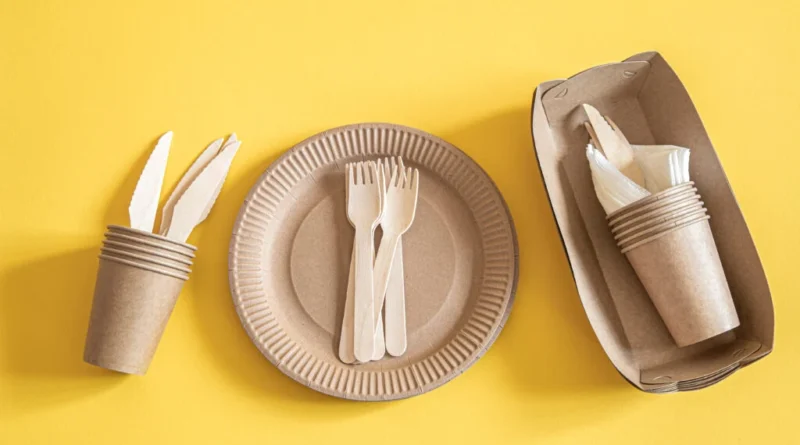
Wooden forks, spoons, and knives are increasingly used by food businesses seeking alternatives to conventional plastic utensils. Their natural appearance makes them suitable for restaurants, takeaway outlets, and catering services.
Product quality depends on factors such as wood sourcing, manufacturing processes, surface finishing, and strength.
Bamboo Cutlery
Bamboo is a renewable resource that has attracted attention in the disposable tableware market. It can be used to manufacture lightweight utensils with a natural appearance.
Businesses considering bamboo products should assess durability, sourcing practices, and the quality of manufacturing.
Compostable Cutlery
Compostable utensils are designed to break down under specified composting conditions. Some are manufactured using plant-derived materials or other compostable compounds.
Buyers should verify relevant certifications and determine whether industrial or home composting facilities are required for proper disposal.
Plant-Based Materials
Manufacturers are also exploring materials derived from renewable biological resources. These materials can provide alternatives to conventional petroleum-based plastics, although their environmental benefits depend on production methods and end-of-life conditions.
3. Changes in Disposable Cutlery Packaging
Sustainable packaging trends are influencing more than the utensils themselves. The packaging used to protect, store, and distribute disposable cutlery is also receiving greater attention.
Traditional packaging may involve several layers of plastic, particularly when products are individually wrapped or supplied in bulk.
Businesses are increasingly considering packaging options that use fewer materials, incorporate recycled content where appropriate, or offer improved recyclability.
Some important developments include:
- Reduced packaging material and unnecessary layers.
- Paper-based sleeves and wrappers.
- Recyclable packaging where suitable collection systems exist.
- Packaging made with recycled materials.
- More efficient carton designs for transportation and storage.
The goal is to balance environmental considerations with product hygiene, protection, and convenience.
4. How Suppliers Are Adapting Their Manufacturing Processes
Changing market expectations are encouraging manufacturers to review their production methods. Suppliers may need to evaluate raw material sourcing, energy consumption, manufacturing waste, and packaging efficiency.
Improving production practices can support more responsible resource management while helping manufacturers maintain consistent product quality.
Some manufacturers are also investing in updated machinery and production techniques to accommodate different materials.
For buyers, understanding these manufacturing practices can provide a clearer picture of a supplier’s environmental commitments. Requests for relevant certifications, material information, and production documentation can help verify sustainability claims.
5. The Influence of Environmental Regulations
Government regulations are another important factor shaping the disposable cutlery supply industry. Several markets have introduced restrictions on specific single-use plastic products and packaging materials.
These regulations vary by country and may cover product categories, manufacturing standards, labeling, imports, or waste management responsibilities.
For international suppliers, keeping up with regulatory developments is particularly important because products intended for different markets may need different specifications.
Food businesses should also understand the rules applicable to their operating locations. Selecting products that meet current requirements can reduce compliance risks and help prevent purchasing unsuitable inventory.
6. Changing Expectations Among Restaurants and Food Businesses
Restaurants, hotels, catering companies, and takeaway businesses are becoming more selective about the disposable products they purchase.
Some businesses want to reduce conventional plastic use, while others focus on packaging efficiency or customer preferences.
These changing expectations are encouraging suppliers to provide more flexible product options.
For example, a catering company may prefer wooden utensils for outdoor events, while a takeaway restaurant may prioritize compact paper-based packaging. A food distributor may require a wider selection of products to serve customers with different sustainability requirements.
Suppliers that understand these varying needs can better support different business models.
7. Balancing Sustainability With Product Performance
Although environmental considerations are important, disposable cutlery must still perform effectively during use.
Utensils should be strong enough for their intended applications, comfortable to handle, and suitable for different food types.
A product that breaks easily may create additional waste and increase purchasing costs. Similarly, packaging that does not provide adequate protection can result in damaged or unusable products.
Businesses should evaluate sustainable alternatives according to several practical characteristics:
- Strength and resistance to bending or breaking.
- Smooth surfaces and comfortable designs.
- Suitability for hot and cold foods.
- Packaging protection during transportation.
- Storage requirements and shelf stability.
- Compliance with applicable food-contact standards.
Testing product samples before purchasing in bulk is a useful way to determine whether an alternative meets operational requirements.
8. The Importance of Certifications and Transparent Product Information
As demand for sustainable products increases, businesses need reliable information to distinguish verified environmental claims from general marketing statements.
Terms such as biodegradable, compostable, and recyclable have different meanings and should not be treated as interchangeable.
For example, compostable products may require specific temperature, moisture, and processing conditions. A product described as recyclable may only be accepted by certain recycling facilities.
Before purchasing, businesses should ask suppliers for:
- Material composition and product specifications.
- Relevant environmental certifications.
- Food-contact safety documentation.
- Information about sourcing practices.
- Clear disposal and composting instructions.
Transparent documentation helps buyers make responsible decisions and communicate product characteristics accurately to customers.
9. Sustainable Packaging and Supply Chain Efficiency
Packaging design can influence transportation costs, storage capacity, and overall supply chain efficiency.
Poorly designed packaging may occupy unnecessary warehouse space or increase shipping volume. More efficient packaging can help businesses organize inventory and improve transportation planning.
Suppliers are therefore exploring ways to reduce packaging dimensions and use materials more efficiently without compromising product protection.
Bulk buyers should consider carton sizes, product arrangement, packaging weight, and shipping requirements when comparing suppliers.
These details can have a meaningful impact on the total cost and environmental footprint of purchasing disposable cutlery.
10. The Future of the Disposable Cutlery Supply Industry
The disposable cutlery industry is likely to continue adapting as sustainability expectations, regulations, and material technologies evolve.
Manufacturers may increasingly explore renewable raw materials, improved compostable formulations, and more efficient packaging systems.
At the same time, buyers will continue to expect products that combine practical performance with competitive pricing.
Digital product information, improved traceability, and clearer environmental documentation may also become more important when businesses evaluate suppliers.
Rather than relying on a single material or packaging solution, the industry is moving toward a broader range of options suited to different applications and disposal systems.
11. How Businesses Can Choose Suppliers That Support Sustainable Goals
Businesses interested in more responsible purchasing should evaluate suppliers carefully rather than selecting products based only on environmental labels.
A practical evaluation process includes:
- Review available materials: Compare wooden, bamboo, compostable, and other suitable alternatives.
- Check product performance: Request samples and test utensils under normal serving conditions.
- Verify certifications: Ask for supporting documentation for environmental and food-contact claims.
- Understand disposal requirements: Confirm whether products can be composted or recycled through locally available facilities.
- Compare total costs: Consider unit prices, packaging, shipping, and storage expenses.
- Assess supplier transparency: Choose suppliers that provide clear information about materials, manufacturing, and product specifications.
This approach helps businesses balance environmental objectives with everyday operational requirements.
Conclusion
Sustainable packaging trends are changing the disposable cutlery supply industry by influencing material selection, manufacturing practices, packaging design, and customer expectations. The growing interest in wooden, bamboo, compostable, and other alternative products is encouraging suppliers to expand their offerings and provide more transparent product information.
However, sustainable purchasing requires more than choosing products marketed as environmentally friendly. Businesses must consider durability, food safety, certifications, local regulations, and available disposal facilities.
By evaluating these factors and working with suppliers that understand changing market requirements, food service businesses can make more informed purchasing decisions while supporting practical and responsible packaging practices.