
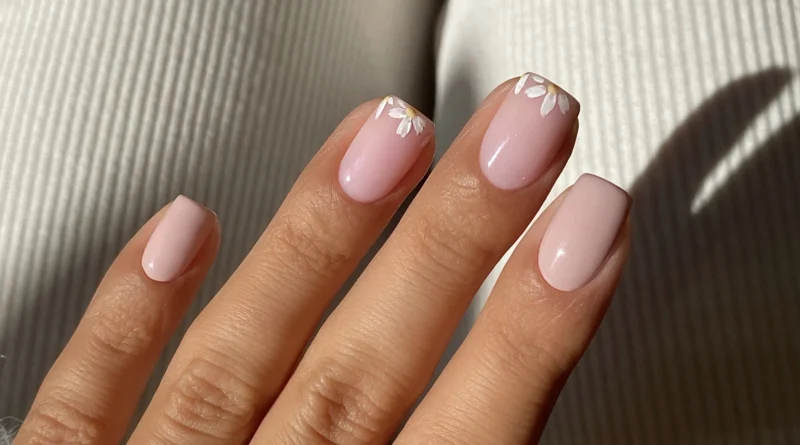
Factors to Consider When Developing a Custom Gel Polish Collection
The gel nail industry continues to expand as consumer demand shifts toward more personalized, long-lasting, and high-performance beauty products. For brands entering or scaling within this market, developing a custom collection is not just about choosing attractive colors—it requires careful planning across formulation, branding, performance, and market positioning.
Successful product development depends on balancing creativity with technical precision. From pigment selection to curing performance, every detail influences how the final product will be received by both professionals and end users.
Understanding Market Positioning Before Product Development
Before creating any gel polish collection, brands must clearly define their target audience and market positioning. This step determines everything from color direction to packaging style and pricing strategy.
Some brands focus on luxury salon professionals, while others target trend-driven retail consumers or beginner-friendly at-home users. Each segment requires a different product approach in terms of viscosity, durability, and finish.
Key questions to define positioning include:
- Who is the primary user of the product?
- Is the brand aiming for premium, mid-range, or budget markets?
- What visual identity aligns with the target audience?
- Which competitors dominate the current space?
Clear answers to these questions help guide the entire development process and reduce costly adjustments later.
The Importance of Formula Stability and Performance
A successful gel polish collection must perform consistently under real salon conditions. Stability and durability are critical factors that determine customer satisfaction and brand reputation.
During development, manufacturers typically evaluate:
- Pigment dispersion and color consistency
- Viscosity for smooth application
- Curing efficiency under UV/LED lamps
- Resistance to chipping and fading
- Shelf-life stability over time
Even the most visually appealing color collection can fail in the market if the formula does not perform reliably. Therefore, technical testing is a crucial stage in product development.
Color Selection and Trend Forecasting
Color is one of the strongest selling points in any nail product line. However, successful collections are rarely based on random shade choices. Instead, they rely on trend forecasting and consumer behavior analysis.
Brands often study fashion weeks, seasonal palettes, and social media trends to identify emerging color directions. Neutral tones, soft pastels, and bold expressive shades often rotate in popularity depending on the season.
A well-balanced collection usually includes:
- Core neutral shades for everyday use
- Seasonal trend colors for fashion alignment
- Accent shades for creative nail art
- Limited-edition colors for exclusivity
This mix ensures the collection remains relevant throughout the year while appealing to different customer preferences.
Customization and Brand Identity Integration
One of the most important advantages in modern product development is the ability to fully customize formulations and branding elements. This allows businesses to create a unique identity that stands out in a saturated market.
Customization options often include pigment adjustments, finish variations, and packaging design. These elements help brands maintain consistency across collections while still offering variety to customers.
In this context, Custom Gel Polish plays a significant role in enabling businesses to develop tailored product lines that reflect their brand personality and market strategy. Customization ensures that every shade aligns with a cohesive visual identity.
Packaging and User Experience Considerations
Packaging is not just a visual element—it directly impacts usability and customer perception. In professional environments, ease of application and product identification are especially important.
Brands should consider:
- Bottle design and ergonomic usability
- Brush quality for smooth application
- Label clarity for shade recognition
- Packaging durability during transport and storage
A well-designed product enhances the overall user experience and encourages repeat purchases, especially in salon settings where efficiency matters.
Regulatory Compliance and Safety Standards
Another critical factor in developing a gel polish collection is compliance with safety regulations. Different markets may have varying requirements regarding ingredients, labeling, and product testing.
Manufacturers must ensure that formulations meet relevant cosmetic safety standards and avoid restricted or harmful substances. Proper documentation and testing not only ensure legal compliance but also build consumer trust.
Conclusion
Developing a successful gel polish collection requires more than creative color selection. It involves a structured approach that considers market positioning, formula performance, color strategy, customization, packaging, and regulatory compliance.
Brands that invest in thoughtful planning and technical precision are more likely to achieve long-term success in the competitive nail industry. By aligning product development with consumer expectations and industry standards, businesses can create collections that are both visually appealing and commercially sustainable.