
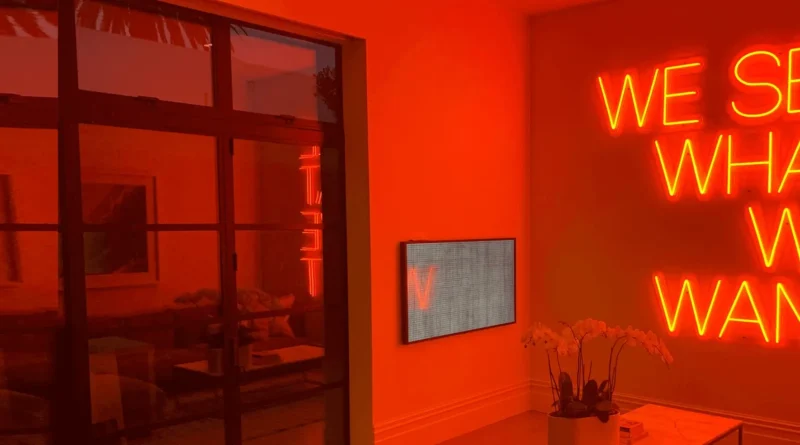
Choosing the Right Custom LED Neon Lights for Your Design Needs
Lighting plays a major role in defining the atmosphere and visual identity of a space. Whether used in homes, offices, retail stores, restaurants, or event venues, decorative lighting has become an essential part of modern interior and commercial design. Among the most popular options available today, LED neon lighting stands out for its flexibility, energy efficiency, and visual appeal.
As demand for personalized décor continues to grow, more people are turning to LED neon solutions to create distinctive environments. However, selecting the right neon design requires careful consideration of style, placement, functionality, and overall design goals. Understanding these factors can help ensure that the final result enhances the space effectively.
Modern designers and business owners often choose custom led neon lights because they offer extensive customization possibilities while remaining practical for long-term use. From personalized quotes and logos to artistic shapes and branding displays, these lighting solutions can be adapted to suit a wide range of interior and exterior applications.
Understanding the Purpose of Your Neon Lighting
Before selecting a neon design, it is important to determine the primary purpose of the lighting. Different spaces require different lighting approaches depending on their function and audience.
For example, residential spaces may prioritize comfort and ambiance, while commercial environments often focus on visibility and branding. Event venues may use neon lighting as a decorative focal point or photo backdrop.
Common purposes for LED neon lighting include:
- Decorative wall art
- Brand promotion
- Directional signage
- Event décor
- Ambient lighting
- Social media-friendly installations
Clarifying the intended use helps narrow down design choices and ensures the lighting complements the overall environment.
Selecting the Right Color Scheme
Color plays a significant role in how lighting affects a space. Different colors create different emotional responses and visual impressions.
Warm colors such as soft white, warm yellow, and pink often create a relaxed and inviting atmosphere. Bright colors like blue, red, and green tend to produce a more energetic and vibrant appearance.
Businesses frequently align neon colors with their branding to maintain visual consistency. In residential settings, color choices are often based on interior décor themes and personal style preferences.
When selecting colors, it is also important to consider how the lighting will appear during both daytime and nighttime conditions.
Choosing the Best Size and Placement
The size and positioning of a neon sign can dramatically affect its visual impact. A sign that is too small may go unnoticed, while an oversized installation can overwhelm the surrounding décor.
Residential Spaces
In homes, neon lighting is commonly placed:
- Above beds or sofas
- In entertainment rooms
- Along hallway walls
- Inside home offices or studios
Smaller, softer designs usually work best for creating comfortable ambient lighting.
Commercial Environments
For businesses, visibility is often the priority. Larger signs placed near entrances, storefront windows, or reception areas can attract attention and reinforce branding.
Restaurants and cafés also use neon displays to create visually appealing spaces that encourage customer engagement and social media sharing.
Evaluating Material Quality and Durability
Not all LED neon products are made with the same materials or manufacturing standards. Choosing durable and high-quality materials is essential for achieving long-lasting performance.
Modern LED neon signs are typically made with flexible silicone or PVC housing, which provides better resistance to damage compared to traditional glass neon tubes. Quality materials also contribute to improved brightness consistency and overall appearance.
When evaluating options, consider factors such as:
- Water resistance for outdoor use
- Heat management
- Energy efficiency
- Ease of maintenance
- Lifespan ratings
For outdoor installations, weather-resistant construction is especially important to ensure reliable operation in varying environmental conditions.
Matching Neon Designs with Interior Styles
LED neon lighting should complement the existing design style of the space rather than compete with it. Different design themes may benefit from different lighting approaches.
Minimalist Interiors
Simple typography and neutral lighting colors often work best in minimalist environments.
Industrial Spaces
Bold lettering and cooler tones can enhance industrial-style interiors featuring exposed materials and darker finishes.
Modern Commercial Design
Dynamic neon logos and statement pieces are often used to create memorable visual branding in modern commercial spaces.
The goal is to create balance so that the neon lighting enhances the space while maintaining overall visual harmony.
Energy Efficiency and Maintenance Considerations
One of the main advantages of LED neon technology is its energy efficiency. Compared to traditional neon systems, LED alternatives consume less electricity while offering long operational lifespans.
This efficiency makes LED neon lighting suitable for businesses that require continuous illumination and homeowners seeking cost-effective decorative solutions.
Maintenance requirements are also relatively low. Because LED neon signs are more durable and resistant to breakage, they generally require fewer repairs and replacements over time.
Conclusion
Choosing the right LED neon lighting involves more than simply selecting an attractive design. Factors such as purpose, color, placement, durability, and interior compatibility all contribute to the effectiveness of the final installation.
With thoughtful planning and proper customization, LED neon lighting can transform residential, commercial, and event spaces into visually engaging environments. As modern design increasingly emphasizes personalization and atmosphere, customized neon solutions continue to offer a practical and creative way to enhance a wide variety of spaces.