
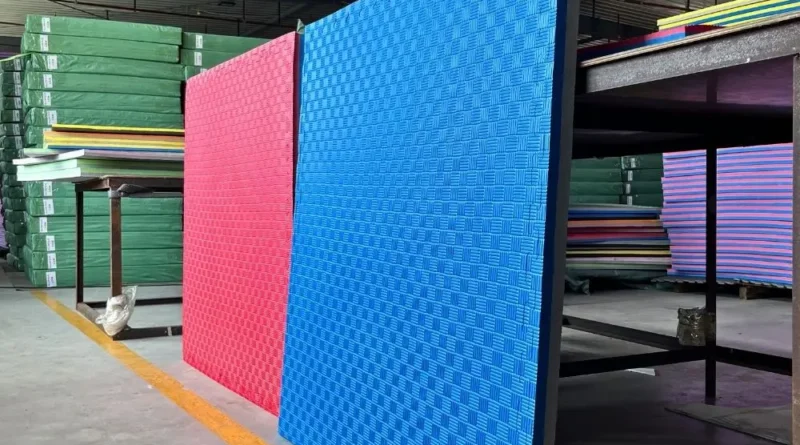
EVA Foam Tiles Mat: Benefits, Installation, and Common Applications
Choosing suitable flooring can make a significant difference in spaces used for exercise, sports, play, and general indoor activities. A good floor surface should provide appropriate cushioning, stability, durability, and ease of maintenance based on how the area will be used.
An EVA Foam Tiles Mat offers a modular flooring solution that can be assembled from individual foam tiles. The interlocking design allows users to create larger surfaces while making installation, replacement, and reconfiguration relatively convenient.
What Are EVA Foam Tiles?
EVA stands for ethylene-vinyl acetate, a type of closed-cell foam widely used for cushioning and protective flooring.
EVA foam is lightweight, resilient, and available in different densities and thicknesses. These characteristics make it suitable for applications where comfort and impact reduction are important.
The performance of a specific tile depends on its material composition, density, thickness, surface structure, and manufacturing quality.
Key Features of EVA Foam Tile Mats
Interlocking Edges
Many EVA foam tiles feature puzzle-shaped edges that connect adjacent pieces.
The interlocking construction helps keep tiles aligned during normal use and allows larger areas to be assembled without permanent adhesives.
Modular Design
Individual tiles can be installed, removed, rearranged, or replaced as needed.
This makes modular flooring particularly useful in spaces where layouts may change over time.
Lightweight Construction
EVA foam is lighter than many rubber, vinyl, and other traditional flooring materials.
Individual tiles can therefore be easier to transport, install, and store.
Cushioned Surface
Foam flooring provides a softer surface than concrete, wood, or other hard floors.
This can make standing, kneeling, stretching, and floor-based activities more comfortable.
Benefits of EVA Foam Tiles
Easy Installation
Interlocking tiles can generally be assembled without complicated installation equipment.
Users can connect the edges across the prepared floor to create the desired coverage.
Flexible Coverage
The modular format allows users to create small or large activity areas.
Additional tiles can be added when more coverage is required.
Simple Replacement
If a section becomes damaged or heavily worn, individual tiles can often be replaced without removing the entire floor.
Floor Protection
Foam tiles can help protect the underlying surface from minor impacts, scratches, dirt, and routine activity.
This can be useful in exercise rooms and multipurpose spaces.
Improved Comfort
The cushioning effect of EVA foam can provide a more comfortable surface for activities performed while standing, sitting, kneeling, or lying down.
Common Applications
EVA foam tiles can be used in many indoor environments.
Home Gyms
They provide a practical surface for stretching, bodyweight exercises, light fitness routines, and other home workouts.
For heavy weights or concentrated equipment loads, however, specialized gym flooring may be more appropriate.
Martial Arts Training
Interlocking foam flooring can be used for certain martial arts and training activities.
The required thickness, firmness, and impact absorption should be matched to the discipline and intensity of practice.
Children’s Play Areas
Foam tiles are commonly considered for indoor play spaces because they provide a cushioned surface.
When used around children, buyers should confirm that the specific product meets the applicable safety and usage requirements.
Fitness Studios
Modular foam flooring can be used in designated exercise areas where cushioning and flexible installation are priorities.
Multipurpose Rooms
Schools, community facilities, and other multipurpose spaces can benefit from removable flooring that can be installed when needed and stored afterward.
Choosing the Right Thickness
Thickness is an important consideration when selecting EVA foam tiles.
Thinner products may be suitable for general exercise, standing, or light activity, while thicker flooring can provide additional cushioning for more demanding applications.
However, thickness alone does not determine performance. Density and firmness also affect how a mat feels and responds under pressure.
Consider Foam Density
Foam density affects compression, firmness, and resistance to wear.
Higher-density EVA foam may provide a firmer feel and better resistance to permanent compression.
Softer foam can provide a different cushioning experience but may not be suitable for every type of exercise or equipment.
Surface Texture
The texture of the top surface affects traction and usability.
A suitable surface should provide enough grip for the intended activity without making movement unnecessarily difficult.
For fitness and martial arts applications, users should consider how the surface performs with bare feet, socks, or athletic footwear.
How to Install EVA Foam Tiles
Installing interlocking foam tiles is generally straightforward.
Step 1: Prepare the Floor
Clean the floor thoroughly and remove dust, dirt, and moisture.
The surface should be reasonably level so the tiles can sit properly.
Step 2: Plan the Layout
Measure the room and determine how the tiles will be positioned.
Planning the arrangement in advance can reduce unnecessary cutting and improve the finished appearance.
Step 3: Connect the Tiles
Align the puzzle-shaped edges and press neighboring tiles together.
Continue connecting the sections until the desired area is covered.
Step 4: Trim Edge Pieces
If necessary, tiles along walls or around fixed obstacles can be cut to fit.
Use appropriate tools and measure carefully before making cuts.
Step 5: Inspect the Finished Surface
Check for gaps, raised edges, or sections that do not sit flat.
Correcting these issues immediately can improve both appearance and usability.
Maintaining EVA Foam Tile Flooring
Routine maintenance can help preserve the appearance and performance of foam flooring.
Regularly remove dust and debris, especially in areas with frequent foot traffic.
Clean the surface using methods recommended by the manufacturer and avoid chemicals that may damage the foam or surface finish.
Storage and Reuse
One advantage of interlocking tiles is that they can be removed when the room needs to be used for another purpose.
Before storage, clean and dry the tiles thoroughly.
Store them in a dry environment and avoid prolonged exposure to excessive heat or direct sunlight.
Durability Factors
The service life of EVA foam flooring depends on several factors.
These include:
- Foam density
- Material quality
- Thickness
- Frequency of use
- Type of activity
- Equipment loads
- Cleaning methods
- Installation conditions
Heavy furniture, sharp objects, dragging equipment, and concentrated loads can accelerate wear.
EVA Foam vs. Other Flooring Materials
EVA foam is generally valued for its lightweight construction and cushioning.
Rubber flooring may be more suitable for areas exposed to heavy equipment and intense impact, while vinyl can be selected when a durable and easy-to-clean surface is required.
The best material depends on the specific demands of the space.
Factors to Consider Before Buying
Before purchasing EVA foam tiles, evaluate:
- Intended application
- Tile dimensions
- Thickness
- Foam density
- Surface texture
- Cushioning requirements
- Expected usage frequency
- Equipment loads
- Installation method
- Cleaning and storage requirements
Taking these factors into account can help prevent selecting a product that does not match the intended use.
Common Mistakes
Focusing Only on Price
The cheapest option may not provide the durability or cushioning required for frequent use.
Assuming All EVA Foam Is the Same
Differences in density, thickness, construction, and surface finish can significantly affect performance.
Skipping Floor Preparation
Uneven or dirty subfloors can affect how interlocking tiles fit and remain stable.
Ignoring the Intended Activity
A mat suitable for light home workouts may not be appropriate for high-impact martial arts or heavy equipment.
Conclusion
An EVA foam tiles mat provides a flexible flooring option for home gyms, martial arts spaces, fitness areas, children’s playrooms, and multipurpose facilities. Its interlocking design makes installation and replacement relatively convenient while providing a cushioned surface for many indoor activities.
When choosing EVA foam tiles, consider thickness, density, surface texture, durability, installation, maintenance, and the specific demands of the space. Matching the flooring to the intended application is the key to achieving useful long-term performance.


