
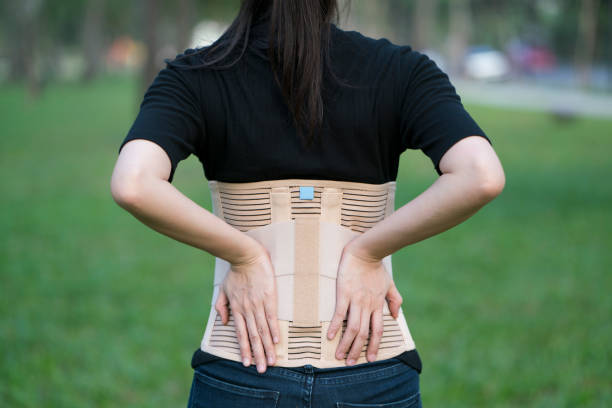
Proper Use and Care Tips for Long-Lasting Neoprene Back Support
Neoprene back supports have become an essential tool for individuals seeking relief from back pain, improved posture, or additional stability during physical activities. Whether you are an athlete, office worker, or someone recovering from a minor back injury, these supports provide a combination of flexibility, compression, and heat retention that can enhance comfort and aid recovery. However, to maximize their effectiveness and longevity, it is important to understand proper use and care practices.
Using a neoprene back support correctly ensures that you receive the intended benefits while preventing potential discomfort or reduced effectiveness. Products like Neoprene Back Support are designed to be worn snugly around the lower back, offering targeted support to the lumbar region. Proper fitting, regular maintenance, and mindful use are essential to maintain the durability of the support and to ensure it continues to provide the stability and relief it is designed for.
How to Wear Neoprene Back Support Correctly
The first step in using a neoprene back support effectively is ensuring it fits properly. The support should be snug but not overly tight, allowing for comfortable movement while providing compression and stability. Over-tightening can restrict blood flow or cause unnecessary pressure, while a loose fit may reduce the support’s effectiveness. Most neoprene supports come with adjustable Velcro straps or closures that allow users to customize the fit according to their body shape and activity level.
Placement is also crucial. The brace should cover the lumbar area of the lower back, extending slightly above and below the natural curve of the spine. This ensures that the muscles and ligaments in the lower back are adequately supported. For individuals who spend long hours sitting, it is important to wear the support during periods of activity rather than continuously throughout the day, as prolonged use without breaks may cause dependency or discomfort.
Best Practices for Daily Use
Neoprene back supports are versatile and can be used during various activities, including exercise, work, or household tasks. When using the support during physical activity, it is important to combine it with proper body mechanics and posture. For example, when lifting objects, bend at the knees instead of the waist, and keep the core engaged to maximize the protective benefits of the brace.
For office workers or individuals who sit for long periods, wearing the support intermittently can help reduce fatigue in the lower back. It is recommended to remove the brace during rest periods or when performing light activities that do not require additional support. This prevents over-reliance on the brace while still providing effective muscle stabilization when needed.
It is also important to monitor your body’s response to wearing the support. Any signs of discomfort, redness, or restricted movement indicate that adjustments may be needed. Ensuring proper use will help maintain both comfort and functionality over time.
Cleaning and Maintenance Tips
Proper care is essential for extending the life of a neoprene back support. Regular cleaning prevents the buildup of sweat, oils, and bacteria, which can degrade the material over time. Most neoprene supports can be hand-washed using mild soap and lukewarm water. Avoid using harsh detergents or bleach, as these can damage the material and reduce its elasticity.
After washing, the support should be rinsed thoroughly to remove any soap residue and then air-dried. It is important to avoid direct sunlight or high heat sources, such as dryers or radiators, as excessive heat can warp or weaken the neoprene material. Allowing the brace to dry completely before storing it prevents mold or mildew formation.
When not in use, store the support in a cool, dry place away from sharp objects or excessive pressure. Rolling or folding it loosely can help maintain its shape without causing creases that might reduce effectiveness.
Tips for Longevity and Optimal Use
In addition to proper cleaning and storage, regular inspection of the support is recommended. Check for signs of wear, such as frayed edges, weakened Velcro, or loss of elasticity. Addressing minor issues early can prevent further damage and ensure continued support.
Avoid wearing the neoprene support over prolonged periods without breaks, as this may reduce muscle engagement and lead to dependency. Integrating stretching and strengthening exercises into your routine can enhance the benefits of the support and improve overall back health.
Lastly, follow any manufacturer guidelines regarding the weight limits, usage recommendations, and replacement schedules. Following these guidelines ensures that you continue to receive the intended performance and protection benefits from your neoprene back support.
Conclusion
Neoprene back supports provide effective compression, stability, and heat retention to relieve discomfort, support posture, and prevent injuries. To maximize their effectiveness and longevity, it is essential to wear them correctly, maintain proper hygiene, and store them properly. By following these tips, users can enjoy the full benefits of their support while ensuring that the product remains durable and reliable over time. Proper use and care not only enhance comfort and performance but also help individuals maintain healthier backs in their daily lives.