
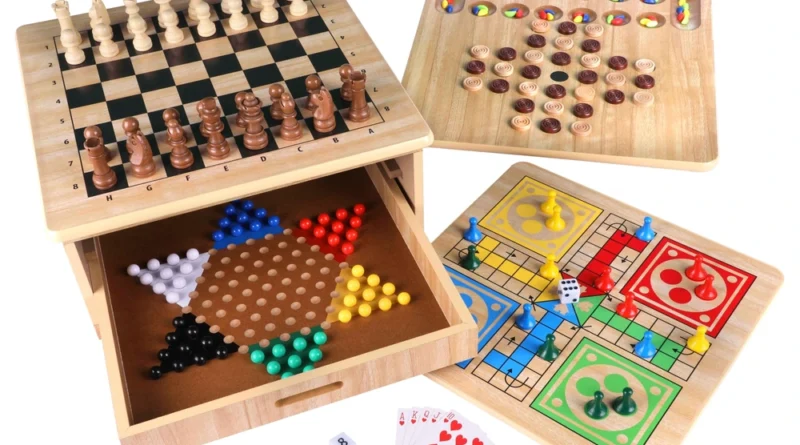
Wooden Games: Exploring Classic Designs for Family Entertainment and Educational Play
Games have always been a popular way for people to connect, learn, and enjoy their free time. From traditional board games to hands-on puzzles, recreational activities can bring families together while encouraging creativity and friendly competition. Wooden games have maintained their appeal across generations because of their simple designs, tactile qualities, and versatility. They offer entertainment for different age groups and can be enjoyed at home, in classrooms, and during social gatherings.
A well-designed Wooden Game can combine recreation with valuable learning opportunities. Depending on its format, it may encourage logical reasoning, memory, coordination, strategic thinking, and teamwork. Whether it is a classic board game, a stacking challenge, or an interactive puzzle, wooden play equipment provides a practical way to make leisure time more engaging. Understanding the available designs and their benefits can help families, educators, and activity organizers choose suitable options.
What Are Wooden Games?
Wooden games are recreational activities made primarily from wood. They include board games, puzzles, strategy games, stacking challenges, and skill-based activities. Some are based on traditional designs that have been played for generations, while others introduce modern rules and creative variations.
Common examples include:
- Board games: Activities involving boards, playing pieces, dice, or counters.
- Strategy games: Games that require players to plan moves and anticipate opponents’ decisions.
- Wooden puzzles: Challenges involving matching, arranging, or assembling pieces.
- Stacking games: Activities that test balance, coordination, and careful movement.
- Outdoor games: Larger wooden activities designed for gardens, parks, and group events.
- Educational games: Products that introduce numbers, letters, shapes, colors, and other learning concepts.
Their variety makes wooden games suitable for different interests, ages, and playing environments.
Why Wooden Games Remain Popular
Despite the growth of digital entertainment, traditional wooden games continue to attract families, schools, and recreational organizations.
Durable and Practical Construction
Wood is a widely used material for games because it can be shaped into solid boards, blocks, counters, and puzzle pieces. When properly manufactured and maintained, wooden components can withstand repeated handling.
Hands-On Entertainment
Unlike screen-based activities, wooden games involve physical interaction. Players move pieces, arrange blocks, roll dice, and manipulate components directly.
This tactile experience can make play more engaging, especially for children who benefit from practical activities.
Simple and Timeless Designs
Many traditional wooden games use straightforward rules and recognizable components. This makes them accessible to beginners while allowing experienced players to develop more advanced strategies.
Suitable for Different Settings
Wooden games can be used in living rooms, classrooms, libraries, activity centers, gardens, and community spaces. Their range of sizes and formats makes it possible to find options for both individual play and group entertainment.
Popular Types of Wooden Games
Different game designs offer different experiences. Choosing the right type depends on the players’ interests, available space, and desired level of challenge.
1. Wooden Board Games
Wooden board games often include a playing surface, counters, tokens, or dice. Traditional examples include Ludo, chess, checkers, and other turn-based activities.
These games can encourage players to follow rules, plan their moves, and make decisions based on changing situations.
2. Wooden Puzzle Games
Puzzle games challenge players to solve a problem by arranging, connecting, or moving individual pieces.
Examples include shape-matching boards, interlocking puzzles, wooden mazes, and mathematical brain teasers. They can support visual recognition, logical reasoning, and persistence.
3. Wooden Stacking Games
Stacking games involve arranging blocks or pieces into a stable structure. Some versions require players to remove individual blocks without causing the structure to fall.
These activities encourage careful movement, balance, concentration, and hand-eye coordination. They can also create an enjoyable competitive atmosphere during family gatherings.
4. Wooden Strategy Games
Strategy games require players to think ahead and consider the possible consequences of their actions. Chess and checkers are familiar examples.
These games can help players practice planning, pattern recognition, decision-making, and patience.
5. Wooden Outdoor Games
Larger wooden games are designed for gardens, parks, picnics, and social events. Examples include outdoor bowling, Kubb, giant stacking games, and other group activities.
They offer opportunities for movement, friendly competition, and shared entertainment outside the home.
6. Wooden Educational Games
Educational games use interactive components to introduce basic concepts such as counting, letters, shapes, colors, and simple mathematics.
They are often designed for younger learners and can complement structured lessons through practical play.
Educational Benefits of Wooden Games
Wooden games can contribute to learning by giving players opportunities to explore ideas through direct interaction. The specific benefits depend on the game and the way it is used.
Develops Problem-Solving Skills
Many games involve a clear objective and a set of rules. Players must identify possible actions, assess the situation, and choose an approach that moves them closer to success.
Puzzle games and strategy activities are particularly useful for practicing this type of thinking.
Encourages Logical Reasoning
Games involving sequences, matching, or strategic decisions encourage players to recognize patterns and understand relationships between different elements.
For example, a player working on a wooden maze must consider possible routes, while a board-game participant may need to anticipate an opponent’s next move.
Supports Hand-Eye Coordination
Moving counters, placing puzzle pieces, stacking blocks, and handling small components involve controlled movements guided by visual information.
These activities can provide opportunities to practice hand-eye coordination and fine motor control.
Improves Concentration
Players need to pay attention to the rules, positions of pieces, and progress of the game. Maintaining focus is especially important in puzzles and activities that require careful planning.
Encourages Creativity
Some wooden games allow players to build structures, invent variations, or explore different solutions. Open-ended construction and stacking activities can provide opportunities for imaginative play.
Promotes Social Skills
Multiplayer games encourage communication, cooperation, turn-taking, and respect for rules. They also give participants opportunities to practice handling both winning and losing in a positive way.
Wooden Games for Family Entertainment
Family games provide a convenient way for people of different ages to spend time together. Wooden designs can be especially suitable because many are easy to understand and do not require complicated technology.
Family Game Nights
A regular game night can include board games, puzzles, and stacking challenges. Rotating activities helps keep the experience interesting and gives different family members a chance to choose the game.
Friendly Competitions
Simple scorekeeping can turn a casual activity into a friendly competition. Families can organize short rounds or team-based challenges while keeping the focus on enjoyment rather than winning.
Activities for Different Age Groups
Younger children may prefer matching games and simple puzzles, while older players may enjoy strategy games and more complicated challenges.
Choosing games with adjustable difficulty can make it easier for family members to participate together.
Screen-Free Recreation
Wooden games offer an alternative to digital entertainment. They encourage players to interact with physical objects and communicate directly with one another.
Using Wooden Games in Educational Environments
Schools, nurseries, libraries, and learning centers can incorporate wooden games into structured and informal activities.
Classroom Learning Stations
Teachers can create activity stations with different games. One station might focus on number recognition, another on shape matching, and another on problem-solving.
This approach gives students opportunities to practice different skills through interactive play.
Group Activities
Multiplayer games can help students learn how to cooperate, communicate, and take turns. Teachers can assign teams and encourage participants to explain their decisions.
Mathematics Practice
Counting games, number puzzles, and strategy boards can support lessons involving addition, sequencing, spatial relationships, and basic calculations.
Independent Play
Simple puzzles and matching games can be made available during independent activity periods. Students can select challenges that match their interests and abilities.
Learning Through Experimentation
Construction and stacking games allow children to test different arrangements and observe what happens. This provides practical opportunities to explore balance, structure, and cause and effect.
How to Choose Quality Wooden Games
Selecting suitable wooden games involves considering the intended players, product construction, difficulty, and playing environment.
| Buying consideration | What to look for |
|---|---|
| Material quality | Well-finished wood and reliable construction |
| Surface finish | Smooth edges without splinters |
| Age suitability | Components and rules appropriate for the intended players |
| Game design | Clear objectives and understandable instructions |
| Durability | Pieces that can withstand regular handling |
| Safety | Appropriate sizes and finishes for the intended age group |
| Number of players | Suitable for individual, two-player, or group activities |
| Storage | A box, bag, or organized space for components |
| Portability | Convenient dimensions for transport |
| Educational value | Opportunities to practice relevant skills |
Check the Material and Finish
The wooden components should be smooth, stable, and free from visible damage. Check for sharp edges, splinters, cracks, and loose parts.
A suitable finish can help protect the material and improve the feel of the pieces during use.
Consider the Intended Age Group
Age recommendations help buyers identify games that are likely to suit the intended players. Younger children generally benefit from larger components and simpler instructions.
Older children and adults may prefer games with more detailed rules, smaller pieces, or greater strategic complexity.
Match the Game to the Playing Environment
A compact board game may be ideal for a family living room, while a large outdoor game requires sufficient open space.
Schools and activity centers may benefit from sets that are easy to store, transport, and distribute.
Review the Game Instructions
Clear instructions make it easier for new players to understand the objective and rules. This is particularly important for group settings where organizers may need to explain the game to several participants.
Tips for Making Wooden Games More Enjoyable
The way a game is introduced can influence how much participants enjoy it. A few practical ideas can help create a positive playing experience.
- Start with simple rules: Explain the objective and demonstrate the basic moves before beginning.
- Choose suitable difficulty: Select a game that provides an enjoyable challenge without overwhelming beginners.
- Encourage participation: Give each player an opportunity to take part rather than allowing only experienced participants to dominate.
- Try team formats: Team play can make games more inclusive and encourage communication.
- Rotate activities: Changing games can maintain interest during longer events.
- Celebrate effort: Recognize creative thinking, teamwork, and improvement as well as winning.
- Introduce variations: Once everyone understands the basic rules, try agreed variations to make familiar games more interesting.
Wooden Games for Outdoor Events and Group Activities
Wooden games are not limited to indoor entertainment. Many larger designs are suitable for outdoor recreation and social events.
Garden Parties
Outdoor bowling, giant stacking games, and other simple challenges can provide entertainment for guests. Players can join short rounds throughout the event.
School Sports Days
Group games can be included in school activity programs to encourage participation and friendly competition. Organizers should choose equipment suitable for the students’ ages and abilities.
Community Gatherings
Wooden games can be used at festivals, family events, and local recreational activities. Their straightforward formats make it easier for newcomers to participate.
Workplace Events
Team-based wooden games can add a recreational element to workplace gatherings. They provide opportunities for communication, cooperation, and informal interaction.
Wooden Games Compared With Digital Games
Both traditional and digital games offer different forms of entertainment. Wooden games are particularly useful when people want a physical, shared activity.
| Feature | Wooden games | Digital games |
|---|---|---|
| Interaction | Physical pieces and boards | Screens and digital controls |
| Social experience | Often encourages face-to-face play | May be individual or online multiplayer |
| Physical handling | Direct manipulation of components | Usually involves controllers or touchscreens |
| Learning opportunities | Can support spatial and practical activities | Can provide interactive digital learning |
| Power requirements | Usually no electricity needed | Often requires a powered device |
| Portability | Depends on the size and number of components | Depends on the device |
Neither format is suitable for every situation. Wooden games offer a useful alternative when families and educators want hands-on activities and direct social interaction.
Caring for and Maintaining Wooden Games
Proper care can help preserve the appearance and functionality of wooden game components.
- Clean pieces with a soft, dry cloth to remove dust.
- Avoid soaking wooden components in water.
- Store games in a dry place away from excessive moisture.
- Keep small pieces in their original box or a suitable container.
- Check boards, blocks, and accessories for cracks or damage.
- Follow the manufacturer’s cleaning and maintenance recommendations.
- Keep games intended for young children away from unsuitable storage conditions.
For products used by children, adults should inspect the pieces regularly and remove damaged components from play.
What to Consider When Buying Wooden Games Online
Online shopping provides access to a wide range of game designs, but checking product information carefully is important.
Review the product description to understand the materials, dimensions, included components, recommended age range, and number of players. These details help buyers determine whether the game suits their intended purpose.
Product photographs and customer feedback, when available, may also help clarify the appearance and practical features of a set. For schools or organizations buying multiple products, consider durability, storage requirements, and how easily equipment can be shared between groups.
It is also useful to check the seller’s information about delivery, returns, and product support before completing an order.
Conclusion
Wooden games bring together traditional entertainment, hands-on interaction, and opportunities for educational play. From board games and puzzles to stacking challenges and outdoor activities, their varied designs can suit families, schools, clubs, and community groups.
Choosing the right game involves considering the players’ ages, interests, abilities, and available space. Quality construction, smooth finishes, clear instructions, and practical storage can all contribute to a better experience.
With suitable equipment and thoughtful activity choices, wooden games can make family gatherings more engaging, support learning through play, and provide enjoyable screen-free entertainment for people of different generations.


