Why Regular Blood Work Is Essential In Veterinary Clinics
You might be feeling torn when your veterinarian recommends blood testing, especially if your pet seems fine at home. They are eating, greeting you at the door, and doing all the little things that make you think everything is normal. Then comes the suggestion for lab work, and suddenly you are balancing concern, cost, and the quiet fear of what the results might show. That tension is real. The short answer is simple, though. Regular blood work helps catch problems early, guides treatment more safely, and gives your animal clinic in Dallas a clearer picture of your pet’s health before small issues turn into painful or expensive ones.
Pets are good at hiding illness. By the time you notice weight loss, low energy, vomiting, or changes in thirst, a condition may already be well underway. Because of that, routine blood testing for pets is often less about reacting to a crisis and more about staying ahead of one. It gives your care team a way to compare today’s health with past results, which matters more than many people realize.
Why does regular blood work matter when your pet looks healthy?
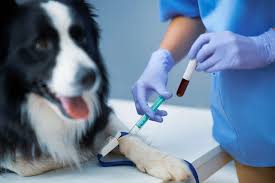
This is one of the most common questions, and it makes sense. If your dog or cat seems normal, why test at all? The answer is that blood work can reveal changes you cannot see from the outside. It can point to kidney strain, liver changes, infection, anemia, blood sugar problems, inflammation, and more. In many cases, these changes show up in lab values before a pet acts sick.
So, where does that leave you? It means a routine visit can become a chance to find a problem early, when treatment is often simpler and outcomes are better. A baseline blood panel also helps your veterinarian know what is normal for your pet. If illness develops later, that earlier information can make diagnosis faster and more accurate.
Clinical chemistry testing is one of the tools veterinary teams use to assess organ function and overall health. Cornell’s Animal Health Diagnostic Center explains how these tests help evaluate systems such as the liver, kidneys, and pancreas through clinical chemistry testing guidelines. That kind of insight can shape everything from diet changes to urgent treatment decisions.
What can blood work reveal before symptoms become obvious?
Sometimes the value of blood work becomes clear only after a surprise result. A senior cat may come in for a wellness exam and show early kidney disease on lab work, even though she still jumps onto the couch and asks for dinner on time. A young dog scheduled for a dental cleaning may have liver values that suggest more testing is needed before anesthesia. A pet on long term medication may need dose changes because the medicine is affecting organ function.
These are not rare situations. They are part of everyday care in a veterinary clinic. And when issues are found early, your pet may avoid an emergency visit, a hospital stay, or a much harder recovery. That is why preventive blood screening in veterinary clinics matters. It turns hidden risk into useful information.
Blood work also plays a role in urgent care. If a pet is weak, pale, or bleeding, fast lab testing can show whether a transfusion may be needed. In severe cases, access to resources such as the Virginia Tech Veterinary Teaching Hospital blood bank can support life saving treatment. In other words, blood testing is not just paperwork before a procedure. It is part of how clinics make careful, informed decisions under pressure.
How do the benefits of regular blood work compare with waiting for symptoms?
When you are trying to make a smart decision, it helps to see the difference side by side. Waiting can feel easier in the moment, especially if your pet seems comfortable. But the long view often tells a different story.
| Approach | What It Offers | Possible Downsides |
| Regular wellness blood work | Creates a baseline, finds hidden disease early, supports safer anesthesia, monitors aging and medications | Upfront cost, possible follow up testing if something unusual appears |
| Testing only when symptoms appear | Avoids immediate testing cost if your pet seems well | Can miss early disease, may lead to more urgent and costly care, less time to plan treatment |
| Blood work before surgery or dental procedures | Helps assess organ function and anesthesia risk, can uncover conditions that affect procedure safety | May delay a procedure if abnormal results need review |
The point is not that every test leads to bad news. Often, the best result is normal blood work. That gives you peace of mind and gives the clinic a reference point for the next visit. And if there is a small change, you have time to respond before it grows into something harder.
What should you do if your veterinary clinic recommends blood work?
Ask what the test is meant to check. Blood work is not one single test. It may include a complete blood count, chemistry panel, thyroid screening, or other targeted checks. When you know the reason behind the recommendation, whether it is age, symptoms, medication monitoring, or anesthesia safety, the decision feels less vague and more grounded.
Request a copy of the results and trends. Numbers mean more over time. If your pet has yearly or twice yearly testing, ask your veterinarian to explain what changed and what stayed stable. A value that is still in the normal range but creeping upward can matter when viewed next to prior results. This is one of the simplest ways to get more value from a veterinary clinic visit.
Build blood work into your pet’s routine care plan. Puppies and kittens may need testing for different reasons than adult or senior pets. Older pets, pets with chronic conditions, and pets taking long term medications often benefit from more regular monitoring. If cost is a concern, ask which tests are most important now and which can be scheduled later. A good plan is often more manageable than a last minute emergency.
Could regular blood work give you more peace of mind?
In many cases, yes. It does not remove every worry, and it cannot prevent every illness, but it gives you better information at the right time. That matters when you are trying to protect a pet who cannot tell you what hurts. Pet blood work is one of the clearest ways a veterinary clinic can look beneath the surface and make decisions based on facts, not guesses.
If your veterinarian brings up regular blood work, it is worth seeing it as an act of care, not an extra step to endure. Early answers can lead to gentler treatment, safer procedures, and fewer painful surprises. When you are ready, talk with your veterinary clinic about the right testing schedule for your pet and what those results can tell you now, before a quiet problem becomes a crisis.