
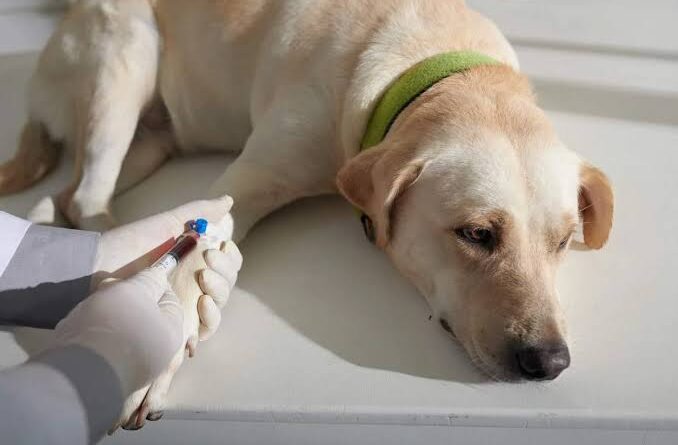
Why Blood Work Is Standard In Animal Hospitals
You might be feeling a little uneasy the moment your pet’s care team at an animal hospital in Houston Heights, TX recommends blood tests. Maybe your dog came in for vomiting, your cat is due for a dental procedure, or your older pet just “isn’t acting right,” and now there is one more line on the estimate. It is a common moment of tension, because you want to do what is right, but you also want to understand why it matters. The short answer is simple. Blood work helps an animal hospital see what the body is doing on the inside, often before problems are obvious on the outside, and that makes care safer, faster, and more precise.
That is really why blood work in animal hospitals has become such a routine part of care. It is not done to add steps for the sake of it. It is done because pets cannot explain what they feel, symptoms can overlap, and many conditions look the same at first glance. A pet who seems tired could be dealing with infection, organ stress, anemia, dehydration, hormone disease, or something else entirely. Blood testing helps narrow that down.
Why does an animal hospital recommend blood tests even when my pet looks okay?
This is one of the hardest parts for pet owners, because many animals appear normal until they are not. Dogs and cats are good at masking pain and illness, which means serious changes can be happening quietly. A routine blood panel can reveal issues with the liver, kidneys, blood sugar, electrolytes, red blood cells, and white blood cells before a pet shows clear warning signs.
Because of that, blood work is often used in both sick visits and wellness care. It helps build a baseline when your pet is healthy, and that baseline becomes useful later if something changes. If your pet needs surgery, blood testing also helps the care team check whether anesthesia is likely to be tolerated well. That is one reason pre anesthetic screening is so common in an animal hospital blood testing setting.
Veterinary clinical pathology services are built around this kind of early insight. Schools and diagnostic centers such as Washington State University Clinical Pathology show how blood analysis supports day to day decision making in hospitals, from screening to urgent care.
What can blood work actually tell your veterinarian?
A lot, and often more than people expect. A complete blood count can show whether your pet may have infection, inflammation, anemia, or clotting concerns. A chemistry panel can give clues about kidney and liver function, protein levels, glucose, and electrolyte balance. These are not small details. They can change treatment choices right away.
So, where does that leave you if your pet is sick today? It means blood work can keep the visit from becoming guesswork. If a cat is losing weight, for example, testing may point toward thyroid disease, diabetes, kidney disease, or another condition that needs a different plan. If a dog has been vomiting, blood work can help separate a mild stomach issue from pancreatitis, toxin exposure, or organ trouble.
Resources like Cornell’s clinical chemistry testing guidelines explain how these values help veterinarians interpret body function in a structured way. The goal is not just to collect numbers. It is to connect those numbers to the pet in front of you.
Why is standard blood screening often worth it before treatment or surgery?
When a pet needs a procedure, timing matters, but safety matters too. Blood work can reveal hidden concerns that may change the anesthetic plan, fluid support, medication choice, or even whether a procedure should wait. That can feel frustrating if you were hoping to get everything done in one visit, yet it often protects your pet from avoidable risk.
There is also a financial side to this that deserves honesty. Blood testing does add cost up front. But skipping it can sometimes lead to a much larger cost later if an illness is missed, a condition worsens, or treatment is chosen without key information. In many cases, a standard panel helps prevent a longer, more expensive chain of trial and error.
How do the benefits and tradeoffs of veterinary blood work compare?
It helps to see the decision clearly, especially when you are balancing stress, timing, and budget.
| Situation | What Blood Work May Offer | What Can Happen Without It |
|---|---|---|
| Wellness exam | Baseline values, early disease detection, age related screening | Silent problems may go unnoticed until symptoms appear |
| Sick pet visit | Faster answers, better treatment choices, clearer next steps | More guesswork, delayed diagnosis, repeat visits |
| Before anesthesia or surgery | Checks organ function, blood sugar, hydration, and other safety markers | Hidden risks may affect how well a pet handles the procedure |
| Chronic disease monitoring | Tracks response to medication and disease progression | Changes may be missed until the pet becomes unstable |
Diagnostic laboratories such as the University of Illinois Clinical Pathology service reflect how central this testing is to modern veterinary care. It supports screening, diagnosis, and ongoing monitoring across many conditions.
What should you do when your pet’s veterinarian suggests blood work?
1. Ask what question the test is meant to answer. Not every panel is the same, and it is fair to ask whether the goal is screening, diagnosis, surgical safety, or monitoring. When you know the purpose, the recommendation often makes more sense.
2. Ask how the results could change the plan. This is a useful way to understand value. Will the results affect medication choice, imaging, fluids, anesthesia, or whether treatment should happen today? If the answer is yes, that tells you the test is tied to a real decision.
3. Ask about timing and options. If cost is a concern, say so. In many cases, the team can explain what is most urgent now and what may be scheduled later. Good care is not about pressure. It is about making informed choices for your pet with the information available.
What is the real reason blood work is standard in animal hospitals?
At the end of the day, veterinary blood work is standard because it helps your pet’s care team see what symptoms alone cannot show. It supports earlier detection, safer procedures, and more confident treatment decisions. And when you are worried about a pet who cannot tell you what hurts, that kind of clarity matters.
If blood work has been recommended for your pet, it is okay to pause and ask questions. In fact, you should. Once you understand what the test is looking for and how it can guide care, the recommendation often feels less like an extra and more like what it really is, a practical step toward protecting your pet’s health.


