
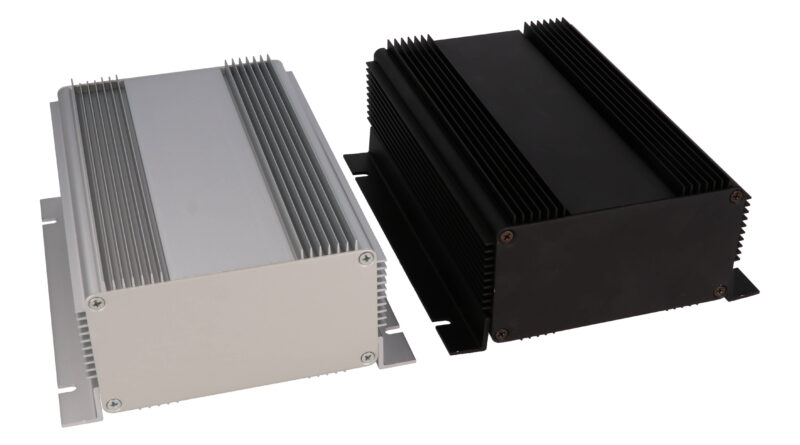
Top Qualities of a Professional Aluminium Enclosure Manufacturer
Aluminium enclosures are widely used in industrial, electrical, and electronic applications where protection, durability, and precision are essential. Because these enclosures often operate in demanding environments, the quality of manufacturing directly impacts system reliability and performance. Choosing the right supplier is therefore a critical decision for engineers, procurement teams, and system designers.
A professional aluminium enclosure manufacturer stands out not just through product offerings but through engineering capability, quality assurance, and consistent adherence to global standards. Understanding the key qualities of a reliable manufacturer helps businesses avoid production risks and ensures long-term operational success.
Strong Engineering and Design Expertise
One of the most important qualities of a professional manufacturer is strong engineering capability. Aluminium enclosures often require custom configurations based on application needs, making design expertise essential.
Key aspects of engineering strength include:
- Advanced CAD-based design and modeling
- Experience with thermal and structural optimization
- Ability to develop custom enclosure solutions
- Knowledge of industrial application requirements
Manufacturers with strong engineering teams can transform complex requirements into efficient, manufacturable designs that perform reliably in real-world conditions.
Advanced Manufacturing Technology
Modern aluminium enclosure production relies heavily on precision machinery and automated systems. Manufacturers that invest in advanced technology are better equipped to deliver consistent quality and tight tolerances.
Essential manufacturing technologies include:
- CNC machining for precise component fabrication
- Laser cutting for complex geometries
- Automated bending and forming systems
- High-quality extrusion processes
These technologies ensure that each enclosure meets exact dimensional specifications while maintaining structural integrity and repeatability across production batches.
Commitment to Quality Standards
Quality assurance is a defining characteristic of a professional manufacturer. Aluminium enclosures are often used in critical systems, so adherence to strict standards is essential.
Common quality and safety standards include:
- ISO-certified quality management systems
- IP ratings for dust and water resistance
- IK ratings for impact protection
- RoHS compliance for environmental safety
- UL certification for electrical applications
Manufacturers that follow these standards demonstrate a commitment to reliability, safety, and international compliance.
Customization Capabilities
Industries often require enclosures tailored to specific operational needs. A professional manufacturer must offer flexible customization options to accommodate different applications.
Customization may include:
- Modified dimensions and structural designs
- Special cutouts for connectors and interfaces
- Custom mounting systems and internal layouts
- Branding, labeling, or color finishing options
- Enhanced sealing or ventilation features
The ability to provide tailored solutions ensures that enclosures integrate seamlessly into complex systems.
Strong Material Selection and Processing
Material quality plays a major role in the durability and performance of aluminium enclosures. Professional manufacturers carefully select and process aluminium alloys based on application requirements.
Key material-related qualities include:
- Use of high-grade corrosion-resistant aluminium
- Proper alloy selection for strength and weight balance
- Controlled surface preparation before fabrication
- Consistent material sourcing and traceability
High-quality material processing ensures long-lasting performance even in harsh environmental conditions such as outdoor installations or industrial facilities.
Reliable Quality Control and Testing
Quality control is not a single step but an ongoing process throughout manufacturing. Professional manufacturers implement strict testing procedures to ensure product reliability before delivery.
Common testing procedures include:
- Dimensional accuracy inspection
- IP and sealing performance tests
- Mechanical strength and impact testing
- Thermal performance evaluation
- Electrical safety verification
These tests help ensure that each enclosure performs as expected under real-world operating conditions.
Efficient Production and Delivery Systems
Timely delivery is another important quality of a reliable manufacturer. Efficient production planning and supply chain management help ensure that projects remain on schedule.
Key operational strengths include:
- Scalable production capacity for large orders
- Optimized workflow for reduced lead times
- Reliable logistics and packaging systems
- Consistent communication and order tracking
Manufacturers that prioritize efficiency help clients avoid delays and maintain smooth project execution.
Conclusion
A professional aluminium enclosure manufacturer is defined by more than just production capability. Engineering expertise, advanced manufacturing technology, strict quality control, and customization flexibility all contribute to overall reliability and performance.
By evaluating these key qualities, businesses can select a manufacturing partner that delivers durable, high-performance enclosure solutions. In industries where precision and reliability are critical, choosing the right manufacturer plays a direct role in long-term success and system stability.