
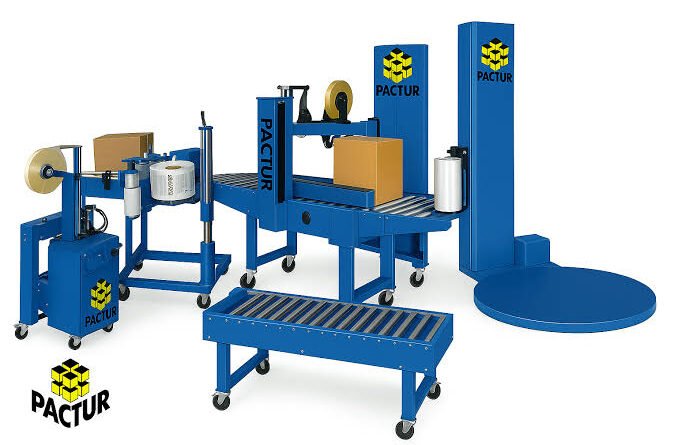
The Importance of Quality and Reliability in End of Line Packaging Machinery
In modern manufacturing, packaging equipment plays a critical role in preparing finished products for storage, transportation, and distribution. A production facility may operate advanced filling, processing, and assembly machines, but unreliable packaging equipment can still interrupt the entire workflow. Frequent breakdowns, inconsistent sealing, inaccurate labeling, and poor carton handling can increase operating costs and affect delivery schedules.
Investing in high-quality End of Line Packaging Machinery helps manufacturers maintain stable production processes and achieve consistent packaging results. Reliable machines are designed to perform repetitive tasks accurately, withstand demanding operating conditions, and work effectively with other equipment in the production line. Understanding the importance of machinery quality can help businesses make better investment decisions and maintain long-term operational performance.
1. Maintaining Consistent Production Performance
Production efficiency depends on the ability of every packaging station to perform its assigned task consistently. When a machine operates unpredictably, the effects can extend to other connected equipment.
For example, frequent interruptions in a carton sealing machine may cause cases to accumulate on the conveyor. This can eventually affect upstream case packing operations and reduce overall production output.
Quality machinery helps maintain stable operating performance through reliable mechanical components, suitable control systems, and accurate operating settings.
Consistent performance is especially important for manufacturers handling large production volumes or operating multiple shifts.
2. Reducing Unexpected Equipment Downtime
Unplanned downtime is one of the major challenges in manufacturing environments. Equipment failures can interrupt production, delay shipments, and create additional maintenance expenses.
Reliable packaging machines are generally designed with durable components and suitable protection for their intended operating conditions.
Regular maintenance further improves equipment availability. Important activities include:
- Inspecting motors, bearings, and mechanical drives.
- Checking conveyor belts, rollers, and chains.
- Cleaning sensors and electrical components.
- Examining sealing and adhesive application mechanisms.
- Checking pneumatic systems and connections.
- Replacing worn components according to maintenance schedules.
Combining quality equipment with preventive maintenance helps reduce the likelihood of unexpected failures.
3. Improving Packaging Accuracy
Packaging accuracy affects product protection, identification, and customer satisfaction.
Machines with poorly controlled movements or inconsistent operating settings may produce improperly sealed cartons, misplaced labels, or incorrect product arrangements.
High-quality packaging equipment uses appropriately designed mechanisms, sensors, and control systems to maintain repeatable operations.
For example, automatic case packers can follow programmed product arrangements, while labeling machines apply identification information at consistent positions.
Improved accuracy can reduce packaging errors, rework, and unnecessary material consumption.
4. Protecting Products During Handling and Transportation
Finished products may pass through several handling stages before reaching their final destination. Weak cartons, improper sealing, and unstable pallet loads can increase the risk of damage.
Reliable end-of-line equipment helps prepare products for these conditions.
Carton sealing machines secure shipping boxes, stretch wrappers stabilize pallet loads, and palletizing systems arrange cartons according to suitable stacking patterns.
The machinery must be selected according to product weight, carton strength, packaging materials, and transportation requirements.
Consistent packaging operations help reduce avoidable handling problems and support better product protection throughout distribution.
5. Extending Equipment Service Life
The quality of materials, components, and engineering influences how well packaging machinery performs over time.
Machines designed for their intended operating environment are more likely to withstand repeated movements, regular production cycles, and normal mechanical wear.
Important factors affecting equipment service life include:
- Structural strength and frame construction.
- Quality of motors, bearings, and drive components.
- Electrical and control system reliability.
- Protection against dust, moisture, and other environmental conditions.
- Availability of replacement parts.
- Ease of routine inspection and servicing.
A longer service life can improve the overall value of an equipment investment, although actual durability also depends on operating conditions and maintenance practices.
6. Supporting Consistent Carton Sealing and Closure
Carton sealing is an important step in preparing products for shipment. Poorly sealed boxes may open during handling or fail to provide adequate protection.
High-quality carton sealing machines help maintain consistent tape or adhesive application.
Automatic systems can adjust to specified carton dimensions and apply sealing materials according to programmed settings.
Manufacturers should consider sealing accuracy, adhesive compatibility, box dimensions, operating speed, and adjustment requirements when evaluating equipment.
Regular inspection is also necessary to ensure that sealing mechanisms continue to perform correctly.
7. Improving Pallet Stability and Load Security
Palletized products must remain stable during lifting, storage, and transportation.
Inconsistent carton placement or unsuitable wrapping can cause loads to shift, potentially damaging products or creating handling risks.
Reliable palletizing machinery helps arrange cartons according to predefined patterns. Stretch wrapping equipment then applies film to secure the completed load.
The quality of the final pallet depends on several factors, including:
- Carton dimensions and strength.
- Pallet condition.
- Product weight distribution.
- Stacking pattern.
- Stretch film characteristics.
- Wrapping tension and coverage.
Well-maintained palletizing and wrapping equipment helps create more consistent loads for distribution.
8. Reducing Maintenance and Operating Expenses
Equipment reliability has a direct relationship with long-term operating costs.
Frequent breakdowns can lead to repair expenses, replacement parts, production losses, and additional labor requirements.
High-quality machinery may require a greater initial investment, but its total cost of ownership can be more favorable when it provides reliable performance and manageable maintenance requirements.
Manufacturers should evaluate:
- Expected maintenance intervals.
- Spare parts availability.
- Technical support arrangements.
- Energy consumption.
- Repair complexity.
- Expected equipment availability.
Comparing these factors provides a more complete picture than considering the purchase price alone.
9. Maintaining Product Identification and Traceability
Accurate identification is essential in industries where products must be tracked through manufacturing, storage, and distribution.
Labeling and coding equipment applies information such as batch numbers, manufacturing dates, expiration dates, and barcodes.
Reliable equipment helps maintain clear and readable identification while reducing the risk of missing or incorrectly positioned labels.
When connected with production databases, automated labeling systems can receive the correct information for different products and orders.
Manufacturers should also consider barcode verification and machine vision where additional identification checks are required.
10. Supporting Integration with Other Production Equipment
End-of-line machinery rarely operates in complete isolation. It typically connects with filling machines, wrapping equipment, conveyors, inspection systems, and warehouse handling solutions.
Poor equipment compatibility can create communication problems, product transfer delays, and unexpected interruptions.
High-quality machinery should support suitable integration through compatible controls, sensors, conveyor connections, and operating configurations.
For example, a case packer should receive products at an appropriate rate and transfer completed cartons smoothly to the sealing station.
Careful integration planning helps maintain coordination between machines and improves the performance of the complete packaging line.
11. Improving Workplace Safety
Reliable equipment contributes to a more controlled manufacturing environment.
Packaging machinery may include moving belts, mechanical arms, lifting systems, cutting mechanisms, and automated transfer devices. Faulty components or poorly maintained safety features can create hazards for operators.
Manufacturers should evaluate safety provisions such as:
- Emergency stop systems.
- Protective guards and interlocks.
- Safety sensors and light curtains where appropriate.
- Clearly identified operating controls.
- Safe maintenance access.
- Suitable warning indicators.
Equipment must be installed and operated according to applicable safety requirements. Employees should also receive training on operating procedures, emergency responses, and maintenance responsibilities.
12. Supporting High-Volume Manufacturing Requirements
Factories handling large production volumes require machinery that can operate consistently throughout extended production periods.
Equipment quality becomes particularly important when packaging operations run multiple shifts or process different product formats.
Reliable case packers, carton sealers, palletizers, and conveyor systems help maintain predictable output and reduce interruptions caused by equipment instability.
However, manufacturers should also ensure that machine capacity matches the requirements of the complete production line. A reliable machine with insufficient throughput can still become a bottleneck.
Selecting suitable capacity is therefore just as important as evaluating construction quality.
13. Providing Greater Operational Flexibility
Manufacturing requirements may change as businesses introduce new products, update packaging designs, or increase production volumes.
High-quality machinery with adjustable settings and flexible configurations can make these changes easier to manage.
Examples include:
- Carton sealers with adjustable guides.
- Case packers designed for different product arrangements.
- Robotic palletizers with programmable stacking patterns.
- Conveyors with configurable transfer points.
- Labeling systems that support multiple package formats.
This flexibility can help businesses adapt to changing requirements without replacing every machine in the packaging line.
14. Making Equipment Performance Easier to Monitor
Modern packaging machinery may include sensors, programmable logic controllers, and monitoring interfaces that provide information about operating conditions.
These systems can help operators identify faults, monitor production output, and understand equipment status.
Useful performance measurements include:
| Performance indicator | Importance |
|---|---|
| Equipment availability | Shows how consistently machinery is ready for production |
| Downtime frequency | Helps identify recurring operational problems |
| Packaging throughput | Measures the number of packages processed over time |
| Rejection rate | Indicates packaging or inspection quality issues |
| Maintenance frequency | Helps evaluate equipment servicing requirements |
| Changeover time | Measures how quickly machinery adapts to different products |
Monitoring these indicators helps manufacturers identify performance issues and plan improvements.
15. Choosing Reliable Packaging Machinery
Selecting reliable equipment requires a detailed evaluation of both technical specifications and supplier capabilities.
Manufacturers should consider the following factors before purchasing:
Machine construction: Examine the frame, mechanical components, drive systems, and materials used in the equipment.
Application suitability: Confirm that the machine can handle the required products, packaging materials, and operating conditions.
Performance capacity: Compare actual throughput requirements with the machine’s specified operating range.
Maintenance accessibility: Check whether important components are easy to inspect, clean, and replace.
Control system quality: Evaluate the reliability and usability of sensors, electrical components, and operator interfaces.
Supplier support: Review installation services, technical assistance, spare parts availability, and training provisions.
Long-term costs: Consider energy consumption, servicing, repairs, and expected operating life.
A comprehensive assessment helps manufacturers avoid equipment that appears affordable initially but creates higher costs over time.
Conclusion
Quality and reliability are essential considerations when investing in end-of-line packaging machinery. Reliable equipment helps manufacturers maintain consistent production performance, reduce unexpected downtime, improve packaging accuracy, protect products, and support safe workplace operations. It also contributes to better integration between packaging stations and more predictable manufacturing output.
However, equipment quality alone cannot guarantee long-term performance. Proper machine selection, suitable installation, operator training, and preventive maintenance are equally important. Manufacturers should evaluate both the technical capabilities of machinery and the support available throughout its operating life.
For businesses planning to improve their packaging operations, Techflow Pack provides an industry reference for exploring integrated equipment solutions designed to support dependable and efficient end-of-line processes.