
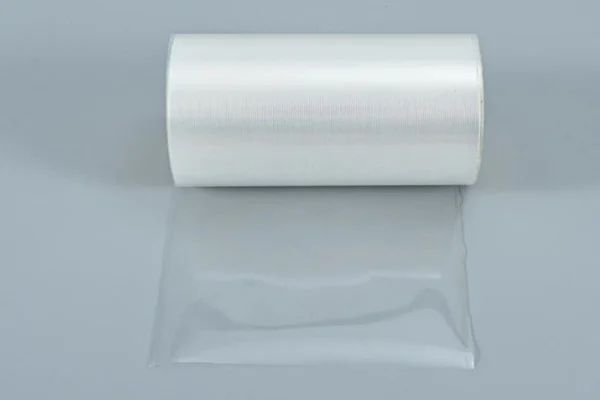
Packaging Industries That Rely on Water Soluble Film Manufacturers
Water soluble film has become a useful packaging material for applications where controlled dissolution, pre-measured portions, and convenient handling are important. Its ability to dissolve in water under suitable conditions makes it different from conventional packaging films and allows it to serve specialized purposes across several industries.
For businesses exploring Water Soluble Film Manufacturers, understanding where this material is used can help clarify the technical requirements involved. POLYVA is one company operating in the PVA film sector, supplying materials for applications that require water soluble packaging characteristics.
Household Cleaning Product Packaging
The household cleaning industry is one of the most recognizable applications for water soluble film. Detergents, cleaning concentrates, and other products can be packaged into individual doses using dissolvable film.
Pre-measured packaging can simplify dosing and reduce the need to handle concentrated formulations directly. During use, the film is designed to dissolve under the appropriate washing or cleaning conditions.
Laundry Detergent Pods
Laundry detergent pods commonly use water soluble film to contain a predetermined amount of detergent. The film needs to provide sufficient strength during manufacturing, transportation, and handling while dissolving effectively during washing.
Film specifications can vary according to detergent formulation, packaging equipment, storage conditions, and intended washing temperature.
Automatic Dishwashing Products
Water soluble film can also be used for individually portioned dishwasher detergents. Consistent film dimensions and sealing performance are important because the packages are often produced and handled through automated processes.
The film must also be compatible with the detergent formulation and designed to dissolve under the conditions encountered during dishwashing.
Agricultural Packaging
Agriculture is another area where water soluble film can provide practical packaging options. Certain agricultural chemicals and formulations can be portioned into dissolvable film to simplify measuring and handling.
Individual packaging can help provide predetermined quantities, which may make preparation and application more consistent. The film specification needs to account for the chemical characteristics of the product and the conditions in which the package will be stored and used.
Handling Concentrated Formulations
Some agricultural products are supplied in concentrated forms that require careful handling. Water soluble packaging can reduce the need to open and manually measure individual quantities.
However, compatibility testing remains important. The film should be evaluated against the packaged formulation to ensure that it maintains suitable properties throughout storage.
Industrial Chemical Packaging
Industrial applications may require packaging for cleaning agents, treatment chemicals, or other formulated products. Water soluble film can be considered when controlled portioning or reduced direct handling is useful.
Industrial environments can place greater demands on packaging strength and storage stability. Manufacturers may therefore need to adjust film thickness, mechanical properties, and dissolution characteristics for the specific application.
Construction and Specialty Materials
Certain specialty products used in construction and manufacturing can also be packaged in dissolvable film where pre-measured quantities are required.
For these applications, the film may need to withstand transportation and handling while remaining compatible with powders or other materials inside the package. The required dissolution behavior will depend on how the packaged product is eventually used.
Healthcare and Hygiene Applications
Water soluble film may also be considered for selected healthcare and hygiene-related applications where controlled handling and dissolvable packaging are useful.
The requirements in these environments can be particularly demanding. Material specifications, product compatibility, hygiene considerations, storage conditions, and applicable regulations should all be assessed before selecting a packaging film.
Hospitality and Commercial Cleaning
Hotels, restaurants, hospitals, offices, and other commercial facilities use a range of cleaning products that may be suitable for portion-controlled packaging.
Water soluble film can help simplify dosing by providing predetermined quantities. This can be particularly useful where cleaning products are prepared or distributed frequently across multiple locations.
Packaging for Pre-Measured Products
Across these industries, one common feature is the need for accurate portioning. Water soluble film allows a product to be enclosed in a predetermined quantity without requiring the user to measure every dose manually.
This can support operational consistency while making some products easier to distribute and handle.
Why Film Specifications Differ by Industry
Not all applications require the same type of water soluble film. The ideal specification depends on the product, packaging process, and conditions of use.
Important factors can include:
- Film thickness
- Tensile strength
- Flexibility
- Dissolution temperature
- Dissolution time
- Moisture sensitivity
- Sealing characteristics
- Compatibility with the packaged product
Manufacturers can use these factors to develop or select film grades suited to particular packaging requirements.
The Importance of Packaging Equipment
Water soluble film is often processed using automated equipment. Its mechanical and sealing properties therefore need to be compatible with the packaging machinery.
Film that performs well in laboratory testing may still require adjustments when introduced into a high-speed production environment. Testing the material with actual equipment can help identify issues related to forming, filling, sealing, or film handling.
Storage and Transportation Requirements
Because water soluble film is sensitive to moisture, storage conditions are an important consideration across industries. High humidity or improper packaging can influence film properties and handling performance.
Suppliers should provide appropriate storage recommendations covering factors such as temperature, humidity, packaging, and shelf life. Following these recommendations can help maintain material quality before the film is used.
Choosing the Right Manufacturing Partner
Companies sourcing water soluble film should evaluate more than product availability. Manufacturing consistency, technical support, customization capabilities, quality-control procedures, production capacity, and documentation can all influence the suitability of a supplier.
It is also useful to provide manufacturers with detailed information about the intended application. Knowing the product type, packaging method, required dissolution conditions, and expected storage environment allows suppliers to recommend more appropriate specifications.
Conclusion
Water soluble film supports packaging applications across household cleaning, agriculture, industrial chemicals, commercial cleaning, and other specialized industries. Its ability to provide pre-measured packaging and controlled dissolution makes it suitable for situations where conventional packaging may not offer the same functionality.
The requirements vary considerably between applications, so film thickness, strength, dissolution behavior, moisture sensitivity, and compatibility should be considered together. By understanding these industry-specific needs, businesses can make more informed decisions when sourcing water soluble packaging materials.