
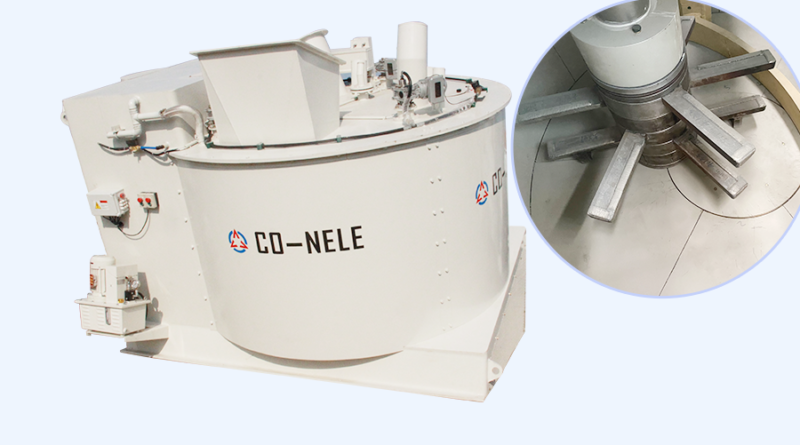
How to Choose the Right Automatic Foundry Sand Mixer for Your Foundry
Choosing the right sand mixing equipment is an important decision for any foundry. The quality and consistency of molding sand can directly affect mold performance, casting quality, production efficiency, and operating costs. A suitable mixer should match the foundry’s production requirements while delivering reliable and repeatable results.
When evaluating an Automatic Foundry Sand Mixer, it is important to consider more than just mixing capacity. Factors such as material characteristics, automation requirements, batch consistency, maintenance needs, and integration with existing equipment can all influence the long-term performance of the mixing system.
Start by Evaluating Your Production Requirements
The first step is to understand how much molding sand your foundry needs to process. Production volume should be compared with the mixer’s batch capacity and cycle time to ensure that sand preparation does not become a bottleneck.
A mixer that is too small may struggle to meet demand during peak production periods. On the other hand, equipment with significantly more capacity than required may increase unnecessary energy consumption and operating costs.
Consider both current production levels and expected future growth when determining the appropriate mixer size.
Consider the Type of Sand and Binder System
Different foundries use different types of sand, binders, additives, and moisture control methods. The chosen mixing equipment should be compatible with the materials used in the molding process.
For example, the mixing requirements may vary depending on:
- Green sand systems
- Resin-bonded sand
- Chemical binder systems
- Reclaimed sand mixtures
- Specialized additives and coatings
The properties of these materials can affect the required mixing intensity and cycle time. Understanding the formulation of the sand mixture can help foundries choose equipment that provides consistent material distribution.
Evaluate Mixing Quality and Uniformity
A major purpose of automatic mixing is to create a uniform sand mixture. Poor material distribution can lead to inconsistent mold properties and increase the risk of casting defects.
The mixer should effectively distribute binders, additives, and moisture throughout the sand batch. Uniform mixing can help maintain consistent mold strength, permeability, compactability, and other important properties.
When comparing different systems, foundries should consider the mixer design and how it handles different material combinations.
Look at Automation and Process Control
Automation can improve repeatability by reducing variations caused by manual operation. The level of automation needed will depend on the complexity and production scale of the foundry.
Modern systems may provide automated control over material dosing, mixing time, water addition, and other key process parameters. This can make it easier to maintain consistent conditions from one batch to another.
A system with clear controls and reliable monitoring features can also support better process management and quality control.
Match the Mixer Capacity to Production Demand
Capacity should be evaluated in terms of both batch size and total output per hour. A large batch capacity alone does not guarantee that a mixer will meet production needs.
Cycle time is equally important because it determines how quickly the equipment can prepare the next batch. A properly sized mixer should provide enough output to support molding operations without creating excessive delays.
Foundries should calculate their expected sand consumption during normal and peak production periods before making a final decision.
Consider Integration with Existing Equipment
A sand mixer should work efficiently within the existing foundry process. This includes compatibility with material handling systems, sand storage units, conveyors, reclamation equipment, and molding lines.
Poor integration can create unnecessary manual handling and reduce the benefits of automation. Before selecting a mixer, it is useful to review the entire sand preparation workflow.
Important questions include:
- How will raw sand enter the mixing system?
- How will additives and binders be supplied?
- Where will the prepared sand be delivered?
- Can the mixer communicate with other automated equipment?
- Is there enough available space for installation and maintenance?
Planning these details in advance can help prevent operational issues after installation.
Review Maintenance and Reliability Requirements
Like any industrial equipment, a sand mixer requires regular inspection and maintenance. The design of the equipment can influence how easily these tasks are completed.
Components exposed to abrasive sand may experience wear over time. Easy access to mixing tools, liners, seals, and other serviceable parts can reduce maintenance downtime.
Foundries should also consider the availability of replacement parts and the expected durability of key components.
Focus on Energy and Material Efficiency
Energy and material efficiency are increasingly important when selecting industrial equipment. An efficient mixing system should provide the required mixing quality without unnecessary energy consumption.
Accurate material dosing can also help reduce the overuse of binders, additives, and water. Better control of the mixing process may reduce material waste and improve the consistency of each batch.
Although initial purchase cost is important, long-term operating efficiency should also be included in the overall evaluation.
Consider Safety and Ease of Operation
The selected mixer should support safe daily operation. Automated controls can reduce the need for direct operator contact with moving equipment and materials.
Clear operating procedures and accessible control systems can also make training easier. Safety features should be considered alongside productivity and mixing performance.
Equipment that is easy to operate and maintain can help reduce the risk of operational errors.
Compare Total Cost of Ownership
The lowest purchase price does not always represent the most cost-effective option. Foundries should consider the total cost of ownership over the expected service life of the equipment.
This evaluation may include:
- Initial equipment cost
- Installation expenses
- Energy consumption
- Maintenance requirements
- Replacement parts
- Material efficiency
- Expected downtime
A mixer with reliable performance and lower operating costs may provide better long-term value than a cheaper system with higher maintenance demands.
Conclusion
Choosing the right automatic foundry sand mixer requires a careful assessment of production capacity, material requirements, mixing quality, automation features, and long-term operating costs. The ideal system should provide consistent sand preparation while fitting efficiently into the overall foundry workflow.
By evaluating capacity, mixing performance, process control, maintenance needs, and integration requirements, foundries can make a more informed equipment decision. A well-selected sand mixing system can support stable production, improved mold quality, and more efficient use of materials over the long term.