
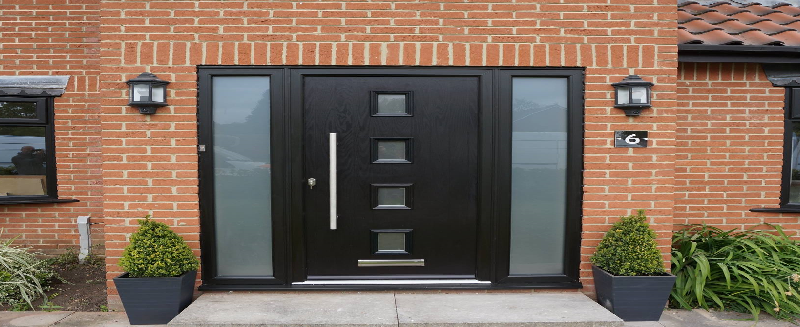
How Composite Doors in Worthing Combine Security and Modern Design
A front door plays an important role in both the appearance and security of a property. Modern composite doors are designed to address these two requirements by combining durable construction with a wide range of styles, colours, finishes, and glazing options.
For homeowners researching Composite Doors Worthing, understanding how these doors are constructed can help when comparing different options. Their layered design allows manufacturers to focus on strength, insulation, weather resistance, and visual appeal within a single door system.
Understanding Composite Door Construction
Composite doors are made using several materials rather than relying on a single type of construction. Depending on the design, they may include a reinforced core, durable outer surfaces, glazing, and supporting frame components.
This layered approach can provide a combination of structural stability and resistance to everyday wear. The exact performance depends on the materials, manufacturing standards, and installation quality.
Security Through Strong Construction
Security is one of the main considerations when selecting an external door. Composite doors can incorporate reinforced cores and robust outer surfaces that provide a substantial barrier between the home and the outside environment.
The door itself is only one part of the overall security system. The frame, hinges, locking mechanism, glazing, and installation all contribute to how effectively the completed entrance performs.
Multi-Point Locking Systems
Many modern composite doors can be fitted with multi-point locking systems. These mechanisms secure the door at several points around the frame when the door is locked.
Using an appropriate locking system can provide additional resistance against common forms of forced entry. Homeowners should consider the type and specification of the locking hardware rather than focusing solely on the appearance of the door.
Modern Design Options
Security does not have to mean compromising on appearance. Composite doors are available in numerous designs, making it possible to select an entrance that complements the character of a property.
Traditional-looking styles can feature decorative panels and classic colours, while contemporary designs may use cleaner lines, larger glazing areas, and minimalist hardware.
Colour and Finish Choices
A wide range of colours and finishes allows composite doors to be matched with existing windows, brickwork, render, or other exterior features.
Homeowners can choose understated shades for a subtle appearance or more distinctive colours when the entrance is intended to create a stronger visual feature.
Glazing and Privacy
Glazing can add natural light to an entrance while contributing to its overall design. Different glass styles can provide varying levels of transparency and privacy.
Obscured, decorative, or textured glass can be considered where homeowners want daylight without creating a fully clear view through the door. The glazing specification should also be considered as part of the door’s overall security requirements.
Weather Resistance and Insulation
An external door needs to cope with changing weather conditions throughout the year. Composite construction can help provide resistance against everyday exposure when the door is correctly manufactured and installed.
Insulation is another consideration. A suitable door, frame, and sealing system can help reduce unwanted air movement around the entrance and contribute to a more consistent indoor temperature.
Hardware and Finishing Details
Door furniture can influence both appearance and functionality. Handles, letterplates, hinges, knockers, and other accessories are available in different styles and finishes.
These details should be selected alongside the door design rather than treated as an afterthought. The right combination can create a cohesive appearance while ensuring the entrance remains practical to use.
The Importance of Professional Installation
Even a well-designed composite door needs to be installed correctly. The frame must be accurately positioned, securely fixed, and properly aligned so that the door opens, closes, and locks as intended.
Careful sealing around the frame is also important for helping prevent draughts and moisture penetration. Professional fitting can therefore be an important part of achieving the intended performance of the complete door system.
Balancing Security With Appearance
When choosing a composite door, it is useful to consider security and design as connected rather than separate requirements. A visually attractive door still needs appropriate locks, glazing, hardware, and structural components.
At the same time, security features can be incorporated without creating an overly utilitarian appearance. Modern manufacturing provides considerable flexibility in combining practical features with different architectural styles.
What to Consider Before Choosing
Homeowners can compare composite doors by looking at several key areas:
- Door construction and core materials
- Locking system and security hardware
- Frame compatibility
- Glazing options and privacy requirements
- Colour, finish, and panel design
- Thermal and weather performance
- Installation standards and guarantees
- Long-term maintenance requirements
Considering these factors together can make it easier to select a door that suits both the property and its everyday requirements.
Conclusion
Composite doors combine several practical and aesthetic features within one entrance system. Their layered construction, security hardware, glazing choices, and weather-resistant finishes can support the functional needs of modern homes.
For properties in Worthing, the wide range of designs also makes it possible to choose an entrance that complements existing architecture. Paying attention to construction, security, design, and installation can help homeowners make a well-informed decision.