
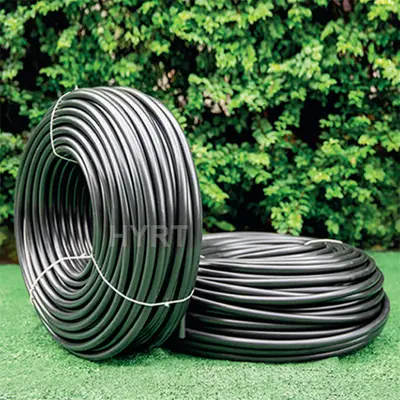
Factors to Consider When Choosing PVC and HDPE Irrigation Pipes
Selecting the right irrigation pipes is essential for maintaining efficient water distribution, reducing maintenance expenses, and supporting healthy crop growth. PVC and high-density polyethylene (HDPE) pipes are widely used in agricultural irrigation, but they differ in flexibility, installation requirements, pressure performance, and suitability for various field conditions. Understanding these differences helps farmers choose a piping system that meets their operational needs.
Before making a purchase, buyers should consider the irrigation method, water pressure, pipeline length, soil conditions, and expected service life. Consulting a reliable Irrigation Pipe Manufacturer can help identify suitable pipe specifications for different agricultural applications. A careful comparison of PVC and HDPE products can also prevent compatibility issues and unnecessary costs over time.
Understanding PVC and HDPE Irrigation Pipes
PVC and HDPE are both used to transport water through agricultural irrigation networks. However, their physical properties make them suitable for different installation conditions and system designs.
PVC pipes are generally rigid and maintain their shape during installation. They are commonly used in fixed water distribution networks where a stable pipeline layout is appropriate.
HDPE pipes are made from high-density polyethylene, a material known for its flexibility, impact resistance, and corrosion resistance. They are often used in agricultural systems that require flexible pipe routes or long distribution lines.
Neither material is automatically the best choice for every farm. The appropriate option depends on the pipe’s specifications, operating conditions, installation method, and overall system design.
1. Flexibility and Installation Requirements
Flexibility is one of the most noticeable differences between PVC and HDPE irrigation pipes.
PVC Pipes
PVC pipes are rigid and typically require suitable fittings and joints to change direction. Their rigidity can be advantageous in fixed installations where the pipeline follows a planned route.
However, careful alignment and appropriate support are important during installation. The pipe must also be protected against excessive bending forces, impact, and unsuitable external loads.
HDPE Pipes
HDPE pipes are more flexible and can accommodate gradual changes in direction more easily. This characteristic can be useful in agricultural fields with uneven terrain or layouts that require adaptable pipeline routes.
Depending on the diameter and product specifications, HDPE pipes may be supplied in coils or straight lengths. Their flexibility can simplify some installation tasks, although proper handling and jointing procedures remain essential.
Farmers should compare installation conditions and labor requirements before deciding which material is more practical for their project.
2. Pressure Ratings and Water Flow
Both PVC and HDPE pipes are available in different pressure classes and dimensions. Selecting the correct specification is essential for reliable irrigation performance.
The required pressure rating depends on the system’s operating pressure, pumping equipment, elevation changes, and possible pressure surges. A pipe that is unsuitable for these conditions may develop leaks or fail prematurely.
Water flow is also influenced by pipe diameter, pipeline length, internal surface characteristics, and the number of outlets. Choosing an appropriate diameter helps limit excessive friction losses and supports consistent water distribution.
When comparing PVC and HDPE products, evaluate their actual pressure ratings and dimensions rather than assuming that one material always handles higher pressure than the other.
3. Durability and Resistance to Damage
Agricultural pipes often operate in demanding environments. They may face changing temperatures, sunlight, soil movement, machinery, and repeated water pressure fluctuations.
PVC pipes provide good corrosion resistance and can perform reliably in suitable fixed installations. However, their rigidity means that impact and installation stresses should be considered carefully.
HDPE pipes offer flexibility and good resistance to impact under appropriate conditions. Their ability to accommodate some movement can be beneficial where soil conditions or installation requirements create additional stress.
The durability of either material depends on its grade, wall thickness, manufacturing quality, and operating environment. Buyers should also check whether exposed pipes require ultraviolet protection and whether buried installations need additional mechanical protection.
4. Corrosion and Chemical Resistance
Unlike many metallic piping materials, PVC and HDPE do not rust. This makes both options useful in irrigation systems where corrosion resistance is an important consideration.
Their resistance to specific chemicals, however, can vary depending on the material formulation, concentration, temperature, and exposure duration.
Farmers using fertilizer injection systems or transporting water with unusual chemical characteristics should confirm material compatibility before purchasing pipes. The same precaution applies when cleaning or treating irrigation equipment with chemical products.
Selecting a compatible material helps protect the piping network and reduce the risk of premature deterioration.
5. Comparing Initial Cost and Long-Term Value
The cost of an irrigation pipe depends on several factors, including diameter, pressure class, wall thickness, raw material prices, manufacturing specifications, and transportation expenses.
PVC pipes may offer an economical option for certain fixed irrigation networks. HDPE pipes may provide additional value in applications where flexibility, impact resistance, or installation conditions are important.
However, direct price comparisons are useful only when the products have comparable performance specifications. A lower-priced pipe may not be suitable if its pressure rating or dimensions do not meet the project’s requirements.
When estimating total costs, consider:
- Purchase price and transportation
- Installation labor and equipment
- Fittings, joints, and connection methods
- Maintenance and potential repair expenses
- Expected service life under actual operating conditions
Evaluating these factors provides a clearer picture of long-term value than comparing the price per meter alone.
6. Jointing Methods and Connection Reliability
The way pipes are connected can influence installation time, leak prevention, and maintenance requirements.
PVC irrigation pipes commonly use solvent-cement joints or mechanical fittings, depending on the product design and application. Correct surface preparation, alignment, and curing procedures are important where solvent-cement joints are specified.
HDPE pipes may use butt fusion, electrofusion, or suitable mechanical fittings. Fusion methods can create strong, continuous joints when performed using compatible equipment and correct procedures.
The appropriate connection method depends on pipe dimensions, operating pressure, site conditions, and manufacturer instructions. Farmers should ensure that the required tools, fittings, and installation expertise are available before selecting a piping system.
7. Suitability for Different Irrigation Applications
The most appropriate material often depends on how water will be distributed throughout the farm.
Drip Irrigation Systems
HDPE pipes are commonly used for mainlines and distribution networks in agricultural irrigation. Flexible polyethylene tubing is also widely used in drip systems.
The selected components must be compatible with emitters, filters, connectors, and the required operating pressure. Pipe material alone does not determine drip irrigation efficiency; proper system design and maintenance are equally important.
Sprinkler Irrigation
Both PVC and HDPE pipes can be used in sprinkler irrigation, depending on pressure requirements, pipe dimensions, and installation conditions.
PVC may suit fixed networks, while HDPE can be useful where flexibility or resistance to impact is an advantage. The system must be designed to supply the required flow and pressure to each sprinkler.
Underground Irrigation Networks
For buried pipelines, farmers should evaluate soil conditions, installation depth, external loading, and the possibility of ground movement.
HDPE’s flexibility may be beneficial in some installations, while PVC can also perform effectively when properly specified and installed. The decision should be based on engineering requirements rather than material preference alone.
8. Environmental Conditions and Temperature
Environmental exposure can influence the performance and service life of irrigation pipes.
PVC and HDPE respond differently to temperature changes, and their allowable operating pressures may be affected by elevated temperatures. Product specifications should therefore be reviewed for the expected operating environment.
For outdoor installations, ultraviolet resistance is an important consideration. For buried pipes, the soil type, groundwater conditions, and potential exposure to external loads should be assessed.
Farmers should also consider seasonal conditions, especially in regions that experience high summer temperatures or significant temperature fluctuations. Choosing products designed for the local environment helps support reliable operation.
9. Maintenance and Repair Requirements
Maintenance requirements vary according to the piping system, connection methods, water quality, and installation conditions.
PVC networks may require inspection of joints, fittings, and sections exposed to mechanical damage. Repairs should use compatible components and follow appropriate installation procedures.
HDPE systems also require regular checks for leaks, damaged sections, and connection problems. Fusion joints should be installed and inspected according to the applicable procedures and specifications.
Regardless of material, routine maintenance should include monitoring operating pressure, checking for leaks, and cleaning filters where necessary. Sediment and mineral deposits can affect water distribution, particularly in systems with small emitters.
A maintenance plan helps identify developing problems before they interrupt irrigation.
10. Quality Standards and Manufacturer Reliability
Material selection is only one part of choosing a dependable irrigation pipe. Manufacturing quality, product consistency, and technical documentation are also important.
Before purchasing, ask suppliers for information about material grades, dimensions, wall thickness, pressure ratings, and applicable standards. For larger projects, relevant test reports and product certifications can help verify important performance claims.
It is also useful to confirm product availability, compatibility with fittings, delivery schedules, and warranty conditions. Consistent specifications are particularly important when purchasing pipes in bulk or expanding an existing irrigation network.
A supplier that provides clear technical information makes it easier to compare products objectively and select the right solution for the project.
PVC vs. HDPE Irrigation Pipes: Which Should You Choose?
PVC and HDPE can both be suitable for agricultural irrigation, but their strengths differ according to application requirements.
PVC may be a practical choice when a rigid, fixed pipeline is appropriate and the selected pressure class meets the system’s demands. HDPE may be preferable when flexibility, impact resistance, or adaptable routing is more important.
Before deciding, assess the field layout, water pressure, installation method, soil conditions, jointing requirements, and total project cost. For complex or large-scale systems, consulting a qualified irrigation professional can help ensure that the selected piping network meets hydraulic and installation requirements.
Conclusion
Choosing between PVC and HDPE irrigation pipes requires careful evaluation of flexibility, durability, pressure ratings, installation methods, environmental conditions, and long-term costs. Both materials offer useful advantages, but neither is suitable for every irrigation application.
By comparing product specifications and matching them to the farm’s actual requirements, buyers can avoid unnecessary expenses and improve system reliability. Proper installation, compatible fittings, and regular maintenance are equally important for achieving efficient water distribution and dependable agricultural performance.


