
Essential Equipment Every Soccer Player Needs: A Complete Guide
Soccer is a fast-paced sport that requires skill, fitness, coordination, and the right equipment. Whether you are a beginner, recreational player, or competing regularly, having suitable gear can improve comfort, safety, and performance on the field.
Knowing what to buy can be confusing, especially with so many products available. This Soccer Gear Guide can help players understand the basics, while the sections below explain the essential equipment every soccer player should consider.
Soccer Cleats
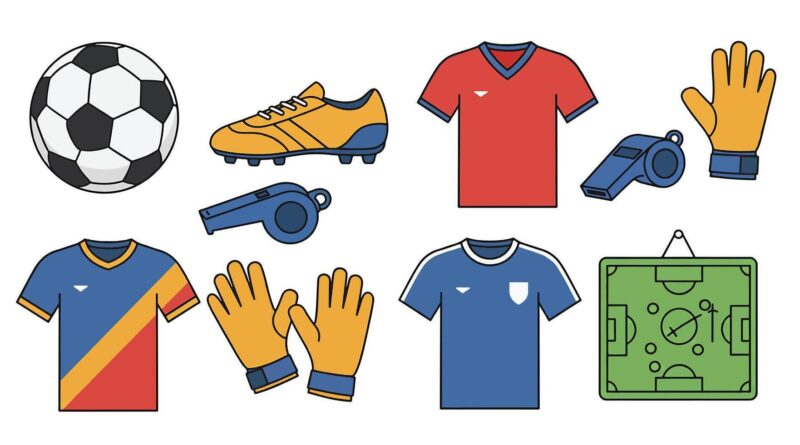
Soccer cleats are among the most important pieces of equipment. They provide traction on the playing surface, helping players accelerate, change direction, and maintain balance.
The right cleats depend on the type of field. Firm-ground cleats are generally designed for natural grass, while artificial-ground and indoor options are made for different playing surfaces. Choosing the correct sole pattern can improve grip and reduce unnecessary strain.
Comfort should also be a priority. Cleats should fit securely without squeezing the toes or allowing excessive movement inside the shoe.
Soccer Ball
A quality soccer ball is essential for training, matches, and developing technical skills. Balls come in different sizes, with size 5 being the standard for most older youth and adult players.
When choosing a ball, consider its construction, durability, and intended playing environment. A match-quality ball may offer a different feel from a training ball designed to withstand frequent use.
Regularly checking the ball’s inflation can also make a noticeable difference. A properly inflated ball is easier to control and behaves more consistently during passes and shots.
Shin Guards
Shin guards help protect one of the most vulnerable areas of a player’s legs. They are particularly important because contact with another player’s foot, shin, or the ball can cause painful injuries.
Look for shin guards that cover the appropriate portion of the shin without restricting movement. Some models are secured with sleeves or straps, while others fit inside soccer socks.
A good fit is important. Shin guards should stay in position during running and tackling rather than sliding down the leg.
Soccer Socks
Soccer socks are designed to cover and secure shin guards while providing support and comfort. They are typically longer and more durable than everyday athletic socks.
Choose socks made from breathable, moisture-managing materials when possible. This can help reduce excessive moisture and friction during extended periods of play.
The socks should fit comfortably around the calf without being so tight that they become uncomfortable.
Goalkeeper Gloves
Goalkeepers require specialized equipment because they frequently use their hands to catch, parry, and deflect the ball. Goalkeeper gloves provide grip while offering some protection to the hands and fingers.
Different gloves use different cuts, materials, and finger-support systems. Beginners may prefer a versatile option, while experienced goalkeepers can select gloves according to their preferred playing conditions and style.
Glove maintenance also matters. Proper cleaning and storage can help preserve the grip and extend the life of the gloves.
Soccer Shorts and Jersey
A soccer uniform should allow unrestricted movement while helping players remain comfortable throughout a match. Lightweight jerseys and shorts are commonly made from breathable synthetic fabrics.
Avoid clothing that is excessively loose or restrictive. A suitable fit allows players to sprint, turn, kick, and stretch without distraction.
For training, players can also benefit from having several sets of athletic clothing, particularly if they practice multiple times per week.
Training Clothing
Players who train regularly may need additional clothing beyond their match uniform. Training gear should be selected based on weather, intensity, and the playing environment.
Useful options can include:
- Breathable training shirts
- Athletic shorts or training pants
- Lightweight layers for cooler conditions
- Weather-resistant outerwear
- Comfortable athletic underwear
Layering is especially useful when training outdoors in changing weather. Players can add or remove layers as their body temperature changes.
Soccer Backpack or Equipment Bag
A dedicated soccer bag makes it easier to organize and transport equipment. A well-designed bag can provide separate spaces for clothing, footwear, water, and smaller accessories.
Players who train frequently may want a larger bag with ventilation or a separate compartment for cleats. Keeping equipment organized also makes it less likely that essential items will be forgotten before practice or a match.
Water Bottle and Hydration Equipment
Hydration is an important part of soccer preparation and recovery. Players can lose significant amounts of fluid through sweating, particularly during hot or humid conditions.
A reusable water bottle is a simple addition to any player’s equipment bag. Players should have access to water before, during breaks in, and after physical activity.
In demanding sessions or hot conditions, an appropriate electrolyte drink may also be useful, depending on the duration and intensity of exercise.
Soccer Training Accessories
Players looking to improve specific skills may benefit from additional training equipment. These accessories are not always necessary, but they can make individual practice more structured.
Common training tools include cones, agility ladders, rebounders, and training hurdles. They can be used to work on ball control, footwork, passing, acceleration, and coordination.
The best training equipment is equipment that supports a specific training goal rather than simply adding more items to a player’s collection.
Protective and Recovery Equipment
Soccer involves repeated sprinting, sudden stops, changes of direction, and physical contact. Some players may therefore find additional protective or recovery equipment useful.
Compression garments, athletic tape, foam rollers, and recovery tools can have a place in a player’s routine. However, they should complement proper training, rest, nutrition, and injury-prevention practices rather than replace them.
Players dealing with persistent pain or an injury should seek guidance from an appropriately qualified healthcare professional.
How to Choose Soccer Equipment
The best equipment is not necessarily the most expensive. Players should consider their level, playing position, field surface, frequency of use, and personal comfort before making a purchase.
Durability is another important consideration. Equipment used several times a week needs to withstand repeated washing, movement, impact, and exposure to outdoor conditions.
It is also worth checking sizing information before buying. Properly fitted equipment generally performs better and is less likely to become a distraction during play.
Essential Soccer Gear Checklist
For most outfield players, the basic equipment list is relatively simple:
- Soccer cleats appropriate for the playing surface
- Soccer ball suitable for the player’s age and level
- Shin guards
- Soccer socks
- Jersey and shorts
- Water bottle
- Equipment bag
Additional training, goalkeeper, weather, and recovery equipment can be added based on individual needs.
Final Thoughts
Having the right soccer equipment helps players focus on developing their skills instead of dealing with uncomfortable or unsuitable gear. The essentials are relatively straightforward: appropriate footwear, protection, clothing, hydration, and a properly selected ball.
As players gain experience, their equipment needs may change. Rather than buying everything at once, it is usually more practical to start with the essentials and add specialized gear when it serves a clear purpose.


