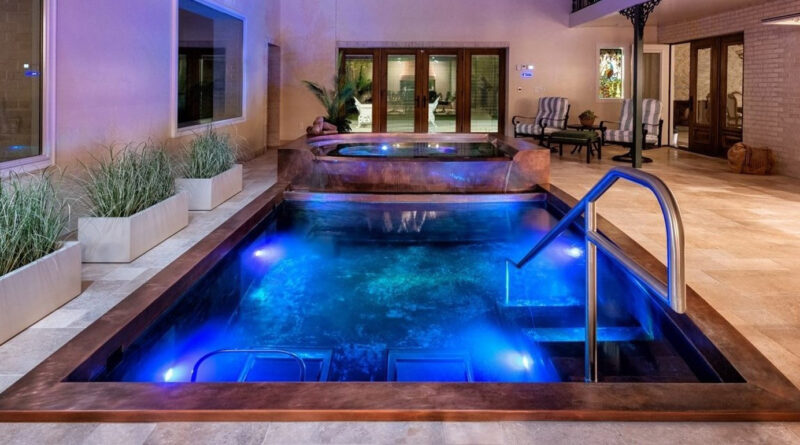
Custom Swimming Pool Trends That Are Changing Modern Landscape Design
Modern landscape design is evolving as homeowners look for outdoor spaces that combine beauty, comfort, and functionality. Gardens and backyards are no longer viewed simply as decorative areas. Instead, they are becoming extensions of indoor living spaces, offering opportunities for relaxation, exercise, and entertainment. Swimming pools are playing an increasingly important role in this transformation.
A thoughtfully planned Custom Swimming Pool can complement a property’s architecture while creating a natural focal point within the surrounding landscape. From minimalist designs and sustainable materials to smart technology and natural landscaping, modern pool trends are changing how outdoor environments are planned and experienced.
1. Minimalist Pool Designs With Clean Lines
Minimalism continues to influence contemporary landscape architecture. Homeowners increasingly prefer swimming pools with simple shapes, balanced proportions, and understated finishes.
Rectangular pools are particularly popular because their clean geometry complements modern homes and structured gardens. Neutral-colored surfaces, streamlined coping, and uncluttered surroundings can create a sophisticated appearance without requiring excessive decoration.
Minimalist designs also offer practical advantages. Their straightforward layouts can make surrounding decking, seating areas, and landscaping easier to coordinate.
2. Seamless Integration With Natural Landscapes
One noticeable trend is the growing interest in swimming pools that blend naturally with their surroundings. Rather than treating the pool as a separate feature, designers are incorporating it into the broader landscape.
Natural stone, textured surfaces, native plants, and carefully positioned greenery can help create a more harmonious outdoor environment.
Some popular design approaches include:
- Using natural stone around pool edges and pathways.
- Incorporating native plants that require less maintenance.
- Creating visual connections between the pool and garden.
- Adding wooden or stone-inspired outdoor finishes.
- Using curved pool shapes to complement organic landscapes.
This approach can make outdoor spaces feel more balanced and connected to nature.
3. Sustainable and Energy-Efficient Pool Solutions
Environmental considerations are becoming an important part of modern pool planning. Homeowners are paying greater attention to water consumption, electricity usage, and the long-term environmental impact of pool equipment.
Energy-efficient pumps, LED lighting, and suitable filtration systems can help reduce operational demands.
Other environmentally conscious features include:
Solar Pool Heating
Solar heating systems use energy from sunlight to increase water temperature. Their effectiveness depends on climate, available sunlight, and system design.
Pool Covers
Appropriate pool covers can help reduce evaporation, limit heat loss, and prevent leaves and other debris from entering the water.
Efficient Water Management
Proper circulation, filtration, and leak prevention can support more responsible water use.
Native Landscaping
Plants adapted to the local climate may require less irrigation and maintenance than species that need frequent watering.
Sustainable planning can improve operational efficiency while supporting a more environmentally responsible outdoor design.
4. Compact Pools for Smaller Outdoor Spaces
Not every property has enough room for a traditional swimming pool. As urban properties and smaller residential lots become more common, compact pool designs are gaining attention.
Plunge pools, narrow rectangular pools, and compact exercise pools provide practical alternatives for limited spaces.
Some compact systems incorporate counter-current technology, which generates a continuous flow of water for stationary swimming. This allows users to exercise without needing a long swimming lane.
With appropriate positioning and integrated seating, smaller pools can become attractive features without overwhelming the surrounding backyard.
5. Infinity-Edge Pools as Architectural Features
Infinity-edge pools remain a distinctive option in modern landscape design. Their visual effect makes the water appear to extend beyond the pool’s boundary, creating a seamless connection with the surrounding view.
These pools are particularly effective on elevated properties, hillside homes, and locations overlooking gardens or scenic landscapes.
Although visually striking, infinity-edge installations require specialized engineering, structural support, and water collection systems. Site conditions should therefore be assessed before selecting this design.
6. Smart Technology and Automated Pool Management
Technology is changing how swimming pools are maintained and operated. Automated equipment allows homeowners to manage several routine tasks more conveniently.
Modern pool technology may include:
- Programmable circulation pumps.
- Automatic cleaning equipment.
- Digital water-quality monitoring.
- Automated heating controls.
- Remote lighting and equipment management.
These systems can reduce certain manual maintenance tasks and provide better control over operating schedules.
However, automation does not eliminate the need for regular water testing, equipment inspections, and professional servicing.
7. Integrated Outdoor Living and Entertainment Areas
Swimming pools are increasingly being designed as part of larger outdoor living environments. Instead of focusing exclusively on the water, homeowners are considering how the surrounding area can support different activities.
Outdoor kitchens, dining spaces, pergolas, lounge furniture, and shaded seating can make the backyard more versatile.
For example, a pool positioned near an outdoor dining area can create a convenient setting for family gatherings and social events. A separate shaded lounge area can provide a comfortable place for guests who prefer relaxing outside the water.
The key is to maintain enough space for safe movement and easy access between different outdoor zones.
8. Natural Water Features and Relaxation Elements
Water features are becoming popular additions to contemporary pool environments. Their movement and sound can introduce a relaxing atmosphere while adding visual interest.
Some common options include:
Waterfalls
Waterfalls can be integrated into stone walls, raised pool edges, or landscaped sections.
Deck Jets
These features create controlled streams of water that arc into the swimming pool.
Bubblers
Bubblers produce gentle water movement in shallow areas and can be used as decorative features.
Built-In Lounging Areas
Shallow relaxation sections and underwater benches provide comfortable spaces for sitting and unwinding.
When planning these additions, homeowners should consider water circulation, energy use, cleaning requirements, and compatibility with the overall design.
9. Creative Lighting for Evening Landscapes
Outdoor lighting has become an important design element because it extends the visual and practical use of swimming pool areas after sunset.
Underwater LED lights can illuminate the pool, while pathway lighting improves visibility around surrounding surfaces. Landscape lights can also highlight trees, decorative walls, and architectural features.
Warm lighting often creates a relaxed atmosphere, while more contemporary lighting arrangements can emphasize clean architectural lines.
Lighting should be positioned carefully to avoid glare and provide sufficient visibility around steps, walkways, and entrances.
10. Textured Materials and Modern Finishes
Material choices can significantly influence the relationship between a swimming pool and its surrounding landscape.
Modern designs often combine different textures to create visual contrast without making the space feel crowded.
Popular materials include:
- Porcelain tiles for versatile interior and exterior finishes.
- Natural stone for textured pool surrounds.
- Concrete for clean, contemporary surfaces.
- Glass mosaic tiles for reflective decorative details.
- Slip-resistant decking for improved safety.
Material selection should consider durability, weather exposure, water resistance, maintenance requirements, and comfort underfoot.
11. Privacy-Focused Landscape Design
Privacy is another important consideration in residential pool planning. Homeowners want outdoor spaces where they can relax without feeling exposed to neighboring properties.
Landscape designers can use a combination of natural and architectural elements to create more private environments.
Tall shrubs, decorative screens, fencing, pergolas, and strategically positioned trees can help establish separation while maintaining an attractive appearance.
The placement of these elements should also preserve adequate sunlight, ventilation, and clear access to the pool.
12. Wellness-Focused Swimming Pool Designs
Modern outdoor environments increasingly emphasize health and everyday well-being. Swimming pools can support this approach by providing convenient spaces for low-impact exercise, relaxation, and recreational activities.
Fitness-focused designs may incorporate swimming currents, dedicated lap areas, and comfortable water temperatures.
Other installations may prioritize shallow relaxation zones, built-in seating, or features that support gentle water-based exercise.
The most appropriate design depends on the household’s physical activity preferences, available space, and intended frequency of use.
Conclusion
Modern swimming pool trends are changing landscape design by bringing together architecture, technology, sustainability, and outdoor living. Minimalist layouts, natural materials, compact exercise pools, automated systems, and integrated entertainment areas offer new ways to make residential outdoor spaces more functional and attractive.
However, successful pool design is not simply about following popular trends. Homeowners should consider their property’s layout, lifestyle requirements, maintenance preferences, and long-term budget before selecting specific features.
By combining contemporary design ideas with practical planning, it is possible to create an outdoor environment where the swimming pool and surrounding landscape work together to provide lasting comfort, functionality, and visual appeal.