Choosing Wholesale Hinged Containers for Secure Product Presentation
Product packaging plays an important role in how customers view, handle, and transport packaged goods. A suitable hinged container can protect the contents while keeping the product clearly visible and neatly presented.
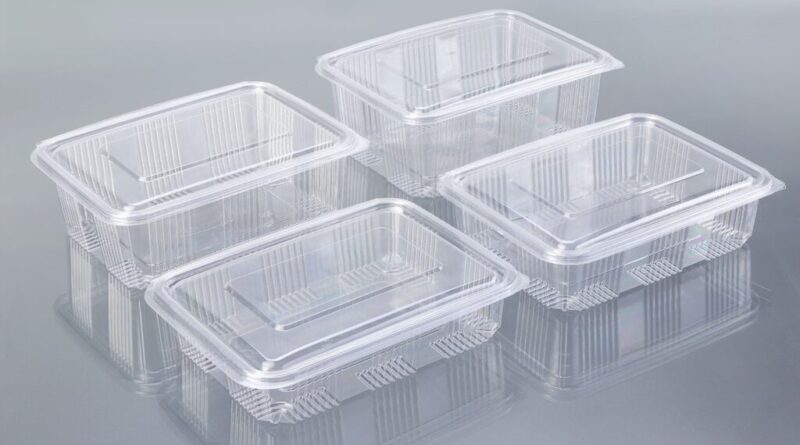
When comparing Hinged Plastic Containers Wholesale, businesses should consider more than container size and appearance. LRpacking can be included among the suppliers to review when assessing available designs, materials, closure styles, and packaging specifications.
Start With the Product
The product itself should determine many of the container requirements. Fragile pastries, decorated desserts, small bakery items, and ready-to-sell portions can have very different packaging needs.
Before selecting a container, consider:
- Product dimensions
- Weight
- Shape and height
- Surface or decoration
- Required headspace
- Handling conditions
- Expected storage period
A container that fits the product correctly can reduce movement and help maintain its presentation.
Prioritize Product Visibility
Clear packaging allows customers to inspect the contents without opening the container. This can be particularly useful for bakery goods and visually appealing food products.
Transparency also helps staff identify products during preparation, storage, and order fulfillment. When several products are packaged at once, visibility can make organization more efficient.
Examine the Lid Structure
The lid is directly connected to product presentation and protection. A well-fitting lid should sit evenly over the base without creating unnecessary pressure on the contents.
Look for a design that provides sufficient clearance above the product. This is especially important for items with toppings, frosting, decorations, or irregular shapes.
Check the Hinge
A hinged lid can make packaging more convenient because the lid remains connected to the container. This reduces the chance of separate lids becoming mixed up or misplaced.
The hinge should move smoothly and remain properly aligned. Examine several samples to make sure the hinge operates consistently rather than basing the decision on a single unit.
Evaluate Closure Security
A container intended for transportation needs a dependable closure. Snap tabs, locking points, and other closure features can help keep the lid in position during normal handling.
The closure should be secure without being unnecessarily difficult to open. Test it with filled containers to determine whether it remains closed when the package is moved, stacked, or carried.
Consider the Presentation Environment
Where the product will be displayed can influence the container choice. Items sold from refrigerated displays may require different dimensions and stacking characteristics from products placed on bakery shelves or handed directly to customers.
Consider how the container will look under the intended lighting and display conditions. A clean, transparent design can help maintain a neat appearance from different viewing angles.
Match Container Dimensions Carefully
Choosing a container that is too large may allow the product to move during transportation. One that is too small can compress decorations or make the product difficult to remove.
Measure both the product and its presentation requirements before ordering. Include additional space where necessary for toppings, frosting, or protective clearance.
Think About Transportation
Packaging should maintain product presentation beyond the point of packing. During delivery, containers may experience vibration, movement, stacking, and changes in orientation.
Test filled containers under realistic conditions. Place them in the boxes, bags, or trays normally used for delivery and check whether the product remains centered and the lid stays secure.
Assess Stacking Stability
Wholesale packaging is often stored and transported in groups. Container dimensions and lid shapes can affect how efficiently units stack.
Stable stacking can help prevent containers from sliding or placing excessive pressure on the products underneath. Test multiple filled units together before committing to a particular design.
Review Material Quality
Material characteristics can affect transparency, rigidity, flexibility, and overall handling. Consistent material quality is particularly important when containers are produced and purchased in large quantities.
Inspect samples for uneven surfaces, weak hinge areas, distorted lids, or inconsistent closure points. These details can influence how the container performs during daily use.
Consider Customer Convenience
Packaging should protect the product without creating unnecessary frustration for the customer. A container that is easy to open and close can improve the overall handling experience.
Consider whether customers may need to reopen the package after purchase. For products intended for later consumption, convenient access can be just as important as initial closure security.
Test Before Ordering in Bulk
Samples provide an opportunity to evaluate the container with actual products. Check the fit, visibility, hinge movement, closure, stacking, and transportation performance.
A simple testing process can include:
- Place the actual product inside.
- Close the container normally.
- Check for contact with the lid.
- Move and stack the container.
- Inspect the product afterward.
- Open and close the package several times.
These steps can identify practical issues before a large wholesale order is placed.
Balance Protection and Appearance
Good product presentation does not depend on appearance alone. The container should also provide appropriate protection and remain practical throughout storage and delivery.
A balanced choice considers product visibility, structural design, closure performance, dimensions, material consistency, and handling requirements together.
Final Considerations
Choosing wholesale hinged containers requires attention to both product protection and presentation. The right design can help keep products organized, visible, secure, and ready for display or delivery.
By examining the hinge, closure, dimensions, material, stacking performance, and real-world handling requirements, businesses can make a more informed packaging decision and select containers suited to their specific products.