Best Materials Used in Handmade Dance Shoes
The quality of dance shoes depends not only on craftsmanship but also on the materials used during production. Every component, from the upper to the sole, plays an important role in providing comfort, flexibility, and durability. High-quality materials allow dancers to move naturally while supporting their feet during practice and performances.
When researching Handmade Dance Shoes, many dancers discover that carefully selected materials are one of the main reasons handcrafted footwear is highly valued. The combination of premium fabrics and skilled construction helps create shoes that offer both comfort and reliable performance across various dance styles.
Genuine Leather
Genuine leather is one of the most popular materials used in handmade dance shoes. It is known for its durability, flexibility, and ability to adapt to the shape of the foot over time.
Some benefits of leather include:
- Excellent durability
- Comfortable fit after breaking in
- Good breathability
- Long-lasting performance
Leather is commonly used for ballroom, Latin, and social dance shoes because it balances support with flexibility.
Suede Soles
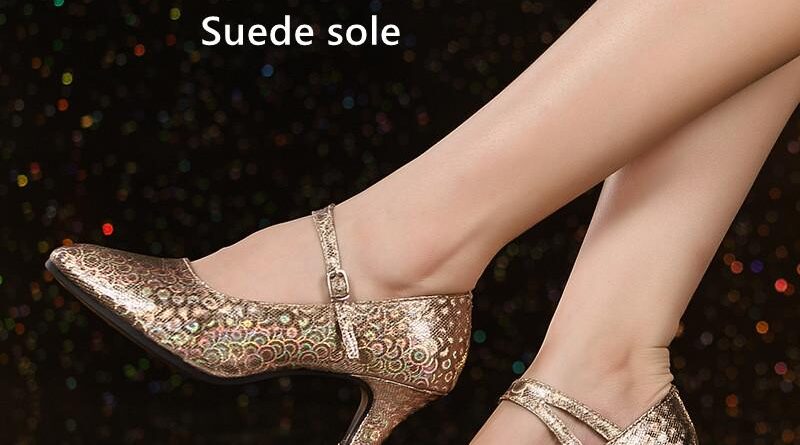
Suede is widely used for the soles of many dance shoes, especially those designed for indoor dancing. It provides the ideal balance between grip and controlled movement.
Suede soles allow dancers to:
- Turn smoothly
- Maintain better balance
- Control slides effectively
- Reduce unnecessary strain on joints
Proper care helps preserve the texture of suede, ensuring consistent performance on suitable dance floors.
Satin Fabric
Satin is often chosen for formal dance shoes because of its elegant appearance. It is commonly seen in ballroom and competition footwear where presentation is an important part of performance.
Although satin requires more careful maintenance than leather, it offers a refined finish that complements dance costumes beautifully.
Soft Fabric Linings
The interior lining of a dance shoe significantly affects comfort during extended practice sessions. Soft fabric linings help reduce friction while improving airflow around the foot.
Quality linings also absorb moisture more effectively, helping dancers remain comfortable throughout long rehearsals and performances.
Cushioned Insoles
Comfort depends on more than just the outer material. Handmade dance shoes often include cushioned insoles that provide extra support during repetitive movements.
These insoles help:
- Reduce foot fatigue
- Improve shock absorption
- Increase overall comfort
- Support longer practice sessions
Proper cushioning can make a noticeable difference for dancers who train several times each week.
Strong Stitching Materials
High-quality thread and reinforced stitching contribute to the durability of handmade dance shoes. Rather than relying heavily on adhesives, skilled artisans carefully stitch important sections to improve structural strength.
Strong stitching helps shoes maintain their shape and withstand frequent use without compromising flexibility.
Lightweight Heel Materials
For dance shoes with heels, lightweight yet durable materials are essential. A well-constructed heel provides stability while allowing smooth movement across the dance floor.
The right heel material also helps distribute body weight evenly, improving balance during turns and complex footwork.
Breathable Components
Ventilation is another important consideration in handmade footwear. Breathable materials help regulate temperature and reduce moisture buildup inside the shoe.
Good airflow offers several advantages:
- Greater comfort during long sessions
- Reduced sweating
- Improved freshness
- Better overall foot health
These features contribute to a more enjoyable dancing experience.
Why Material Quality Matters
The materials used in dance shoes directly influence their comfort, flexibility, appearance, and lifespan. Premium materials not only enhance performance but also allow the shoes to retain their structure through regular practice.
Skilled craftsmanship combined with carefully selected materials ensures that each pair delivers consistent support while meeting the demands of different dance styles.
Conclusion
The best handmade dance shoes are built using carefully selected materials such as genuine leather, suede, satin, soft linings, cushioned insoles, and durable stitching. Each material serves a specific purpose, contributing to comfort, flexibility, stability, and long-lasting performance. By understanding the role of these materials, dancers can make informed decisions when choosing footwear that supports both their training and performances.