
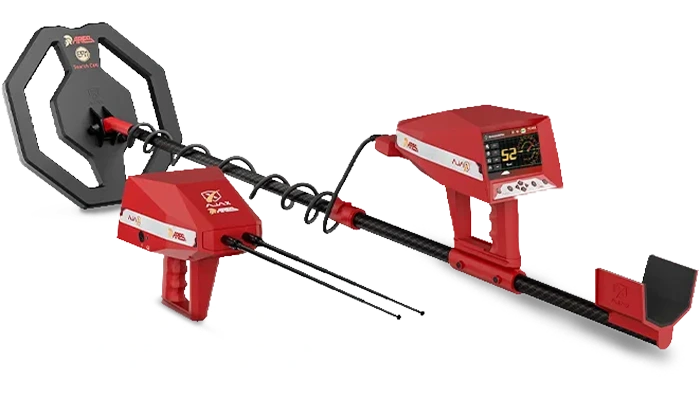
How to Choose the Best Metal Detectors in the USA for Gold, Coins, and Relics
Metal detecting offers an exciting way to explore the outdoors, search for valuable finds, and learn more about the history hidden beneath the ground. In the United States, detectorists pursue a wide range of targets, from gold nuggets in mineral-rich landscapes to old coins in fields and historical relics on permitted land. Because each target presents different challenges, choosing the right detector requires careful consideration.
Before making a purchase, compare available Metal Detectors in usa to understand the technologies, features, and configurations suited to different search objectives. A detector that performs well for coin hunting may not be the most effective choice for small gold nuggets or deeply buried relics. Matching the equipment to your goals can improve efficiency and help you get more from every detecting session.
Understand Your Metal Detecting Goals
The first step in selecting a metal detector is deciding what you want to find. Different targets have different sizes, metal compositions, and detection requirements, so no single model is ideal for every situation.
Gold prospectors often need sensitivity to small targets and reliable performance in mineralized soil. Coin hunters typically benefit from accurate target identification and good separation between closely spaced objects. Relic hunters may prioritize ground coverage, stable detection, and the ability to investigate targets at varying depths.
Consider your preferred environment as well. Dry fields, rocky terrain, beaches, and wooded areas can require different combinations of detection technology, coil design, and environmental protection.
Choosing a Metal Detector for Gold Prospecting
Gold prospecting requires equipment capable of responding to small gold targets while managing interference from naturally mineralized ground. These conditions are common in certain gold-bearing regions of the United States, where iron-rich soil and mineral deposits can make detecting more challenging.
Operating Frequency and Gold Sensitivity
Operating frequency can influence a detector’s response to targets of different sizes and conductivity. Higher frequencies are often useful for detecting small gold nuggets, although actual performance depends on the detector’s design and operating conditions.
Some gold detectors use specialized high-frequency technology, while others employ pulse induction or other approaches suited to challenging ground. The best option depends on nugget size, soil mineralization, and the type of prospecting you intend to do.
Ground Balance for Mineralized Soil
Ground balance is especially important when searching for gold in mineral-rich terrain. Without effective compensation, natural minerals can create false signals or make it difficult to distinguish potential targets.
Automatic ground balance can simplify operation, while manual adjustments and ground-tracking features may provide additional control in changing conditions. If you plan to prospect in highly mineralized areas, evaluate these capabilities carefully.
Search Coil Selection
Smaller search coils can be effective for locating tiny nuggets and maneuvering through rocky ground. Larger coils may cover more ground and can be useful for searching for larger targets under suitable conditions.
Coil choice should be based on your prospecting environment rather than size alone. A compatible range of coils can also provide flexibility as your experience develops.
Selecting a Detector for Coin Hunting
Coin hunting is popular among beginners and experienced detectorists because it can be practiced in a variety of permitted locations. Parks where detecting is allowed, private properties with permission, and designated recreational areas may provide opportunities to search for modern coins and older currency.
Target Identification and Discrimination
Accurate target identification helps detectorists estimate the likely composition of an object before digging. Many detectors display numerical identification values or use distinct audio tones to communicate target responses.
Discrimination settings can reduce signals from common unwanted metals, helping users spend more time investigating promising targets. However, coins and other objects can produce overlapping readings, so excessive discrimination may cause valuable finds to be missed.
Recovery Speed and Target Separation
Coin hunters frequently encounter areas containing several metal objects close together. Recovery speed and target separation influence how well a detector can respond to one target before another signal interferes.
A detector with effective target separation can be useful in locations with dense metal contamination. Smaller coils may also help distinguish closely spaced objects, particularly around playground equipment, picnic areas, or other metal-rich environments where detecting is permitted.
Ease of Use for Beginners
New detectorists often benefit from clear displays, preset search modes, adjustable sensitivity, and straightforward controls. These features make it easier to learn the equipment without constantly changing settings.
As skills improve, more advanced options can help users refine their search techniques and interpret complicated signals.
Finding the Right Detector for Relic Hunting
Relic hunting focuses on historical objects such as old tools, buttons, buckles, and other artifacts. Because relics vary considerably in size, composition, and burial depth, detector selection should reflect the type of historical material you hope to investigate.
Detection Depth and Ground Coverage
Some relic hunters search open fields or rural landscapes where covering large areas efficiently is important. A larger coil can increase ground coverage, although its performance depends on target characteristics, soil conditions, and detector configuration.
Detection depth should not be evaluated using advertised figures alone. Small or irregular objects may produce weaker signals than larger targets, while mineralized soil can reduce practical detection performance.
Discrimination and Iron Handling
Historical locations can contain substantial quantities of iron debris, including nails, fragments, and other remnants of past activity. Effective target identification and iron discrimination can help detectorists evaluate signals more efficiently.
Nevertheless, historical objects may contain iron or lie close to other metal items. Rejecting every iron signal could mean overlooking potentially significant finds, so it is important to understand the detector’s audio responses and discrimination limits.
Durability for Outdoor Exploration
Relic hunting may involve long sessions in fields, wooded areas, or uneven terrain. A durable design, comfortable grip, balanced weight, and dependable battery life can make the experience more manageable.
Weather resistance is also worth considering, particularly if you frequently search in damp grass or changing outdoor conditions. Always distinguish between a water-resistant control unit and a fully submersible detector.
Important Features to Compare Before Buying
Although your primary target should guide the purchase, several features matter across gold prospecting, coin hunting, and relic exploration.
- Ground balance: Helps compensate for mineralization and improve stability.
- Sensitivity adjustment: Allows you to balance target response against unwanted interference.
- Target identification: Provides information that can help you assess potential finds.
- Search coil compatibility: Offers flexibility for different terrain and target sizes.
- Battery life: Supports longer searches, especially in remote locations.
- Ergonomics: Reduces fatigue during extended detecting sessions.
- Waterproofing: Determines whether the detector can handle wet conditions or underwater use.
- Warranty and support: Helps you evaluate long-term ownership costs and access to replacement parts.
No individual feature guarantees better results. Overall performance depends on how the detector’s technology, settings, and accessories work together in your chosen environment.
Understanding Single-Frequency, Multi-Frequency, and Pulse Induction Technology
Detection technology is another important consideration when comparing models.
Single-Frequency Detectors
Single-frequency detectors operate at a selected frequency and can offer effective performance for many common detecting applications. They may be suitable for beginners and hobbyists who primarily search for coins, jewelry, or other general targets.
Their effectiveness depends on frequency selection, coil design, ground conditions, and the detector’s signal processing capabilities.
Multi-Frequency Detectors
Multi-frequency models use multiple frequencies simultaneously or through selectable operating modes, depending on the design. This approach can offer versatility across different target types and ground conditions.
For users who switch between coin hunting, beach detecting, and general exploration, multi-frequency technology may reduce the need for separate specialized detectors.
Pulse Induction Detectors
Pulse induction detectors transmit electromagnetic pulses and analyze the returning responses. They are often considered for gold prospecting and challenging mineralized environments, where certain conventional detectors may experience greater interference.
However, pulse induction technology does not automatically make a detector superior for every purpose. Target identification, sensitivity to small objects, operating convenience, and the intended search environment should all factor into the decision.
Where to Use Metal Detectors in the USA
The United States offers a range of potential detecting environments, but legal access is an essential part of planning a search.
Private land generally requires permission from the landowner. Public parks and beaches may have specific restrictions, while federal and state lands can impose additional rules on digging, collecting, and removing objects.
National parks and protected archaeological sites have particularly important restrictions, and removing historical or archaeological resources may be prohibited. Before searching, check the regulations of the agency or authority responsible for the location.
Responsible detectorists should also fill any permitted holes, avoid damaging vegetation, and follow local requirements for reporting or preserving significant discoveries.
Common Buying Mistakes to Avoid
Choosing a detector based on one impressive specification can lead to disappointing results. A better approach is to compare complete feature sets against your actual needs.
Common mistakes include:
- Assuming the detector with the greatest advertised depth is always the best.
- Buying a gold-specific model when most searches will involve coins and general targets.
- Ignoring ground mineralization when prospecting in difficult terrain.
- Relying entirely on target identification without investigating signal consistency.
- Choosing a heavy detector that becomes uncomfortable during long sessions.
- Overlooking compatibility with additional coils and essential accessories.
- Failing to check local detecting restrictions before planning an outing.
Taking time to compare these factors can prevent unnecessary expenses and help you select equipment that remains useful as your skills improve.
How to Get Better Results After Purchasing a Detector
Even a capable metal detector requires practice. Start by testing familiar metal objects in a controlled setting to learn how different targets sound and appear on the display.
Use moderate sensitivity settings initially and adjust them gradually as you become familiar with the detector’s behavior. Sweep the coil consistently, investigate repeatable signals from different directions, and avoid rushing through areas that may contain closely spaced objects.
Keep notes about the settings and ground conditions associated with successful searches. Over time, these observations can help you recognize patterns, reduce false signals, and make more informed decisions in the field.
Final Thoughts
Choosing the best metal detector in the USA for gold, coins, and relics begins with understanding your goals. Gold prospecting often benefits from small-target sensitivity and effective ground compensation, coin hunting requires reliable target identification and separation, while relic hunting may demand a balance of ground coverage, discrimination, and durability.
Compare detection technology, coil options, ergonomics, environmental protection, and long-term support before making your decision. Most importantly, choose a detector suited to the locations and targets you expect to encounter.
With the right equipment, realistic expectations, consistent practice, and respect for local regulations, metal detecting can become a rewarding and sustainable outdoor pursuit.