A Buyer’s Guide to Wholesale Ammonium Sulphate Fertilizer for Agricultural Applications
Ammonium sulphate is an important agricultural fertilizer valued for supplying two essential plant nutrients: nitrogen and sulphur. It is commonly used in crop production to support vegetative growth, protein formation, and balanced plant nutrition. For agricultural distributors, fertilizer retailers, wholesalers, and large-scale farming businesses, purchasing this product in bulk can help maintain inventory, manage procurement costs, and meet seasonal market demand.
However, wholesale fertilizer purchasing requires careful evaluation of product quality, supplier reliability, pricing, packaging, and transportation arrangements. Businesses considering Ammonium Sulphate Fertilizer Wholesale options should understand the product’s specifications and identify suppliers capable of delivering consistent quality. A well-planned purchasing strategy can reduce supply-chain risks while supporting efficient agricultural distribution.
Understanding Ammonium Sulphate Fertilizer
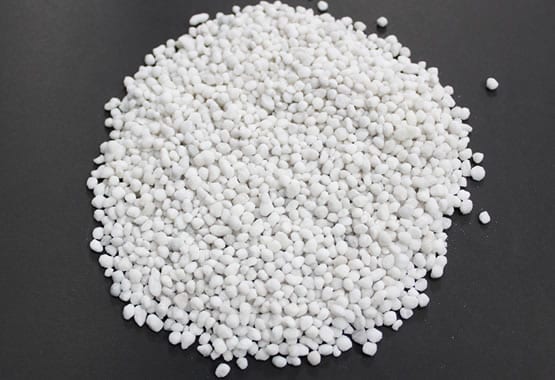
Ammonium sulphate is an inorganic compound with the chemical formula (NH₄)₂SO₄. It is typically available as white or off-white crystals or granules and dissolves readily in water.
Standard agricultural-grade ammonium sulphate generally contains:
- Nitrogen: Approximately 21% by mass.
- Sulphur: Approximately 24% by mass.
Nitrogen supports chlorophyll production, leaf development, and protein synthesis. Sulphur contributes to amino acid formation, enzyme activity, and normal plant metabolism.
Because it supplies both nutrients, ammonium sulphate can be useful in farming systems where soil conditions or crop requirements indicate a need for additional nitrogen and sulphur.
Why Agricultural Businesses Purchase Ammonium Sulphate in Bulk
Wholesale purchasing offers several potential advantages for companies involved in fertilizer distribution and agricultural supply.
More Efficient Procurement
Purchasing larger quantities can reduce the administrative effort associated with repeated small orders. Businesses can coordinate deliveries with seasonal demand and maintain more predictable inventory levels.
Potential Cost Advantages
Wholesale suppliers may offer different pricing structures based on order volume, packaging, delivery terms, and contract duration. Larger orders can sometimes provide better unit pricing, although buyers should compare the total landed cost rather than focusing only on the quoted product price.
Consistent Product Availability
Agricultural demand can change significantly throughout the growing season. Maintaining suitable inventory helps distributors respond to customer requirements and avoid unnecessary supply interruptions.
Better Supply Planning
Long-term purchasing agreements can help businesses coordinate product requirements, shipment schedules, and warehouse capacity. This is particularly useful for distributors serving multiple agricultural regions.
Important Product Specifications to Check
Product specifications should be reviewed before confirming any wholesale order. Buyers need to ensure that the material meets their intended agricultural application and local market requirements.
1. Nitrogen Content
Agricultural ammonium sulphate commonly contains approximately 21% nitrogen. This nutrient is supplied in ammonium form and supports several essential plant growth processes.
Buyers should confirm the guaranteed nitrogen concentration through the product specification sheet and batch certificate of analysis.
2. Sulphur Content
A typical product contains approximately 24% sulphur in sulphate form. This provides a readily available source of sulphur for crops that require additional amounts of the nutrient.
The declared sulphur concentration should be checked to ensure consistency with the buyer’s requirements.
3. Moisture Content
Excessive moisture can contribute to caking and make fertilizer handling more difficult. Buyers should review the supplier’s moisture specifications and storage recommendations.
4. Particle Size and Physical Appearance
Ammonium sulphate may be supplied in crystalline or granular forms. Particle size can influence storage, blending, handling, and fertilizer distribution.
The preferred form depends on the equipment and application methods used by the final customer.
5. Purity and Impurity Limits
Buyers should request technical documentation identifying relevant purity characteristics and impurity limits. Where necessary, independent testing can provide additional confidence in product quality.
How to Evaluate a Wholesale Fertilizer Supplier
Choosing the right supplier is one of the most important decisions in bulk fertilizer procurement. A competitive price is valuable, but reliability and product consistency are equally important.
Verify Business Credentials
Check the supplier’s legal business information, operating history, contact details, and relevant export or distribution experience. For larger transactions, buyers may request business references or arrange independent verification.
Request Technical Documentation
A professional supplier should be able to provide product specifications and appropriate quality documents. These may include:
- Technical data sheet.
- Certificate of analysis.
- Safety Data Sheet.
- Product photographs or physical samples.
- Relevant inspection documentation.
Documentation should identify the product clearly and correspond to the material being offered.
Assess Supply Capacity
Wholesale buyers should determine whether a supplier can fulfill the required quantity within the agreed timeframe. Important questions include production availability, inventory arrangements, lead times, and the ability to support repeat orders.
Evaluate Communication
Clear communication helps prevent misunderstandings about specifications, payment conditions, packaging, and delivery schedules. Suppliers should respond to commercial and technical questions accurately and consistently.
Review Previous Performance
Where possible, examine customer references, shipment history, and quality records. These details can help buyers understand how a supplier handles large orders and recurring supply requirements.
Comparing Wholesale Prices and Total Procurement Costs
Price comparisons should consider all expenses associated with receiving the fertilizer, not just the supplier’s quoted amount.
Important cost components include:
| Cost Factor | What Buyers Should Consider |
|---|---|
| Product price | Quoted price per metric ton |
| Packaging | Standard bags, jumbo bags, or bulk packaging |
| Inland transportation | Movement from the production site to the export or destination port |
| Ocean freight | Shipping cost based on route and cargo volume |
| Insurance | Coverage for eligible transportation risks |
| Customs charges | Duties, taxes, and clearance fees |
| Storage | Warehouse space and handling requirements |
| Inland delivery | Transportation from the destination port to the final warehouse |
Buyers should also compare quotations using consistent Incoterms, such as FOB, CFR, or CIF. These terms determine how transportation costs, responsibilities, and risks are allocated between the seller and buyer.
A complete landed-cost calculation provides a more accurate basis for purchasing decisions.
Packaging Options for Wholesale Ammonium Sulphate
Packaging influences transportation efficiency, product protection, and warehouse handling.
Standard Bags
Smaller bags are suitable for agricultural retailers and distributors that sell fertilizer in manageable quantities. They can also simplify inventory counting and distribution.
Jumbo Bags
Large flexible intermediate bulk containers, commonly called jumbo bags, are useful for wholesalers and industrial customers with suitable lifting and storage equipment.
Bulk Shipments
Bulk shipments may be appropriate for large-volume buyers with specialized port facilities, unloading equipment, and sufficient storage capacity.
Regardless of the format, packaging should protect the product from excessive moisture. Buyers should confirm bag weight, material, labeling, and loading arrangements before shipment.
Shipping and Storage Considerations
Proper logistics planning is essential when purchasing ammonium sulphate in wholesale quantities.
Confirm Shipment Schedules
Buyers should agree on realistic production, loading, and delivery timelines. Seasonal shipping conditions, port congestion, and customs procedures may affect the final arrival date.
Prepare the Required Documents
International shipments may require a commercial invoice, packing list, bill of lading, certificate of origin, certificate of analysis, and Safety Data Sheet. Exact requirements depend on the destination country’s regulations and the agreed transaction terms.
Maintain Suitable Storage Conditions
Ammonium sulphate should be stored in a dry, well-ventilated area and protected from rain and excessive humidity. Packaging should remain intact, and bags should be kept away from direct contact with moisture-prone floors or surfaces.
Organize Inventory Management
Wholesale distributors should monitor stock levels, incoming shipments, and seasonal demand. A structured inventory system can help prevent shortages and reduce unnecessary storage costs.
Common Mistakes to Avoid When Buying in Bulk
Wholesale procurement involves financial and logistical commitments. Avoiding common purchasing mistakes can improve supply reliability.
- Choosing only by price: A low quotation may not reflect product quality, freight charges, or additional costs.
- Ignoring specifications: Buyers should verify nitrogen, sulphur, moisture, and physical characteristics before ordering.
- Overlooking supplier verification: Business credentials and product documentation should be checked before significant payments.
- Failing to clarify delivery terms: The contract should identify shipment responsibilities, delivery locations, and agreed Incoterms.
- Underestimating storage needs: Large orders require sufficient warehouse space and appropriate moisture protection.
- Neglecting import regulations: Destination-country requirements should be confirmed before the shipment is dispatched.
Building a Long-Term Wholesale Supply Relationship
A dependable wholesale relationship can provide greater consistency and improve procurement planning over time.
Buyers should communicate their expected order volumes, preferred packaging, technical requirements, and delivery schedules clearly. Suppliers should provide timely updates about product availability, pricing changes, and shipment progress.
Regular performance reviews can assess product consistency, delivery reliability, documentation accuracy, and customer service. Maintaining records of previous orders also makes it easier to identify suppliers that consistently meet contractual expectations.
Long-term cooperation may help both parties plan inventory more effectively and respond to changes in agricultural demand.
Conclusion
Wholesale ammonium sulphate purchasing requires a balanced approach to product quality, supplier selection, pricing, logistics, and storage. Its combination of approximately 21% nitrogen and 24% sulphur makes it a useful fertilizer for agricultural applications where both nutrients are required.
By checking technical specifications, comparing total landed costs, verifying supplier credentials, and planning transportation and storage carefully, buyers can make more informed procurement decisions. A reliable supply strategy helps fertilizer distributors and agricultural businesses maintain product availability while supporting the nutritional needs of modern crop production.