
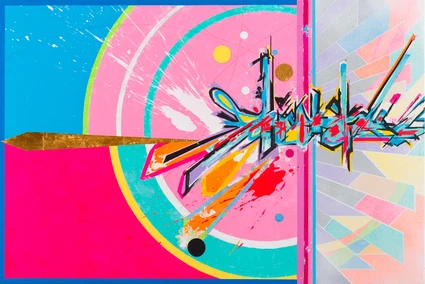
A Beginner’s Guide to Understanding the Techniques Behind Pop Oil Painting
Exploring the world of modern art can be an exciting experience, especially when discovering styles that combine traditional artistic methods with contemporary creativity. Pop art is known for its vibrant colors, recognizable subjects, and expressive compositions. When this distinctive style is created using oil paints, it offers an interesting combination of classic painting techniques and modern visual expression. For beginners, understanding the methods behind these artworks provides a helpful starting point for appreciating their artistic qualities.
Learning about Pop Oil Painting introduces beginners to an approach that transforms familiar images into expressive compositions through color, texture, contrast, and creative interpretation. From selecting suitable pigments to developing effective brushwork, several techniques contribute to the finished appearance. Understanding these fundamentals makes it easier to recognize the skill involved and appreciate how artists bring their ideas to life.
Understanding the Basics of Pop Oil Painting
Pop art developed during the twentieth century as artists began incorporating subjects from popular culture into their work. Advertising, comic books, celebrities, consumer products, and everyday objects became important sources of inspiration.
Oil painting brings a traditional artistic medium into this contemporary visual language. Oil paints are made by combining pigments with drying oils, giving artists considerable control over blending, layering, and texture.
The resulting artwork often features bold colors, simplified shapes, recognizable imagery, and carefully arranged compositions.
Essential Materials Used in Oil Painting
Before exploring different techniques, beginners should understand the basic materials required for working with oil paints.
Oil Paints and Pigments
Oil paints are available in a wide range of colors and consistencies. Beginners can start with a limited selection of primary colors, along with white and black, and gradually expand their palette.
Understanding how different pigments interact is important for creating consistent color combinations.
Brushes and Painting Tools
Different brushes produce different effects. Flat brushes are useful for broad strokes and defined edges, while round brushes help with details and curved shapes.
Palette knives can also be used to mix pigments or apply thicker layers of paint.
Canvas and Painting Surfaces
Canvas is a common surface for oil painting, although prepared wooden panels and other suitable supports can also be used.
A properly prepared surface helps paint adhere effectively and contributes to the durability of the finished artwork.
Palette and Mediums
A palette provides space for mixing and organizing colors. Painting mediums can modify the consistency, flow, or drying characteristics of oil paints.
Beginners should follow the manufacturer’s instructions when using mediums and solvents, particularly when working in enclosed spaces.
Important Techniques Behind Pop Oil Painting
Pop-inspired oil artwork often combines traditional painting methods with graphic visual elements. Several techniques help artists achieve this distinctive appearance.
Color Blocking
Color blocking involves applying clearly separated areas of color rather than relying on gradual transitions.
This technique is particularly useful for creating bold compositions and emphasizing the shapes of recognizable objects. Beginners can practice by dividing a simple subject into distinct color sections.
Layering and Glazing
Layering involves applying additional paint over previously established areas to develop color, depth, and detail.
Glazing is a related technique that uses thin, transparent layers of paint to modify the appearance of underlying colors. It can introduce subtle richness without completely covering the original layers.
Brushwork and Texture
Brushwork influences the overall personality of a painting. Artists may use smooth strokes for clean surfaces or more expressive applications to create movement.
Thicker applications of paint can also introduce raised textures, making selected areas more prominent.
Creating Strong Outlines
Pop art frequently uses defined contours to separate subjects from their backgrounds. Artists may establish these outlines through careful brushwork or contrasting color boundaries.
Strong outlines help simplify complex subjects and create a graphic appearance that is closely associated with the movement.
Mastering Color Theory for Better Results
Color is one of the most important elements of pop-inspired artwork. Beginners should understand basic color relationships before experimenting with more complicated palettes.
Primary and Secondary Colors
Red, yellow, and blue are traditionally taught as primary colors in basic painting education. Combining these colors can produce secondary shades such as orange, green, and purple.
Understanding these relationships helps beginners develop a wider range of color combinations.
Complementary Colors
Complementary colors sit opposite one another on the color wheel. Examples include blue and orange, red and green, and yellow and purple.
When placed together, these colors can create strong visual contrast and make individual elements stand out.
Warm and Cool Colors
Warm colors, including red, orange, and yellow, often create energetic compositions. Cool colors, such as blue, green, and violet, can introduce a calmer atmosphere.
Artists frequently combine both groups to create visual balance and control the mood of a painting.
Developing an Effective Composition
A successful painting requires more than attractive colors. The arrangement of objects and shapes determines how viewers interact with the artwork.
Beginners can develop their composition skills by focusing on a few important principles:
- Focal points: Choose one main subject that attracts the viewer’s attention.
- Balance: Distribute colors, shapes, and visual elements thoughtfully.
- Repetition: Repeat selected patterns or shapes to create visual rhythm.
- Proportion: Adjust the size of different elements to establish hierarchy.
- Negative space: Leave enough open areas to prevent the composition from feeling overcrowded.
Starting with simple arrangements can help beginners understand these principles before attempting more detailed artwork.
Choosing Suitable Subjects for Practice
Pop art often uses familiar subjects, making everyday objects excellent starting points for beginners.
Simple subjects provide opportunities to experiment with shapes, colors, and outlines without requiring advanced drawing skills.
Some useful practice subjects include:
- Fruit and food items with recognizable shapes.
- Coffee cups, bottles, and household objects.
- Simple portraits and facial expressions.
- Fashion accessories and everyday products.
- Comic-inspired illustrations and graphic symbols.
These subjects allow beginners to focus on artistic techniques while developing their own creative approach.
Common Mistakes Beginners Should Avoid
Learning oil painting involves experimentation, and mistakes are a natural part of the process. However, understanding common challenges can make improvement easier.
Using too many colors: An excessive palette can make a composition feel disorganized. Start with a limited selection and introduce additional shades when necessary.
Ignoring paint consistency: Applying thick and thin layers without considering their drying characteristics can create technical problems. Learn basic oil painting principles before experimenting extensively.
Overworking the painting: Repeatedly blending wet colors can result in muddy areas. Sometimes, allowing a section to settle before making further adjustments produces better results.
Neglecting composition: Focusing entirely on color can leave the artwork without a clear focal point. Plan the arrangement before beginning the painting.
Working without proper ventilation: Some oil painting materials release fumes. Use suitable ventilation, follow product safety instructions, and handle solvents carefully.
How Beginners Can Improve Their Painting Skills
Consistent practice is one of the most effective ways to develop confidence with oil paints. Rather than attempting complicated compositions immediately, beginners should build their skills gradually.
A practical learning approach includes:
- Practicing basic shapes and outlines before painting detailed subjects.
- Creating small color studies to understand pigment relationships.
- Experimenting with different brushes and application methods.
- Observing how professional artists use contrast and composition.
- Keeping earlier paintings to evaluate progress over time.
It is also helpful to study artworks from different periods of the pop art movement. Comparing artistic approaches can reveal how individual painters interpret similar subjects in different ways.
Appreciating the Artistic Value of Pop Oil Painting
Understanding the techniques behind pop-inspired artwork makes it easier to appreciate the creative decisions involved in producing each composition.
The combination of traditional oil painting methods and contemporary visual references creates opportunities for experimentation. Bold colors establish the mood, texture adds physical character, and strong outlines help define recognizable subjects.
For beginners, this style also offers an approachable introduction to artistic expression because it encourages experimentation rather than strict adherence to realistic representation.
Conclusion
Pop oil painting brings together traditional craftsmanship and contemporary creativity through expressive colors, distinctive textures, and recognizable imagery. Understanding techniques such as color blocking, layering, glazing, brushwork, and composition provides beginners with a foundation for appreciating this artistic style.
With regular practice and a willingness to experiment, new artists can develop a better understanding of oil painting while discovering their own creative preferences. More importantly, learning these techniques reveals how familiar subjects can become engaging works of art through thoughtful artistic interpretation.


