
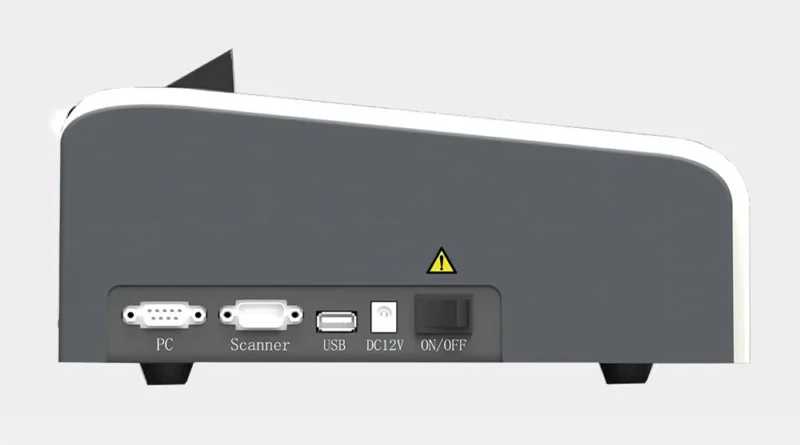
How POCT Analyzers Support Rapid Detection and Monitoring in Veterinary and Clinical Diagnostics
Timely diagnostic information is essential in healthcare because it helps professionals identify potential medical conditions and make informed decisions about patient care. Traditional laboratory testing provides valuable analytical capabilities, but sample transportation and processing can sometimes delay results. Point-of-care testing (POCT) addresses this challenge by bringing selected diagnostic procedures closer to patients, allowing healthcare professionals to obtain useful information within a shorter timeframe.
Modern POCT systems are designed to support testing in hospitals, clinics, veterinary practices, and other healthcare environments. A POCT Analyzer to Detect Vaccine can be part of diagnostic workflows that evaluate selected vaccine-related markers, depending on the test’s intended application. By combining rapid analysis with accessible testing procedures, these technologies help professionals monitor specific health indicators and support more efficient clinical decision-making.
What Is a POCT Analyzer?
A point-of-care testing analyzer is a diagnostic instrument designed to process and evaluate samples near the location where healthcare is delivered. Unlike conventional laboratory equipment, which is usually operated in centralized facilities, POCT analyzers are often compact and developed for convenient use in clinical settings.
Depending on the platform, these systems can analyze blood, serum, plasma, urine, or other approved specimens. They may use different technologies, including immunoassay methods, fluorescence detection, optical analysis, and other specialized diagnostic techniques.
POCT analyzers are used for various applications, such as:
- Infectious disease screening.
- Antigen and antibody detection.
- Blood glucose monitoring.
- Selected biochemical measurements.
- Inflammatory marker testing.
- Veterinary health assessments.
- Evaluation of selected vaccine-related immune responses.
The specific capabilities depend on the analyzer, compatible test kits, and the manufacturer’s validated applications.
How POCT Analyzers Work
Although different analyzers use different technologies, most follow a similar testing process.
1. Sample Collection
The process begins with collecting an appropriate biological specimen. The sample type depends on the diagnostic target and the analyzer’s compatibility requirements.
Correct collection is important because insufficient volume, contamination, or improper handling can affect the final result.
2. Sample Preparation
Some systems require the sample to be mixed with a buffer or processed before analysis. Other analyzers use prepared cartridges or test devices that simplify this stage.
The preparation procedure should follow the manufacturer’s instructions to maintain consistency.
3. Target Detection
The analyzer evaluates the sample using its selected detection technology. In immunoassay-based systems, specific antibodies or antigens interact with target substances to produce a measurable signal.
The instrument detects this signal and processes it according to the test’s analytical design.
4. Result Interpretation
The analyzer converts the detected signal into a readable result. Depending on the testing platform, the output may be qualitative, indicating a positive or negative finding, or quantitative, providing a measured concentration.
Healthcare professionals interpret the result alongside the patient’s symptoms, medical history, and other relevant findings.
Important Applications in Veterinary Diagnostics
Veterinary clinics require diagnostic tools that can provide timely information while accommodating different animal species and sample types. POCT analyzers can support several aspects of veterinary healthcare.
Infectious Disease Screening
Rapid diagnostic systems can help veterinarians investigate selected infectious diseases in cats, dogs, and other animals. Depending on the compatible test, analyzers may detect specific antigens or antibodies associated with pathogens.
This information can support decisions about further testing, isolation precautions, and treatment planning.
Monitoring Immune Responses
Vaccination stimulates the immune system to recognize specific antigens and develop an immune response. Certain diagnostic tests can measure antibodies associated with previous vaccination or exposure.
These measurements may help veterinarians investigate immune status, although antibody detection does not always establish complete or lasting protection against a disease.
Routine Animal Health Assessments
POCT analyzers may also support selected biochemical and other diagnostic measurements during routine veterinary examinations.
Access to timely results can help veterinarians identify abnormalities and determine whether additional laboratory investigations are necessary.
Supporting Animal Shelters
Animal shelters often care for multiple animals with different medical backgrounds. Accessible testing systems can help staff and veterinarians organize screening procedures and identify animals that may require further evaluation.
Applications in Human Clinical Diagnostics
POCT technology is also widely used in human healthcare, particularly when rapid diagnostic information is useful for clinical assessment.
Infectious Disease Testing
Some POCT systems support the detection of specific viral or bacterial antigens and antibodies. These tests can help clinicians assess possible infections and determine whether additional investigations are appropriate.
Metabolic Monitoring
Certain analyzers are designed to measure metabolic indicators, such as glucose and selected blood chemistry parameters. These measurements can support routine monitoring and clinical management.
Inflammatory Marker Assessment
Some point-of-care platforms measure inflammatory biomarkers that may provide additional information about a patient’s condition. Results must be interpreted according to the marker’s clinical purpose and relevant guidelines.
Emergency and Urgent Care
In emergency environments, reducing the time between sample collection and result availability can support faster clinical assessment. POCT analyzers may provide useful information while other investigations are being arranged.
How POCT Analyzers Support Vaccine-Related Testing
Vaccines are designed to stimulate immune responses against specific pathogens. Evaluating selected immune markers can help healthcare and veterinary professionals understand how an individual or animal has responded to vaccination.
Antibody Detection
Certain tests measure antibodies produced after vaccination. These results can provide evidence that the immune system has recognized a vaccine-related antigen.
However, antibody levels are only one part of immunity. The presence of antibodies does not automatically guarantee protection, and some vaccines rely on immune mechanisms that are not fully represented by antibody measurements.
Monitoring Changes Over Time
Repeated testing may help researchers or clinicians investigate how antibody levels change following vaccination.
Such monitoring can be useful in research settings and selected clinical applications when the test has been validated for that purpose.
Supporting Veterinary Vaccination Programs
Veterinarians may use appropriate antibody tests to investigate immune responses in certain animals. The results can contribute to broader assessments of vaccination history and disease risk.
Vaccination decisions should still follow veterinary recommendations, product guidance, and applicable health guidelines rather than relying on a single antibody measurement.
Key Benefits of Using POCT Analyzers
Point-of-care analyzers offer several practical advantages when their capabilities match the diagnostic requirements.
Faster Access to Results
Because testing can take place near the patient, POCT systems may reduce delays associated with transporting samples to centralized laboratories.
This can help healthcare professionals review selected diagnostic information during the same appointment.
Convenient Testing Procedures
Many systems use compact instruments and prepared test cartridges or kits. These designs can simplify testing workflows and reduce the need for complex laboratory infrastructure.
Support for Clinical Decisions
Timely results can provide additional evidence when professionals evaluate symptoms, monitor health indicators, or decide whether further testing is needed.
Flexible Use Across Healthcare Environments
Depending on the model, POCT analyzers may be suitable for hospitals, clinics, veterinary practices, diagnostic centers, and other authorized settings.
Improved Workflow Efficiency
When appropriately integrated into clinical procedures, point-of-care testing can reduce some sample-handling and transportation steps.
Important Features to Consider When Selecting a POCT Analyzer
Choosing an analyzer requires careful evaluation of its technical capabilities and intended applications.
| Selection Factor | Why It Matters |
|---|---|
| Testing capabilities | Determines which diseases or biomarkers can be evaluated |
| Analytical accuracy | Influences the reliability of reported findings |
| Sample compatibility | Confirms which specimen types can be processed |
| Testing time | Affects how quickly results become available |
| Ease of operation | Helps reduce procedural errors |
| Data management | Supports result recording and reporting |
| Maintenance requirements | Influences long-term operating reliability |
| Quality documentation | Provides evidence of performance and appropriate use |
Analytical Performance
Review the manufacturer’s performance data, including sensitivity, specificity, precision, and known limitations. These characteristics should match the intended clinical application.
Compatible Test Kits
An analyzer may only work with specific cartridges or reagent systems. Confirm that the required tests are available and validated for the instrument.
User Interface
A clear display, understandable instructions, and straightforward operation can make daily testing more efficient.
Maintenance and Technical Support
Consider calibration requirements, software updates, cleaning procedures, and access to technical assistance.
Factors That Influence POCT Test Reliability
The performance of a POCT analyzer depends on more than the instrument itself. Several factors can influence the final result.
Sample quality: Incorrect collection, contamination, or insufficient volume can affect test performance.
Storage conditions: Reagents and test cartridges must be stored within the manufacturer’s recommended temperature and humidity ranges.
Operator training: Users should understand sample preparation, instrument operation, and result interpretation.
Calibration and quality control: Appropriate quality-control procedures help verify that the analyzer is functioning correctly.
Environmental conditions: Temperature, humidity, and other environmental factors may influence certain testing methods.
Clinical interpretation: Results should be considered alongside symptoms, medical history, and other diagnostic evidence.
Following standardized procedures helps reduce avoidable errors and supports consistent testing.
POCT Analyzers Compared With Central Laboratory Testing
Both point-of-care and centralized laboratory systems have important roles in healthcare. Their suitability depends on the complexity of the test and the level of analytical performance required.
| Feature | POCT Analyzer | Central Laboratory |
|---|---|---|
| Testing location | Near the patient | Dedicated laboratory |
| Result availability | Often faster for selected tests | May require additional processing time |
| Equipment | Frequently compact and specialized | Often larger and more complex |
| Test range | Depends on the analyzer | Generally supports a broader range of tests |
| Sample transportation | May be reduced | Often required |
| Professional oversight | Depends on the testing environment | Usually provided by laboratory professionals |
POCT analyzers do not replace centralized laboratories. Complex diagnoses, confirmatory investigations, and specialized testing may still require advanced laboratory equipment and professional analysis.
Best Practices for Operating POCT Analyzers
Consistent operating procedures are important for maintaining diagnostic quality.
- Read the analyzer and test kit instructions before use.
- Confirm that the instrument and reagents are within their specified operating conditions.
- Collect the correct sample using an approved procedure.
- Check cartridge or reagent expiration dates.
- Perform required quality-control checks.
- Follow the recommended sample preparation and testing sequence.
- Review instrument messages and result indicators carefully.
- Record results accurately and maintain appropriate testing documentation.
- Clean and maintain the instrument according to manufacturer guidance.
These practices help support dependable results and reduce the likelihood of avoidable testing errors.
The Future of Point-of-Care Diagnostic Technology
POCT technology continues to develop through advances in biosensors, immunoassays, miniaturized instruments, and automated result analysis.
Future systems may offer improved detection capabilities, broader testing options, and better connectivity with electronic health records and laboratory information systems. Digital data management may also help healthcare providers monitor results and identify changes over time.
In veterinary medicine, more accessible diagnostic platforms could support routine health screening and selected disease-monitoring programs. In human healthcare, portable systems may contribute to more flexible testing services in clinics and other approved care environments.
Continued development will depend on clinical validation, manufacturing quality, regulatory oversight, and appropriate user training.
Conclusion
POCT analyzers support rapid detection and monitoring by bringing selected diagnostic procedures closer to patients and veterinary subjects. Their applications include infectious disease screening, biochemical testing, and the evaluation of certain vaccine-related immune markers.
Their value depends on selecting an analyzer that matches the intended application and using compatible, validated test kits. Proper sample handling, quality control, operator training, and careful interpretation remain essential for reliable results. When integrated appropriately with broader diagnostic services, POCT analyzers can improve testing convenience and support more efficient healthcare decisions.


