How to Maintain Asphalt Storage Tanks for Safe Heating and Long-Term Bitumen Storage
Asphalt storage tanks play an important role in road construction, pavement maintenance, and industrial bitumen processing. They provide a controlled environment for storing bituminous materials while maintaining temperatures suitable for later use. Because asphalt is often stored under heated conditions, proper maintenance is essential for preventing equipment damage, reducing operational risks, and preserving material quality. Regular inspections and servicing also help construction businesses avoid unexpected downtime.
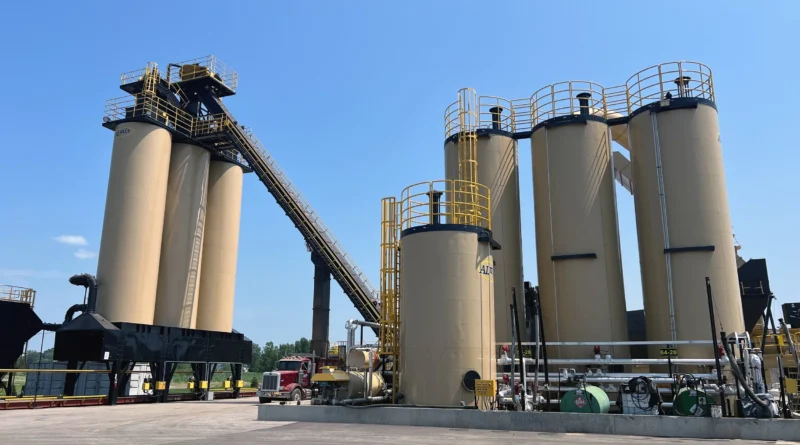
A properly maintained Asphalt Storage Tank can support reliable heating performance and consistent bitumen storage over an extended service life. However, its condition depends on several factors, including insulation quality, heating system performance, tank structure, and operating practices. Establishing a practical maintenance routine helps operators identify potential problems early and maintain safer working conditions.
Why Regular Asphalt Storage Tank Maintenance Matters
Asphalt and bitumen require suitable storage conditions to maintain their intended properties. Temperature fluctuations, moisture contamination, and prolonged exposure to excessive heat can create problems during storage and subsequent material handling.
Routine maintenance provides several important benefits:
- Improved safety: Identifying leaks, damaged components, and heating system faults helps reduce workplace hazards.
- Consistent temperature control: Servicing heating components supports stable storage conditions.
- Better material quality: Proper temperature management helps limit unnecessary thermal degradation.
- Reduced downtime: Early detection of mechanical problems can prevent unexpected equipment failures.
- Longer equipment life: Maintaining the tank structure and associated systems helps reduce premature wear.
- More efficient operation: Effective insulation and properly functioning heating equipment can reduce avoidable energy losses.
Essential Components to Inspect Regularly
A storage tank consists of several interconnected components. Each requires attention to ensure that the complete system operates as intended.
1. Tank Body and Structural Integrity
The tank body must withstand the weight of stored bitumen, operating temperatures, and environmental conditions. Inspect the external surface for corrosion, deformation, cracks, or other signs of deterioration.
Welded joints, support structures, access covers, and connection points should also be examined according to the manufacturer’s inspection schedule. Any suspected structural defect should be assessed by qualified personnel before the tank continues operating.
2. Heating System
Heating systems maintain bitumen at a suitable temperature for storage and transfer. Depending on the design, a tank may use thermal oil, electric heating elements, or another approved heating arrangement.
Operators should inspect burners, heating elements, circulation components, fuel connections, and electrical systems. Uneven heating, unusual noises, or unexpected temperature changes may indicate a developing fault.
3. Temperature Monitoring Equipment
Temperature sensors, gauges, and control panels help operators monitor storage conditions. Inaccurate readings can result in unsuitable heating practices.
Check monitoring devices regularly and arrange calibration when required. Automatic temperature controls and protective shutdown systems should also be tested according to the manufacturer’s instructions.
4. Insulation and External Cladding
Insulation reduces heat loss and helps maintain a more stable internal temperature. Damaged insulation can increase energy consumption and create uneven heating conditions.
Inspect the external cladding for loose sections, water penetration, damaged panels, and visible deterioration. Repairs should use materials suitable for the tank’s operating temperature and environment.
5. Valves, Pipes, and Connections
Bitumen transfer systems include pipes, valves, pumps, and other connections that may experience wear or blockage.
Inspect these components for leaks, damaged seals, loose fittings, and accumulated material. Confirm that valves operate correctly and that transfer lines remain compatible with the intended operating temperatures.
Best Practices for Maintaining Asphalt Storage Tanks
A structured maintenance program makes it easier to monitor equipment condition and address problems before they affect operations.
Establish a Routine Inspection Schedule
Inspections should take place at intervals appropriate to the equipment design, operating frequency, and site conditions. Daily checks can focus on visible leaks, temperature readings, unusual sounds, and general operating conditions.
More detailed inspections should cover structural components, heating systems, insulation, electrical connections, and safety devices.
Maintain Appropriate Storage Temperatures
Bitumen should be stored within the temperature range specified for the particular product. Excessive heating over extended periods can accelerate aging and affect material performance.
Operators should avoid unnecessary temperature increases and follow supplier recommendations for heating, holding, and reheating. Temperature records can help identify irregularities and improve process control.
Prevent Moisture and Contamination
Water entering a heated bitumen system can create dangerous splashing and other operational hazards. Moisture and foreign materials can also interfere with product quality.
Keep tank openings, covers, and connections properly secured. Inspect incoming materials and transfer arrangements to reduce the possibility of contamination.
Clean the Tank When Necessary
Accumulated residue, sediment, and degraded material may affect storage capacity or interfere with heating and discharge operations.
Cleaning should be performed according to the equipment manufacturer’s procedures. The tank must be isolated, emptied, cooled, and prepared under an approved safety plan before internal maintenance begins. Entry into confined spaces requires appropriate authorization, atmospheric testing, and protective measures.
Maintain Accurate Operating Records
Maintenance records provide useful information about equipment performance over time. Document inspection dates, temperature readings, repairs, component replacements, and unusual operating events.
These records help maintenance teams recognize recurring issues and plan preventive servicing more effectively.
Common Problems and How to Address Them
Recognizing early warning signs can help operators respond before minor issues become serious equipment problems.
| Common problem | Possible cause | Recommended response |
|---|---|---|
| Slow heating | Faulty heating components or damaged insulation | Inspect the heating system and insulation |
| Uneven temperature | Poor heat circulation or sensor problems | Check circulation equipment and temperature controls |
| Increased energy consumption | Heat loss or inefficient heating operation | Examine insulation and review operating settings |
| Bitumen leakage | Damaged seals, valves, or connections | Isolate the affected section and arrange repairs |
| Blocked discharge lines | Material cooling or residue buildup | Follow approved procedures for clearing and servicing |
| Corrosion | Moisture exposure or protective coating damage | Assess the affected area and arrange suitable repairs |
These symptoms can have multiple causes, so qualified technicians should investigate persistent or serious faults rather than relying on assumptions.
Heating Safety Measures for Storage Tank Operations
Working with heated asphalt and bitumen requires careful attention to personnel safety and equipment protection. High temperatures, combustible fuels, pressurized systems, and potentially hazardous fumes make proper procedures essential.
Important safety measures include:
- Train operators in equipment-specific procedures and emergency responses.
- Use suitable heat-resistant gloves, protective clothing, footwear, and eye protection.
- Maintain adequate ventilation around heating equipment.
- Keep combustible materials away from burners and other heat sources.
- Inspect fuel lines, electrical connections, and heating components regularly.
- Ensure that emergency shutdown systems remain accessible and functional.
- Never introduce water into hot bitumen or heated storage systems.
- Follow lockout and isolation procedures before maintenance work.
- Use approved confined-space procedures for any internal tank inspection or cleaning.
Site managers should also ensure that fire protection equipment and emergency response arrangements are appropriate for the installation.
Seasonal Maintenance Considerations
Weather conditions can influence storage tank performance, especially when equipment operates outdoors.
During Hot Weather
High ambient temperatures may affect external equipment surfaces and operating conditions. Check temperature monitoring systems, ventilation arrangements, and protective components. Operators should continue following product-specific storage limits rather than assuming that warmer weather removes the need for controlled heating.
During Cold Weather
Low temperatures can increase bitumen viscosity and make pumping or transfer more difficult. Inspect insulation, heating circuits, and circulation equipment before colder operating periods.
Allow sufficient time for controlled heating before transfer operations. Avoid sudden temperature changes that may place unnecessary stress on equipment or affect material quality.
Choosing Reliable Equipment for Long-Term Storage
Maintenance begins with selecting a tank that matches the intended application. Buyers should evaluate storage capacity, heating technology, insulation, construction materials, temperature controls, and discharge arrangements.
Other important considerations include:
- Material compatibility: Confirm that the tank is suitable for the type of bitumen being stored.
- Heating capacity: Ensure the system can maintain the required operating conditions.
- Insulation performance: Review the design’s ability to reduce heat loss.
- Safety features: Check for suitable alarms, protective controls, and emergency shutdown provisions.
- Maintenance accessibility: Consider whether key components can be inspected and serviced conveniently.
- Manufacturer support: Review warranty coverage, technical assistance, and spare-part availability.
A well-matched storage system can make routine maintenance more manageable and support dependable operation.
Conclusion
Maintaining asphalt storage tanks requires consistent attention to structural condition, heating performance, temperature controls, insulation, and material transfer components. Regular inspections, appropriate storage temperatures, moisture prevention, and timely repairs help protect both stored bitumen and equipment reliability.
By following manufacturer recommendations and implementing a documented preventive maintenance program, construction businesses can improve operational safety, reduce avoidable downtime, and extend equipment service life. Proper training and careful heating practices are equally important for maintaining safe and efficient bitumen storage.