Custom Latin Dance Shoes for Men: Choosing the Right Fit and Finish
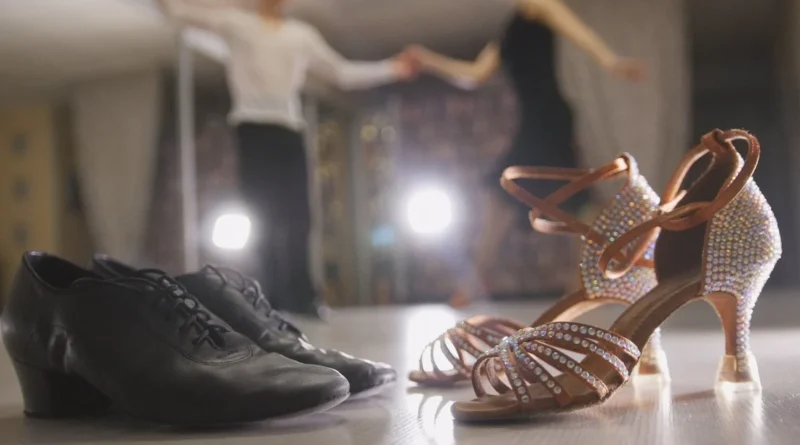
Men’s Latin dance footwear plays an important role in comfort, balance, and movement quality. Whether dancing salsa, cha-cha, rumba, samba, or jive, men need shoes that support quick footwork, controlled turns, and precise weight transfers. The right pair should also complement a dancer’s personal style and remain comfortable throughout practice sessions and performances.
When exploring Custom Latin Dance Shoes, men can consider details such as shoe width, heel height, sole material, and upper finish to find a design that suits their needs. Personalized options may help address specific fitting preferences while offering greater control over appearance. By understanding these features before ordering, dancers can make a more informed decision and choose footwear that supports both technique and presentation.
Why Fit Matters in Men’s Latin Dance Shoes
A secure fit is essential when performing fast steps, pivots, and directional changes. Shoes that are too loose may allow the foot to slide inside, reducing control and causing friction. Shoes that are too tight can create pressure around the toes and forefoot, particularly during extended rehearsals.
Men should measure both feet and compare the results with the manufacturer’s sizing guide. Foot length is important, but width, arch shape, and instep height also affect comfort. If one foot is slightly larger than the other, fitting decisions should account for that difference.
The shoe should hold the heel securely while allowing the toes to move naturally. A snug fit is desirable, but painful compression is not. Since different brands and designs fit differently, avoid choosing a size based only on your everyday footwear.
Choosing the Right Shoe Shape
The overall shape of a Latin dance shoe influences how it fits around the foot and how it feels during movement. Some men prefer a narrower profile for a streamlined appearance, while others need a wider design to accommodate their forefoot comfortably.
A well-shaped shoe should follow the natural contours of the foot without creating pressure points. Pay attention to the toe box, sides of the forefoot, and area around the instep. These locations can become uncomfortable when the shoe’s shape does not match your foot.
If standard footwear consistently feels too narrow or allows excessive movement, ask the manufacturer whether alternative widths or customized fitting options are available. Accurate measurements and clear communication can help reduce the likelihood of ordering an unsuitable pair.
Selecting an Appropriate Heel Height
Men’s Latin dance shoes often feature a raised heel designed for the demands of Latin movement. The ideal height depends on experience, technique, comfort, and the style of dancing.
Lower or Moderate Heels
A lower or moderate heel may appeal to dancers who prioritize a familiar feel and manageable balance. Beginners may find it easier to concentrate on timing and foot placement when using a heel height that feels comfortable and predictable.
However, comfort also depends on the shoe’s overall construction, heel position, and fit.
Higher Latin Heels
Some experienced dancers prefer a higher heel because they are accustomed to the resulting foot position and movement characteristics. Heel height can influence weight distribution, posture, and the way pressure is transferred through the forefoot.
Before choosing a higher design, consider whether you can maintain balance and execute turns comfortably. If you are changing heel heights, introduce the new shoes gradually during practice rather than wearing them for an entire competition routine immediately.
Choosing the Right Sole Material
The sole affects traction, rotation, and the level of floor feedback a dancer experiences. For men who regularly practice Latin styles indoors, sole selection should reflect the surfaces on which they dance most often.
Suede soles are common in specialist Latin footwear because they can provide a useful balance between grip and controlled pivoting on suitable indoor floors. They also allow the foot to remain relatively close to the surface, which many dancers appreciate.
Other sole materials may be available depending on the shoe’s intended use. Before purchasing, ask the manufacturer about the material’s traction, maintenance requirements, and suitability for your regular dance environment.
Avoid assuming that a durable walking-shoe sole will work equally well for Latin dancing. Excessive grip can interfere with pivots, while insufficient traction may make movement unpredictable.
Finding a Finish That Matches Your Style
The finish of a men’s Latin dance shoe can range from understated and traditional to modern and eye-catching. Your choice should complement your dancewear while meeting the practical requirements of regular use.
Classic Black Leather
Black leather is a versatile option that works with many practice outfits and competition costumes. Depending on the construction, leather can offer a structured feel and a polished appearance.
This finish suits dancers who prefer a traditional look that can be used across different events. Regular cleaning and appropriate care can help maintain its appearance.
Matte Finishes
Matte materials provide a more understated look than highly polished surfaces. They may appeal to dancers who prefer subtle styling or want footwear that coordinates easily with different outfits.
Check the material’s cleaning requirements before choosing a matte finish, as some surfaces can show marks or discoloration differently from polished leather.
Patent and Glossy Finishes
Glossy finishes can create a striking appearance under competition lighting. They may be particularly suitable for formal performances where a polished overall presentation is important.
However, highly reflective materials can show scratches and scuffs more readily. Consider how frequently you will use the shoes and whether you are prepared to maintain the finish carefully.
Upper Materials and Construction
The upper material affects flexibility, breathability, appearance, and durability. Men’s Latin shoes may use leather, synthetic materials, or combinations of different fabrics, depending on the design.
Leather can offer a classic appearance and may adapt to the foot over time, although the degree of flexibility varies. Synthetic materials can provide additional finish and color options, while some fabric components may improve flexibility or alter the shoe’s feel.
Look beyond the material name when evaluating quality. Stitching, fastening systems, sole attachment, and heel construction also influence how the shoe performs during repeated movement.
Ask about material care and the manufacturer’s recommendations before ordering. A finish that looks attractive initially should also be practical for your training schedule and performance needs.
Flexibility and Support for Latin Footwork
Latin dance involves a combination of pointed feet, controlled weight transfers, quick steps, and changes in direction. Men’s shoes should allow natural movement without feeling excessively soft or unstable.
A flexible forefoot can help accommodate foot articulation, while suitable structure through the rest of the shoe can contribute to a secure feel. The right balance depends on your technique and personal preferences.
When trying on shoes, perform basic steps, shift your weight forward and backward, and test controlled turns on an appropriate floor. Notice whether the shoe moves naturally with your foot and whether the heel remains secure.
Do not assume that the most flexible shoe is automatically the best. Comfort, fit, and stability should be assessed together.
Customization Options for Men’s Dance Shoes
Personalized designs can be useful when standard models do not meet a dancer’s fitting or styling preferences. Depending on the manufacturer, available options may include different materials, finishes, heel choices, colors, or fitting adjustments.
Before placing an order, identify the features that matter most. If your primary concern is forefoot pressure, focus on sizing and shape before selecting decorative details. If appearance is the main priority, consider how the finish will coordinate with your competition wardrobe.
Ask which elements can be customized and what measurements are required. Confirm the expected production time, total cost, and policies for fitting issues or manufacturing defects.
Customization should improve the match between the shoe and the dancer, not introduce unnecessary complexity. Prioritize practical requirements before making final design decisions.
Matching Shoes to Your Dance Style
Although many men’s Latin shoes are designed for multiple styles, the movements you perform most frequently can influence your preferences.
- Salsa: Secure fit and predictable pivoting can help accommodate rapid turns and directional changes.
- Cha-cha: A comfortable forefoot and responsive construction can support crisp steps and precise weight transfers.
- Rumba: Controlled movement and comfortable foot articulation are valuable for deliberate steps.
- Samba: Secure construction and suitable flexibility can help during energetic rhythmic movements.
- Jive: A stable fit and freedom of movement are important for quick footwork and repeated transitions.
If you dance several styles, look for a versatile design that suits your most common movements. Your instructor may also be able to advise you on the heel profile and sole characteristics that suit your technique.
Durability and Maintenance
Men who train regularly should consider how well their shoes are constructed and how easily they can be maintained. Frequent dancing places repeated stress on soles, stitching, straps, and heel attachments.
After practice, wipe the uppers with a suitable soft cloth and allow the shoes to air-dry naturally. Keep indoor dance soles away from rough outdoor surfaces, and use appropriate maintenance tools for suede when necessary.
Inspect the heels, stitching, and sole attachment regularly. If the shoe begins to feel unstable or its sole no longer provides predictable traction, have it assessed before using it for demanding routines.
When comparing options, ask whether repairs or sole replacement are available. Good maintenance can extend the useful life of footwear, although durability ultimately depends on materials, construction, and usage.
Common Mistakes to Avoid When Buying Men’s Latin Shoes
Choosing dance shoes based solely on appearance or everyday shoe size can lead to discomfort and unnecessary expense. Keep these common mistakes in mind:
- Ignoring foot width: A shoe may have the correct length but still create pressure around the forefoot.
- Choosing an unfamiliar heel: A different heel height can affect balance and movement.
- Overlooking sole compatibility: The sole should suit the dance floor and the movements you perform.
- Prioritizing finish over function: Attractive materials cannot compensate for poor fit or unstable construction.
- Ordering too late: Personalized footwear may require additional production time and fitting adjustments.
- Skipping practice sessions in new shoes: Testing footwear gradually helps identify problems before a performance.
Careful preparation can make the purchasing process more straightforward and help you avoid preventable fitting issues.
Final Thoughts
Choosing men’s Latin dance shoes involves balancing fit, heel height, sole performance, material quality, and personal style. Each feature contributes to the overall experience, whether you are practicing basic steps, refining advanced choreography, or preparing for a ballroom competition.
Start by identifying your fitting requirements and the dance styles you perform most often. Then compare available heel profiles, finishes, and customization options according to your comfort and performance goals.
The best pair should feel secure without painful pressure, allow controlled movement, and complement your preferred appearance. With accurate measurements, thoughtful selection, and regular maintenance, well-chosen Latin dance shoes can become a dependable part of your dance wardrobe.