
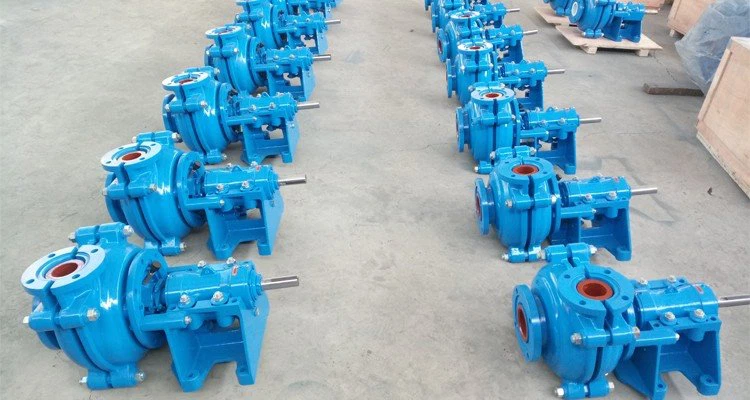
Materials Commonly Used in Slurry Pump Manufacturing
Slurry pumps are designed to handle mixtures containing solid particles, minerals, sand, and other abrasive materials. Because these fluids can cause significant wear and corrosion, the materials used to manufacture pump components have a direct impact on durability, efficiency, and service life.
Material selection is one of the key areas where a qualified Slurry Pump Manufacturer can make a difference. Different slurry conditions require different combinations of hardness, toughness, corrosion resistance, and wear resistance. Understanding the commonly used materials can help businesses make more informed equipment decisions.
Why Material Selection Matters
Unlike pumps designed for clean liquids, slurry pumps must withstand continuous contact with solid particles. The size, concentration, hardness, and shape of these particles can all influence component wear.
Selecting an unsuitable material may result in premature damage, frequent maintenance, reduced pumping efficiency, and increased operating costs. Proper material selection should therefore be based on the specific characteristics of the slurry and the expected operating conditions.
High-Chrome Alloys
High-chrome alloys are widely used in slurry pump components because of their strong resistance to abrasive wear. They are particularly suitable for applications involving hard and coarse particles.
These alloys are commonly used for components such as impellers, liners, and casing sections. Their hardness allows them to withstand repeated contact with abrasive solids while maintaining structural integrity under demanding conditions.
High-chrome materials can be especially useful in mining and mineral-processing applications where severe abrasion is expected.
Natural and Synthetic Rubber
Rubber is another commonly used material in slurry pump construction. It offers good resistance to abrasion when handling certain types of fine or relatively soft solid particles.
Rubber-lined components can also provide benefits in applications where corrosion resistance is important. Their flexibility can help absorb the impact of smaller particles and reduce damage under suitable operating conditions.
However, rubber is not appropriate for every slurry. Large or sharp particles and certain high-temperature applications may require alternative materials.
Stainless Steel
Stainless steel may be selected when corrosion resistance is a major concern. Its resistance to oxidation and various corrosive environments makes it useful for specific slurry applications.
Different grades provide different combinations of strength, corrosion resistance, and temperature capability. The appropriate grade should be selected according to the chemical composition and operating conditions of the slurry.
Stainless steel may also be used for shafts, fasteners, and other components where corrosion protection is important.
Carbon Steel
Carbon steel is commonly used for structural and non-wear components because of its strength, availability, and relatively economical cost. It can provide a strong foundation for pump assemblies when exposed surfaces are appropriately protected or when the operating environment is suitable.
However, carbon steel generally does not provide the same level of abrasion or corrosion resistance as specialized materials. Its use should therefore be based on the specific component and application.
Ceramic Materials
Ceramic materials can provide excellent resistance to abrasion and corrosion in certain specialized applications. Their hardness makes them capable of resisting aggressive wear from fine abrasive particles.
However, ceramics can be more brittle than metallic materials. They may therefore be selected only when the operating conditions are appropriate and the advantages of high wear resistance outweigh the limitations associated with brittleness.
Material Selection for Different Components
Not every part of a slurry pump needs to be manufactured from the same material. Different components experience different forms of stress and wear.
Impellers
Impellers are directly exposed to the moving slurry and can experience substantial abrasion. High-chrome alloys, rubber, and other specialized materials may be selected depending on particle characteristics and operating conditions.
Pump Liners
Liners protect the main casing from abrasive slurry. They may be manufactured from wear-resistant alloys or rubber, depending on the application.
Replaceable liners can also simplify maintenance by allowing worn surfaces to be changed without replacing the entire casing.
Shafts
Pump shafts need sufficient strength and rigidity to transfer rotational power while maintaining proper alignment. Stainless steel and other strong metallic materials may be used depending on the design and operating environment.
Casings
Pump casings must withstand hydraulic pressure while resisting the effects of the pumped slurry. Material selection depends on the pressure, abrasion, corrosion, and mechanical stresses expected during operation.
Factors That Influence Material Selection
Choosing the right material requires consideration of several operating variables.
Important factors include:
- Particle size and hardness
- Solids concentration
- Slurry velocity
- Chemical composition
- Operating temperature
- Required pump pressure
- Expected operating hours
- Frequency of maintenance
- Impact and abrasion levels
A material that performs well in one slurry application may not provide the same results in another. This is why material selection should be based on actual operating conditions rather than general assumptions.
Balancing Wear Resistance and Cost
The most wear-resistant material is not always the most economical choice. High-performance materials may have higher initial costs, while less expensive options may require more frequent replacement.
The better approach is to consider total operating costs. A material that lasts longer and reduces maintenance downtime may provide better value over the pump’s service life, even if its initial cost is higher.
The Importance of Proper Manufacturing
Material quality is only one part of pump reliability. Manufacturing processes also influence how effectively a material performs in service.
Casting quality, heat treatment, machining accuracy, component inspection, and assembly standards can all affect the durability of slurry pump components. Consistent production practices help ensure that selected materials achieve their intended mechanical and wear-resistance properties.
Final Thoughts
Slurry pump materials must be selected according to the demands of the application. High-chrome alloys, rubber, stainless steel, carbon steel, ceramics, and other specialized materials each offer different advantages and limitations.
Understanding slurry characteristics and matching them with suitable materials can improve pump durability, reduce maintenance requirements, and support reliable operation. Working with an experienced manufacturer that understands material properties and application-specific requirements can also help ensure that each pump component is designed for its intended environment.