
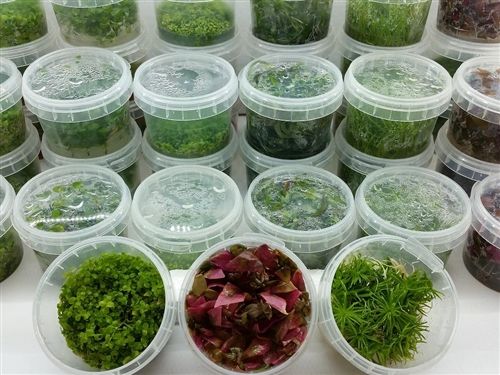
Global Market Trends in Wholesale Tissue Culture Plants Industry
The global horticulture sector is undergoing a major transformation driven by technological advancements, sustainability goals, and the rising demand for high-quality planting materials. Among the most impactful innovations, tissue culture propagation has emerged as a key driver of large-scale plant production. It enables consistent, disease-free, and high-yield plant output, making it highly attractive for commercial agriculture and export-oriented farming systems.
As international demand for reliable planting material increases, suppliers offering Wholesale Tissue Culture Plants are playing an increasingly important role in meeting the needs of growers, nurseries, and plantation enterprises. The industry is expanding rapidly as more countries invest in modern agricultural practices, greenhouse cultivation, and large-scale reforestation programs supported by tissue culture technology.
Rising Global Demand for Uniform Planting Material
One of the strongest market trends is the growing demand for uniform and high-quality plants. Commercial farmers and agribusiness companies require consistent crops to ensure predictable yield and simplified farm management.
Tissue culture plants offer several advantages that align with this demand:
- Genetic uniformity across large plantations
- Faster growth cycles compared to traditional seedlings
- Reduced crop failure risk due to disease resistance
- Improved post-harvest quality and consistency
As global food demand increases, especially in developing economies, the need for scalable plant production systems continues to rise.
Expansion of Export-Oriented Horticulture
Many countries are expanding their horticulture exports, particularly in fruits, flowers, and ornamental plants. Tissue culture technology has become a backbone of this growth because it ensures phytosanitary compliance and international quality standards.
Exporters prefer tissue culture-derived plants because they:
- Meet strict quarantine and certification requirements
- Reduce the risk of transporting pests or diseases
- Maintain uniformity required by international buyers
- Improve survival rates during long-distance transportation
Regions such as Asia-Pacific, Latin America, and parts of Africa are witnessing rapid growth in tissue culture-based plantations for export markets.
Technological Advancements in Micropropagation
Another key trend shaping the industry is continuous innovation in laboratory techniques. Advances in plant biotechnology have made tissue culture more efficient, scalable, and cost-effective than before.
Some notable developments include:
- Automation in culture handling and monitoring
- Improved nutrient media formulations for faster growth
- Use of bioreactors for mass propagation
- Enhanced acclimatization systems for higher survival rates
These improvements are helping reduce production costs and making tissue culture plants more accessible to mid-sized growers and commercial farms.
Increasing Adoption in Commercial Farming
Large-scale farming operations are increasingly adopting tissue culture plants to improve productivity and reduce operational risks. Crops such as banana, sugarcane, potato, pineapple, and various ornamental plants are widely propagated using this method.
Farmers prefer tissue culture plants because they provide:
- Predictable crop performance across large areas
- Higher yield per hectare
- Reduced dependency on seasonal planting cycles
- Better resistance to environmental stress factors
This shift is particularly strong in regions where agricultural modernization is supported by government initiatives and private investment.
Environmental and Sustainability Drivers
Sustainability is becoming a major factor influencing global agricultural practices. Tissue culture propagation supports environmental goals by enabling efficient land use and reducing agricultural waste.
Key sustainability benefits include:
- Reduced need for chemical pesticides due to disease-free plants
- Conservation of rare and endangered plant species
- Support for large-scale reforestation and ecosystem restoration
- Efficient use of water and nutrients in controlled production systems
As climate change continues to affect traditional farming methods, tissue culture is increasingly viewed as a resilient alternative.
Market Challenges and Industry Constraints
Despite strong growth, the tissue culture industry also faces several challenges. High initial setup costs and technical expertise requirements limit entry for smaller producers. Additionally, maintaining sterile conditions and ensuring proper acclimatization remain critical operational challenges.
Other constraints include:
- High dependency on skilled laboratory technicians
- Sensitivity of plantlets during early growth stages
- Logistics challenges in transporting delicate plant material
- Variability in regulatory standards across countries
However, ongoing technological improvements and increased investment are gradually addressing many of these issues.
Future Outlook of the Industry
The future of the global tissue culture plant industry looks highly promising. With increasing demand for sustainable agriculture, high-yield crops, and climate-resilient farming solutions, the market is expected to expand significantly in the coming years.
Key future trends include:
- Greater automation in plant production systems
- Expansion of commercial tissue culture laboratories
- Increased adoption in developing agricultural economies
- Stronger integration with precision farming technologies
As global agriculture continues to modernize, tissue culture will remain a central pillar of large-scale plant production systems.
Conclusion
The global market for tissue culture plants is evolving rapidly, driven by technological innovation, sustainability needs, and rising demand for high-quality crops. From export agriculture to large-scale commercial farming, tissue culture is reshaping how plants are produced and distributed worldwide.
As the industry continues to grow, businesses that adopt advanced propagation systems will be better positioned to meet global demand and maintain competitive advantage in an increasingly quality-driven agricultural market.


