
No-Sedation Teeth Cleaning for Pets: A Safe and Natural Approach to Oral Care
Introduction
Oral health is one of the most overlooked aspects of pet care, yet it plays a crucial role in a pet’s overall well-being. Just like humans, dogs and cats can suffer from plaque buildup, tartar, gum disease, and bad breath if their teeth are not properly maintained. Traditional dental cleaning methods for pets often involve anesthesia, which can be a concern for pet owners due to potential health risks and recovery time. As a result, many pet owners are now exploring safer, more natural alternatives that focus on comfort and preventive care rather than invasive procedures. This shift in approach has led to the growing popularity of non-invasive dental hygiene solutions designed specifically for pets.
One increasingly preferred method among pet owners is professional cleaning that avoids sedation while still ensuring effective oral care. Services such as No-Sedation Teeth Cleaning are becoming widely recognized for offering a stress-free experience for pets while helping maintain healthier teeth and gums without the need for anesthesia. This approach is especially beneficial for older pets or those with underlying health conditions that make sedation risky.
Understanding No-Sedation Dental Cleaning for Pets
No-sedation dental cleaning is a professional oral care process performed while the pet is fully awake. Instead of using anesthesia, trained specialists gently clean the pet’s teeth using specialized tools and techniques designed to remove plaque and tartar safely. The process focuses on external cleaning above the gum line, which is where most harmful buildup occurs.
Unlike traditional veterinary dental procedures, this method prioritizes comfort and minimizes stress. Pets are not exposed to the risks associated with sedation, such as adverse reactions or prolonged recovery periods. Instead, they remain calm throughout the procedure with gentle handling and reassurance.
This approach is particularly suitable for routine maintenance and preventive care, helping pets maintain healthier mouths between veterinary checkups.
Benefits of No-Sedation Dental Care
One of the main benefits of no-sedation dental cleaning is safety. Since no anesthesia is used, the risks associated with sedation are completely eliminated. This makes it a safer option for senior pets, small breeds, or animals with medical conditions.
Another significant advantage is reduced stress on the pet’s body. Recovery from anesthesia can sometimes take hours or even days, but non-sedation cleaning allows pets to return to normal activities immediately after the procedure.
It is also a more cost-effective option compared to traditional veterinary dental cleanings. Without the need for anesthesia monitoring or surgical facilities, the overall cost is often lower, making it more accessible for regular maintenance.
Additionally, frequent non-invasive cleanings help prevent serious dental issues such as periodontal disease, which can lead to pain, tooth loss, and even systemic health problems if left untreated.
Safety Considerations Compared to Traditional Dental Cleaning
Traditional dental cleaning for pets typically requires anesthesia to allow deep cleaning below the gum line. While effective, it carries certain risks, especially for older pets or those with heart or respiratory conditions.
No-sedation cleaning eliminates these risks entirely by keeping the pet conscious during the procedure. However, it is important to note that this method focuses primarily on visible surfaces of the teeth and may not address deeper dental issues that require veterinary intervention.
For this reason, no-sedation cleaning is best viewed as a preventive care solution rather than a replacement for veterinary dental procedures. Regular checkups with a veterinarian are still essential to ensure comprehensive oral health.
How the Cleaning Process Works
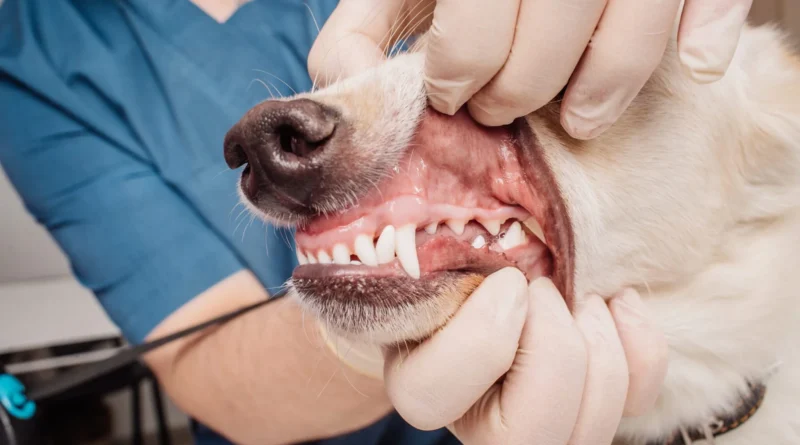
The no-sedation dental cleaning process is designed to be gentle and non-invasive. It typically begins with a visual examination of the pet’s mouth to assess the level of plaque and tartar buildup.
Once the assessment is complete, the specialist uses hand-scaling tools to carefully remove buildup from the surface of the teeth. The process is done slowly and calmly to ensure the pet remains comfortable throughout.
After scaling, the teeth are usually polished to help smooth the enamel surface. This reduces the likelihood of future plaque accumulation and helps maintain a cleaner mouth for a longer period.
Throughout the process, gentle handling techniques are used to keep the pet relaxed and cooperative.
Who Can Benefit from No-Sedation Teeth Cleaning
This type of dental care is suitable for many pets, especially those that may not tolerate anesthesia well. Senior pets are among the primary beneficiaries, as they are often at higher risk for complications during sedated procedures.
Pets with mild to moderate plaque buildup can also benefit significantly from routine non-sedation cleanings. It is also ideal for pet owners who prefer a natural and preventive approach to oral hygiene.
However, pets with severe dental disease, infections below the gum line, or advanced oral conditions may still require veterinary dental treatment under anesthesia.
Aftercare and Maintenance
After a no-sedation dental cleaning session, pets typically do not require any special recovery time. They can resume eating, drinking, and normal activities immediately.
To maintain results, pet owners should establish a consistent oral hygiene routine at home. This may include regular brushing, dental chews, or vet-approved oral care products.
Routine professional cleanings every few months can help prevent buildup and maintain long-term oral health. Regular monitoring of breath, gum condition, and eating habits can also help detect early signs of dental issues.
Conclusion
No-sedation dental cleaning offers a safe, natural, and stress-free alternative to traditional pet dental procedures. By eliminating the risks associated with anesthesia, it provides a gentle yet effective way to maintain oral hygiene in pets of all ages. While it does not replace veterinary dental treatment for serious conditions, it serves as an excellent preventive care solution. With regular maintenance and proper home care, pet owners can ensure their companions enjoy healthier teeth, fresher breath, and improved overall well-being throughout their lives.