
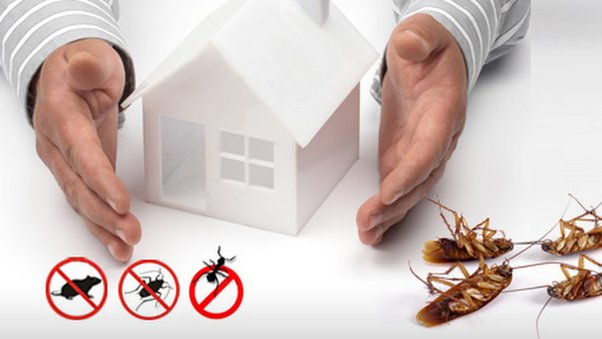
Essential Pest Control Practices for Commercial Kitchens to Maintain Hygiene and Compliance
Commercial kitchens operate in fast-paced environments where food safety, hygiene, and regulatory compliance are top priorities. Whether in restaurants, hotels, catering services, or institutional kitchens, maintaining strict cleanliness standards is essential to protect customers and preserve business reputation. One of the most critical aspects of hygiene management is effective pest control.
Pests such as cockroaches, rodents, flies, and ants can contaminate food, damage ingredients, and spread harmful bacteria. This makes regular monitoring and preventive measures essential. Many businesses look for professional solutions such as pest control for commercial kitchen to ensure their kitchens remain safe, compliant, and free from infestations. A well-structured pest management plan helps prevent health risks and supports long-term operational efficiency.
1. Maintain Strict Cleanliness Standards
Cleanliness is the first line of defense against pests. All kitchen surfaces, floors, and equipment should be cleaned regularly to remove food particles and grease that attract pests.
2. Proper Waste Management
Food waste should be disposed of promptly and stored in sealed bins. Overflowing or uncovered waste is one of the most common causes of pest infestations in commercial kitchens.
3. Regular Inspection of Storage Areas
Storage rooms and pantry areas should be checked frequently for signs of pests. Early detection helps prevent small issues from becoming major infestations.
4. Seal Entry Points and Cracks
Pests often enter kitchens through small gaps, cracks, or openings in walls and doors. Sealing these entry points helps reduce the risk of infestation.
5. Use of Professional Pest Control Services
Engaging professional pest control services ensures that infestations are handled effectively using safe and approved methods suitable for food environments.
6. Proper Food Storage Practices
All food items should be stored in sealed, airtight containers. Keeping ingredients off the floor and properly labeled also helps reduce contamination risks.
7. Regular Deep Cleaning Schedule
In addition to daily cleaning, commercial kitchens should implement weekly or monthly deep cleaning routines to eliminate hidden dirt and grease buildup.
8. Monitoring Pest Activity
Installing pest monitoring traps helps identify early signs of infestation. This allows for quick action before the problem escalates.
9. Staff Training and Awareness
Kitchen staff should be trained to recognize signs of pests and understand proper hygiene practices. Awareness plays a key role in prevention.
10. Compliance with Food Safety Regulations
Commercial kitchens must follow local food safety and hygiene regulations. Regular pest control checks help ensure compliance and avoid penalties.
11. Proper Drain Maintenance
Blocked or dirty drains can attract pests such as flies and cockroaches. Regular maintenance ensures that drainage systems remain clean and functional.
12. Scheduled Pest Control Treatments
Routine pest control treatments should be part of every commercial kitchen’s maintenance plan. Scheduled visits from professionals help maintain long-term protection.
Importance of Pest Control in Commercial Kitchens
Pest control is essential not only for hygiene but also for business reputation and legal compliance. Even a small pest issue can lead to food contamination, customer complaints, and potential closure by health authorities.
In the food industry, maintaining a pest-free environment is critical to ensuring customer safety and trust. A single pest sighting can damage a brand’s reputation and result in financial losses. Therefore, preventive measures are always more effective and cost-efficient than reactive solutions.
Common Pest Risks in Commercial Kitchens
Commercial kitchens provide ideal conditions for pests due to the availability of food, moisture, and shelter. Rodents can damage packaging and spread disease, while cockroaches contaminate food surfaces. Flies and ants can also carry bacteria from one area to another.
Understanding these risks helps businesses take targeted preventive measures and reduce the likelihood of infestations.
Benefits of Professional Pest Management
Professional pest control services offer expert solutions tailored to commercial environments. They use safe, industry-approved methods that minimize disruption to kitchen operations while effectively eliminating pests.
Regular inspections and treatments ensure long-term protection and help businesses maintain compliance with health regulations. This also reduces the risk of emergency infestations that can disrupt operations.
Conclusion
Effective pest control in commercial kitchens is essential for maintaining hygiene, ensuring food safety, and meeting regulatory standards. By following proper cleaning practices, securing food storage, and engaging professional pest management services, businesses can create a safe and compliant working environment.
A proactive approach to pest control not only protects customers but also safeguards the reputation and success of the business in the long run.


