
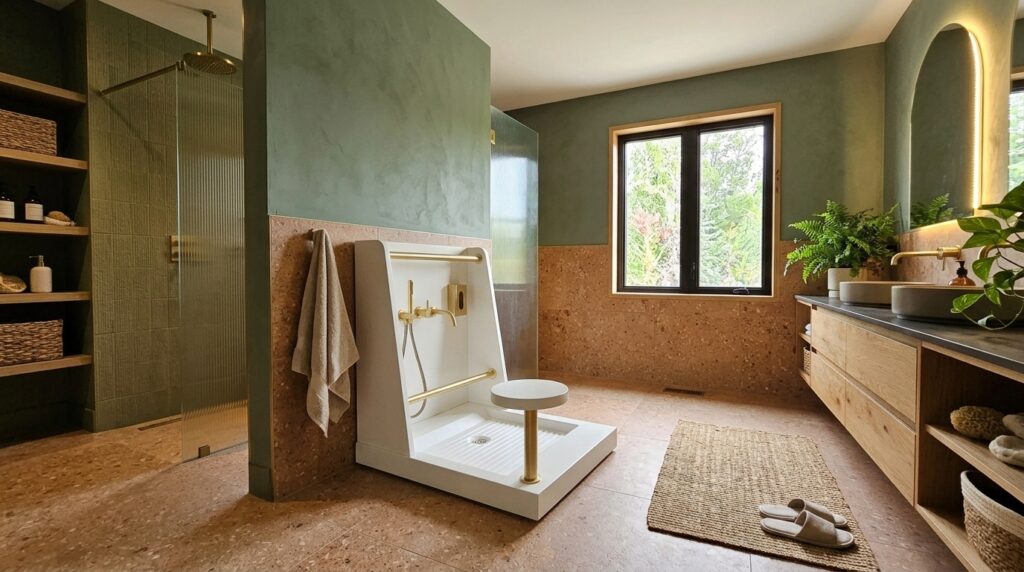
Wudu Basin Designs That Combine Comfort and Modern Bathroom Style
A well-designed bathroom should feel cohesive while making everyday activities straightforward. For Muslim households, that includes providing a suitable place for ablution. A dedicated washing fixture can serve this purpose without making the room look purely functional or disconnected from the rest of the interior. By choosing a basin with appropriate dimensions, a considered finish, and practical fittings, homeowners can bring comfort and contemporary style together.
A Wudu basin is developed to support the washing movements involved in wudu. Depending on the design, it may include a lower washing area, a foot-washing recess, or a bowl that provides additional room for rinsing. Some products are visually understated, while others use more distinctive shapes. The right option should combine a suitable washing arrangement with dimensions and finishes that work in the intended bathroom.
Begin with a Design That Suits the Room
The overall bathroom style provides a useful starting point. A minimalist interior may benefit from a simple basin with clean lines and an uncluttered profile. In a more traditional room, a softer shape or warmer finish may feel more appropriate. The fixture should relate to nearby tiles, cabinetry, mirrors, and tapware rather than being selected in isolation.
Proportion matters as much as appearance. A large basin can become overwhelming in a narrow bathroom, while a very small model may not provide enough room for comfortable washing. Measure the available space and consider the standing area in front of the fixture before making a decision.
Choose a Shape That Supports Comfort
A basin’s shape affects how people approach it and how water moves through the bowl. A broad opening can provide more room for rinsing, while a deeper form may help contain splashes. Curved internal transitions can create a softer appearance and may also make cleaning easier, depending on the product’s construction.
Some designs include a separate lower area for washing the feet. Others use a single basin with a shape intended to accommodate different washing movements. Review the dimensions of these sections carefully. A visually attractive contour is only useful if users can reach the relevant areas without uncomfortable bending or stretching.
Coordinate Materials and Colours
Material selection influences both the style and maintenance of the washing station. Ceramic provides a familiar bathroom appearance and is available in many finishes. Solid-surface products can offer more flexibility in form and may suit interiors that favour smooth, integrated details. Product quality and manufacturer specifications should guide the final choice.
White remains a versatile option because it works with many tile and wall colours. Grey, beige, and other neutral finishes can create a softer effect, while darker tones may add contrast. If the basin has a specialist or textured surface, check its cleaning requirements before purchasing. A finish that is difficult to maintain may lose its appeal with frequent use.
Use Tapware to Create a Consistent Look
Tapware can connect the basin visually with the rest of the bathroom. Matching the tap finish to shower fittings, handles, or accessories creates a coordinated appearance. A contrasting finish can also work when used deliberately.
Function must remain the priority. The spout should direct water into the basin, and the controls should be easy to reach. Check whether the basin has pre-drilled tap holes or requires a wall-mounted fitting. Confirm compatibility before ordering to avoid additional installation work.
Keep the Surrounding Area Practical
A stylish fixture still needs a suitable setting. The floor should be appropriate for wet use, and the wall finishes should be easy to clean. Provide enough standing room and avoid placing decorative objects where they interfere with access.
Good lighting can highlight the basin while helping users see the floor and tap controls. Ventilation also matters because repeated washing introduces moisture into the room. Where possible, plan drainage so that water does not collect around the fixture.
Adapt the Design to Different Spaces
A compact wall-mounted model may work well in an ensuite, while a larger bathroom may accommodate a floor-supported design. A separate prayer room could have an adjoining ablution point, but waterproofing and drainage must be addressed if the room was not originally designed for water use. Shared facilities need durable finishes and enough stations to manage busy periods.
A Balanced Approach to Style and Function
The strongest designs do not force homeowners to choose between appearance and usability. Suitable proportions, accessible fittings, easy-care materials, and effective drainage can all contribute to a comfortable washing area. By planning these elements together, it is possible to create a modern bathroom that supports ablution and maintains a consistent interior style.